The cultural relations between India and Russia have a long history that predates the official establishment of diplomatic ties in 1947. This unique dialogue between civilizations has evolved through mutual exploration, trade, philosophy, literature, cinema, and science.
Historical Origins: From Afanasy Nikitin to the Astrakhan Communities
The first documented evidence of Russia’s interest in India dates back to the 15th century. Tver merchant Afanasy Nikitin, in his travel diary “Walking across Three Seas”, became one of the first Europeans to reach India and describe it from a deeply respectful and research point of view. In the 17th and 18th centuries, trade relations between Russia and India strengthened, which facilitated cultural exchange. An Indian merchant colony was formed in Astrakhan, whose representatives introduced Russians to their philosophy and traditions.
The Age of Enlightenment and spiritual quest (19th – early 20th century)
With the development of Oriental studies in Russia, interest in India evolved into scientific and philosophical understanding. In the late 18th century, Gerasim Lebedev founded the first European theater in India in Calcutta and compiled a Bengali grammar, becoming a pioneer in Russian Indology. The correspondence between Leo Tolstoy and Mahatma Gandhi had a significant impact on world history, and Gandhi’s ideas of nonviolent resistance were influenced by Russian philosophy. Nikolai Roerich, together with his family, made India his second homeland, combining the metaphysics of the East and the West in his philosophical teaching of Living Ethics.
The Soviet Period: The Rise of “Hindi Rasi Bhai Bhai”
The mid-20th century was a time of flourishing cultural exchange between the USSR and India, symbolized by the slogan “Hindi Rasi Bhai Bhai” (Indians and Russians are Brothers). Indian cinema became a national passion for Soviet citizens, and Raj Kapoor’s films filled theaters to the brim. Translations of ancient Indian epics and works by Rabindranath Tagore were published in the Soviet Union, while in India, the Russian language was widely studied and Russian classics were widely read.
Current state and new vectors of cooperation
Today, cultural ties between Russia and India are reaching a new institutional level, building on the legacy of the past and responding to the challenges of the present. Large-scale cultural festivals are being held, and there is growing interest in Indian spiritual and wellness practices, as well as educational programs. Indian students are studying at Russian universities, and Hindi and Indology study centers continue to operate in various Russian cities.
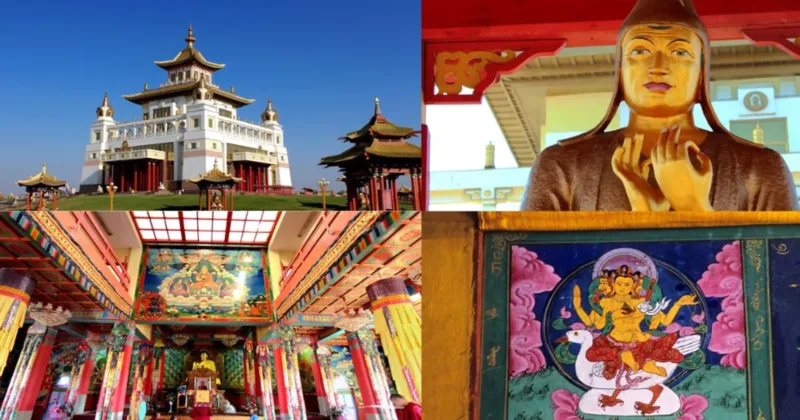
Special attention should be given to the interaction between Russia and India in the field of religion, particularly Buddhism. For many decades, Buddhist monks from Russia have been traveling to India to receive higher Buddhist education. In addition to the monks who study in Buddhist monasteries, laypeople also receive education at universities in Sarnath, Dharamsala, and other locations. Additionally, monks from India visit Russia annually to give lectures and perform rituals. The most notable example of this collaboration is the transportation of a sacred relic of Buddha Shakyamuni from the National Museum of India to Elista, Russia.
The cultural relationship between Russia and India is unique, as it has never been affected by geopolitical conflicts or wars. Based on mutual respect, sympathy, and a shared desire for spiritual growth, this relationship remains the cement that holds together the economic and political cooperation of these two great powers, ensuring their long-term viability.
The cultural relations between India and Russia have a long history that predates the official establishment of diplomatic ties in 1947. This unique dialogue between civilizations has evolved through mutual exploration, trade, philosophy, literature, cinema, and science.
Historical Origins: From Afanasy Nikitin to the Astrakhan Communities
The first documented evidence of Russia’s interest in India dates back to the 15th century. Tver merchant Afanasy Nikitin, in his travel diary “Walking across Three Seas”, became one of the first Europeans to reach India and describe it from a deeply respectful and research point of view. In the 17th and 18th centuries, trade relations between Russia and India strengthened, which facilitated cultural exchange. An Indian merchant colony was formed in Astrakhan, whose representatives introduced Russians to their philosophy and traditions.
The Age of Enlightenment and spiritual quest (19th – early 20th century)
With the development of Oriental studies in Russia, interest in India evolved into scientific and philosophical understanding. In the late 18th century, Gerasim Lebedev founded the first European theater in India in Calcutta and compiled a Bengali grammar, becoming a pioneer in Russian Indology. The correspondence between Leo Tolstoy and Mahatma Gandhi had a significant impact on world history, and Gandhi’s ideas of nonviolent resistance were influenced by Russian philosophy. Nikolai Roerich, together with his family, made India his second homeland, combining the metaphysics of the East and the West in his philosophical teaching of Living Ethics.
The Soviet Period: The Rise of “Hindi Rasi Bhai Bhai”
The mid-20th century was a time of flourishing cultural exchange between the USSR and India, symbolized by the slogan “Hindi Rasi Bhai Bhai” (Indians and Russians are Brothers). Indian cinema became a national passion for Soviet citizens, and Raj Kapoor’s films filled theaters to the brim. Translations of ancient Indian epics and works by Rabindranath Tagore were published in the Soviet Union, while in India, the Russian language was widely studied and Russian classics were widely read.
Current state and new vectors of cooperation
Today, cultural ties between Russia and India are reaching a new institutional level, building on the legacy of the past and responding to the challenges of the present. Large-scale cultural festivals are being held, and there is growing interest in Indian spiritual and wellness practices, as well as educational programs. Indian students are studying at Russian universities, and Hindi and Indology study centers continue to operate in various Russian cities.
Special attention should be given to the interaction between Russia and India in the field of religion, particularly Buddhism. For many decades, Buddhist monks from Russia have been traveling to India to receive higher Buddhist education. In addition to the monks who study in Buddhist monasteries, laypeople also receive education at universities in Sarnath, Dharamsala, and other locations. Additionally, monks from India visit Russia annually to give lectures and perform rituals. The most notable example of this collaboration is the transportation of a sacred relic of Buddha Shakyamuni from the National Museum of India to Elista, Russia.
Conclusion
The cultural relationship between Russia and India is unique, as it has never been affected by geopolitical conflicts or wars. Based on mutual respect, sympathy, and a shared desire for spiritual growth, this relationship remains the cement that holds together the economic and political cooperation of these two great powers, ensuring their long-term viability.