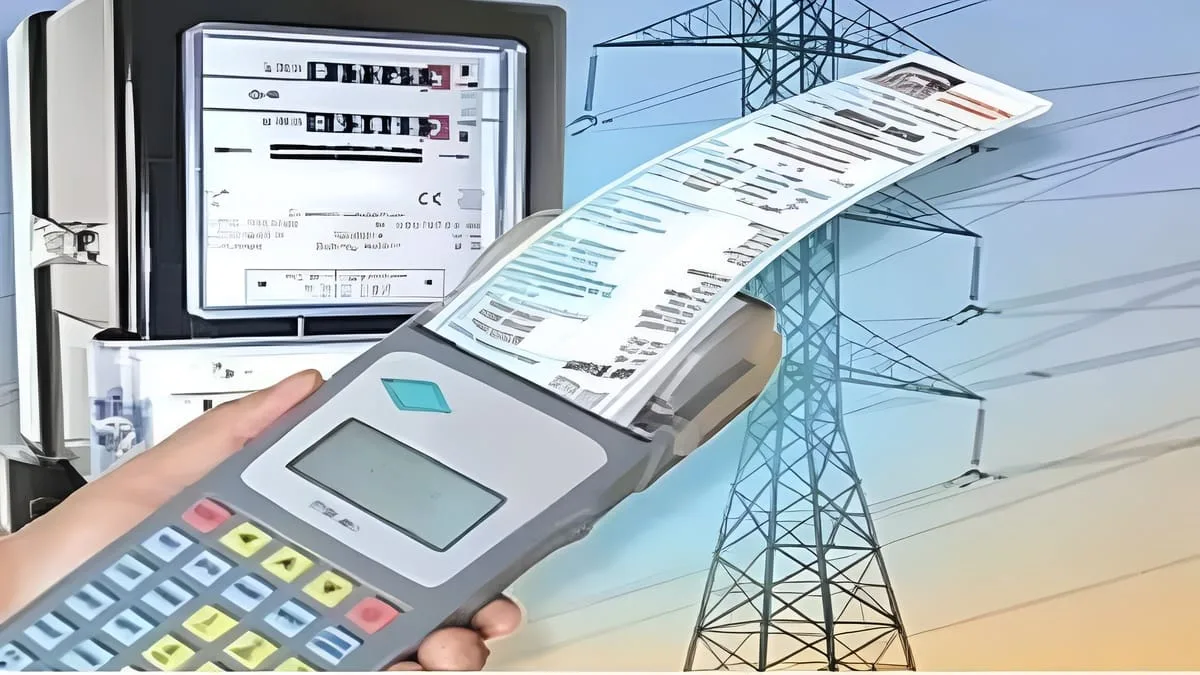
BENGALURU: Karnataka’s electricity supply companies (ESCOMs) are facing mounting financial pressure as various government departments have accumulated unpaid electricity bills totalling Rs 12,463 crore. The Rural Development and Panchayat Raj Department alone accounts for Rs 5,626 crore, while the Urban Development Department owes Rs 3,923 crore, according to the figures cited in a report.
The growing arrears have added to the financial burden on the state’s five ESCOMs, which are already carrying combined debts of around Rs 50,000 crore. Delayed payments by government departments have created a cash-flow problem for the utilities, forcing them to borrow money to meet their electricity procurement and infrastructure requirements.
The situation has also raised concerns over the financial burden being passed on to ordinary consumers through repeated electricity tariff revisions and additional charges intended to compensate for the utilities’ losses.
While electricity supply companies can disconnect power to consumers who fail to pay their bills, recovering dues from government departments has proved considerably more difficult. The departments have reportedly cited a shortage of funds and inadequate budgetary allocations to explain the delays, despite repeated notices from the Energy Department.
Officials have been attempting to recover the outstanding amounts for years. However, the arrears have continued to rise, putting pressure on the finances and operational capacity of the ESCOMs.
The Rural Development and Panchayat Raj Department has the largest outstanding amount of Rs 5,626 crore. The dues include electricity bills for streetlights and drinking water pump sets operated within gram panchayat jurisdictions.
The Urban Development Department, which covers the Greater Bengaluru Authority, municipal corporations, city municipal councils and town municipal councils, has accumulated dues of Rs 3,923 crore.
Another Rs 2,913 crore remains outstanding from other government departments and offices, including taluk offices and offices of sub-divisional officials. Together, the three categories account for the total arrears of Rs 12,463 crore.
Disconnection possible under regulations
Energy Department officials have said that ESCOMs are authorised to disconnect electricity connections to government offices that fail to clear their dues, subject to the applicable regulations.
Under the Karnataka Electricity Regulatory Commission (KERC) rules, a 15-day notice is issued before disconnection. If the outstanding bills remain unpaid even after the notice period, the ESCOMs have the authority to disconnect the supply. However, exemptions are provided in the public interest to essential services such as government hospitals, schools and colleges, police stations, courts and drinking water supply installations. Electricity connections to these facilities are not disconnected, officials have said.
Despite the provisions, collecting dues from departments with substantial arrears remains a major challenge for the Energy Department.
Borrowings add to financial pressure
ESCOMs must pay electricity-generating companies to procure power. When government departments fail to settle their bills, the distribution companies face a shortage of funds to meet these payments and are compelled to depend on borrowings.
The five ESCOMs together have debts of approximately Rs 50,000 crore. Bengaluru Electricity Supply Company (BESCOM) alone has long-term borrowings of around Rs 20,000 crore.
Apart from bank loans and other borrowings, the ESCOMs also have substantial outstanding payments to Karnataka Power Corporation Limited (KPCL), the state-owned power generation company. The amount payable to KPCL, including late payment surcharge, stands at Rs 8,755 crore, according to the figures cited in the report.
Although the state government releases subsidies annually, the ESCOMs require additional funds to expand and upgrade infrastructure to meet rising electricity demand. These capital expenditure requirements have contributed to their dependence on financial institutions and banks. The unpaid government bills further aggravate the problem by delaying the flow of revenue that the utilities need to meet their commitments.
Consumers bear the burden
The financial difficulties of the ESCOMs have implications for electricity consumers. The utilities’ borrowing costs and accumulated losses place additional pressure on their finances, while tariff revisions are used to recover eligible costs and address revenue shortfalls.
The Karnataka Electricity Regulatory Commission periodically examines the financial position of the ESCOMs and may allow adjustments through tariff revisions, including true-up mechanisms and applicable additional charges.
Consumers have expressed concern over repeated increases in electricity bills, particularly when government departments themselves have accumulated thousands of crores in unpaid dues.
The outstanding Rs 12,463 crore has therefore emerged as a major issue for the state’s power sector. Timely payment by government departments could improve the cash flow of the ESCOMs and reduce the pressure caused by arrears. Recovering the dues, alongside managing borrowings and infrastructure costs, will be crucial to improving the financial health of the utilities without placing an excessive burden on ordinary consumers.