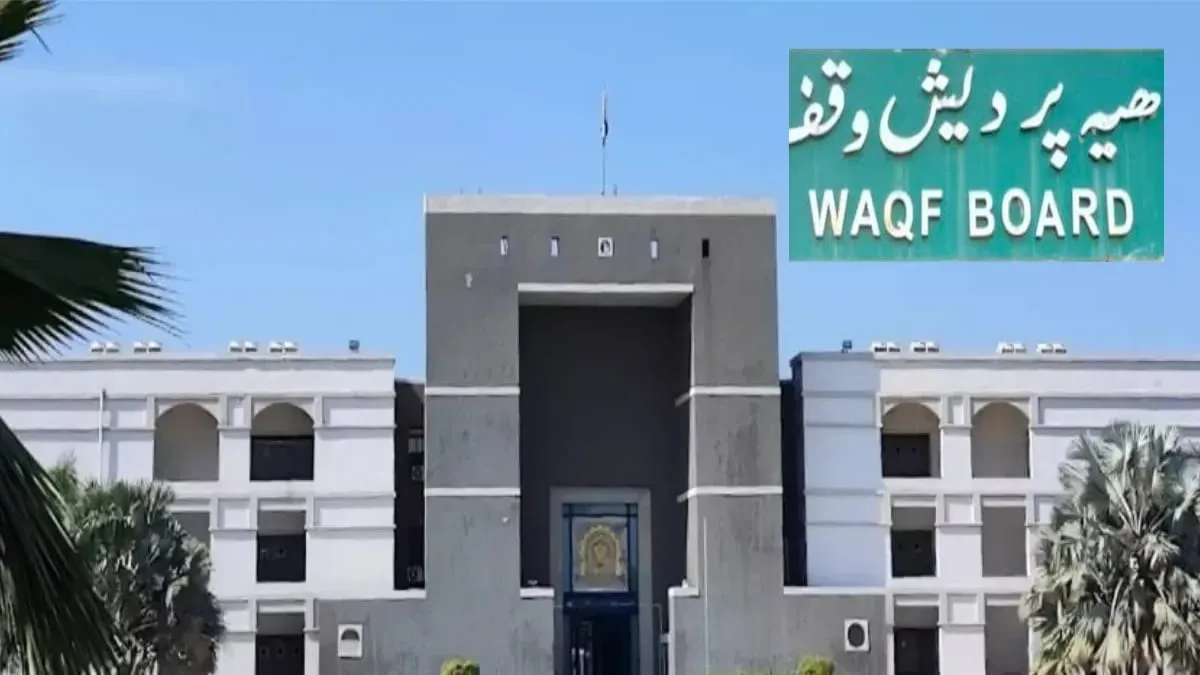
NEW DELHI: The Gujarat High Court has questioned the functioning of the Gujarat State Waqf Board after finding that elections to a Waqf trust in Porbandar had not been held since 1996, despite its bye-laws requiring annual elections.
Justice Mool Chand Tyagi, in a judgment delivered on October 13, noted that several complaints alleging financial irregularities and mismanagement of the Junagadh Suryawad Memon Jamat Trust had been submitted to the Board, but no effective action was taken.
The Court observed that the Board had failed to discharge its statutory responsibilities relating to the administration and protection of Waqf properties. It also noted that an earlier inquiry had been set aside for failure to follow the procedure prescribed under the Waqf Act.
The dispute reached the High Court through an appeal filed by Mohammad Yusuf Mohammad Punjani, the trust’s Mutawalli, challenging directions issued by the Waqf Tribunal at Gandhinagar on July 28.
The Tribunal had ordered the Board to examine the trust’s accounts, initiate criminal proceedings over alleged financial irregularities, appoint an administrator and take steps for electing new trustees. It had also directed the handing over of the trust’s records and properties.
The High Court, however, held that the Tribunal had exceeded its jurisdiction by assuming supervisory powers vested in the Waqf Board.
Justice Tyagi made it clear that the Tribunal is an adjudicatory authority and cannot take over the administrative functions entrusted to the Board under the statute.
At the same time, the Court found serious lapses in the Board’s handling of the complaints. It recorded that no trustee elections had been conducted for nearly three decades and that repeated complaints about the trust’s affairs had remained unattended.
The Court set aside the Tribunal’s directions that exceeded its statutory powers and remanded the matter to the Gujarat State Waqf Board.
The Board has been directed to conduct a fresh inquiry into the complaints, give the parties an opportunity of hearing and complete the proceedings within three months of receiving the judgment. It must thereafter take appropriate action in accordance with law.