BENGALURU: What began with just 19 patients in August 2013 has grown into a comprehensive healthcare support system for more than 400 children every month. Samraksha, a flagship healthcare initiative of Rashtrotthana Trust, provides continuous, affordable medical support to children living with Thalassemia and helps their families, who often face the financial and emotional challenges of lifelong treatment.
Launched on August 19, 2013, Samraksha was founded on the understanding that children requiring regular medical care should not be denied treatment because of their family’s financial circumstances. Thalassemia is a chronic blood disorder that requires lifelong management, with regular blood transfusions, medical investigations, medicines and chelation therapy forming an important part of treatment.
For families from economically weaker sections, the recurring expenses associated with the disease can be considerable. Beyond medical costs, families travelling from distant places must cover transportation, food and accommodation. Samraksha has sought to address these challenges by making essential treatment available without adding to families’ financial burden.
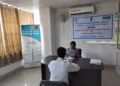
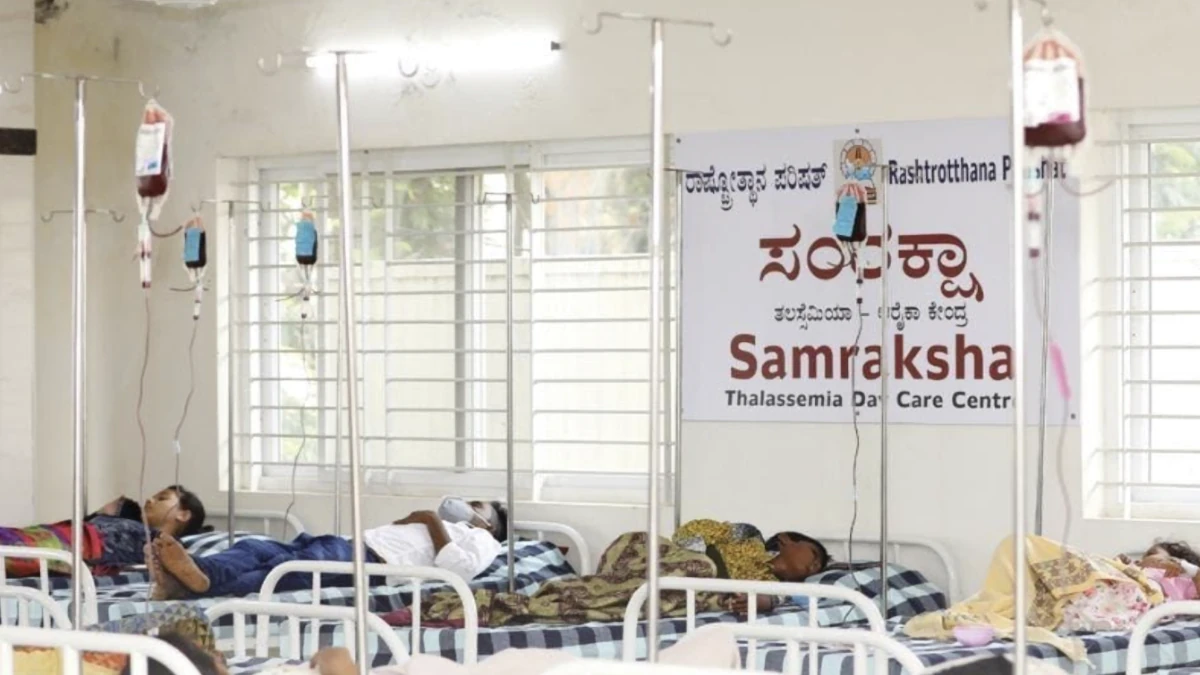
The programme currently provides regular blood transfusions, investigations and chelation therapy required for Thalassemia management. Rashtrotthana Trust covers the medical expenses for these essential services. Doctors and nurses supervise blood transfusions at the Samraksha facility, enabling children to receive treatment in a dedicated healthcare environment.
The Rashtrotthana Blood Centre plays an important role in the programme by providing specially processed blood components to support transfusions. The coordinated system of blood supply, medical supervision, and patient care aims to ensure children receive appropriate, safe transfusion services at regular intervals.
Over the years, Samraksha has evolved beyond being a facility focused only on transfusions. The programme emphasises creating a child-friendly environment where young patients can feel comfortable during what can otherwise be an anxious and tiring medical procedure.
Toys keep children engaged during transfusions, while a dedicated library gives them a chance to read and spend their time productively. The focus is to make the treatment experience less intimidating for children and provide an environment that supports their emotional well-being alongside their medical needs.
The programme’s scale is reflected in its transfusion numbers. Samraksha provides more than 10,000 units of blood transfusion every year. Since its inception, the programme has transfused more than 14.4 lakh units of blood to patients.
Behind these numbers are children who need continuous support to stay healthy and participate in everyday activities. Regular treatment can help them continue attending school, spending time with their families and pursuing their interests despite the demands of a chronic illness.
Samraksha’s reach extends beyond Bengaluru. Families from different parts of Karnataka and neighbouring states, including Tamil Nadu, Andhra Pradesh, Telangana, Odisha and West Bengal, have accessed the programme. Their journeys underline the need for accessible, affordable Thalassemia care, particularly for families with limited access to specialised treatment in their own locations.
For patients travelling from outside Bengaluru, treatment cost is only one part of the challenge. Travel, food and accommodation can add significantly to the expenses. To ease this burden, Samraksha operates as a day-care centre and provides free food and accommodation to patients and their attendants travelling from outside Bengaluru, as well as those coming from within the city.
The programme follows a broader approach to patient care, recognising that chronic illness affects an entire family and not just the child undergoing treatment. Family counselling, emotional support and attention to nutrition form part of this approach. The objective is to ensure medical treatment is accompanied by support that addresses young patients’ social and emotional needs.
Rashtrotthana Hospital is also exploring complementary healthcare approaches, including Ayurveda and Homoeopathy, alongside conventional medical care, with the stated objective of supporting overall well-being and quality of life. The initiative reflects the organisation’s broader interest in an integrated approach to healthcare.
One of the programme’s significant tests came during the COVID-19 pandemic, when healthcare facilities across the country faced unprecedented challenges. Despite the difficulties, Samraksha continued blood transfusion services without interruption.
For children dependent on regular transfusions, continuity of treatment is particularly important. Any disruption can create additional health concerns and anxiety for families. Continuing services during the pandemic showed the programme’s effort to maintain regular care even during an exceptional public health crisis.
For parents, consistent treatment can provide considerable reassurance. The recurring nature of Thalassemia care means families have to plan their lives around hospital visits and medical procedures. By covering essential treatment expenses and providing additional support, Samraksha aims to ease some of the pressures of this routine. The initiative’s journey also demonstrates how a focused healthcare programme can expand its reach time.
From 19 patients at its inception, Samraksha now supports more than 400 children every month. More than 14.4 lakh transfusion units provided since 2013 represent years of continuous medical support for children and families.
As the number of beneficiaries increases, the programme’s requirement for blood, medicines, medical supervision and other support services also grows. Sustaining and expanding such a programme requires continued support from individuals, corporate organisations, foundations and philanthropic institutions.
For Samraksha, such support represents more than funding for individual medical procedures. It contributes to a continuing healthcare system for children who require lifelong treatment. It can help families access essential services without facing an overwhelming financial burden.