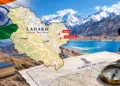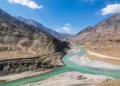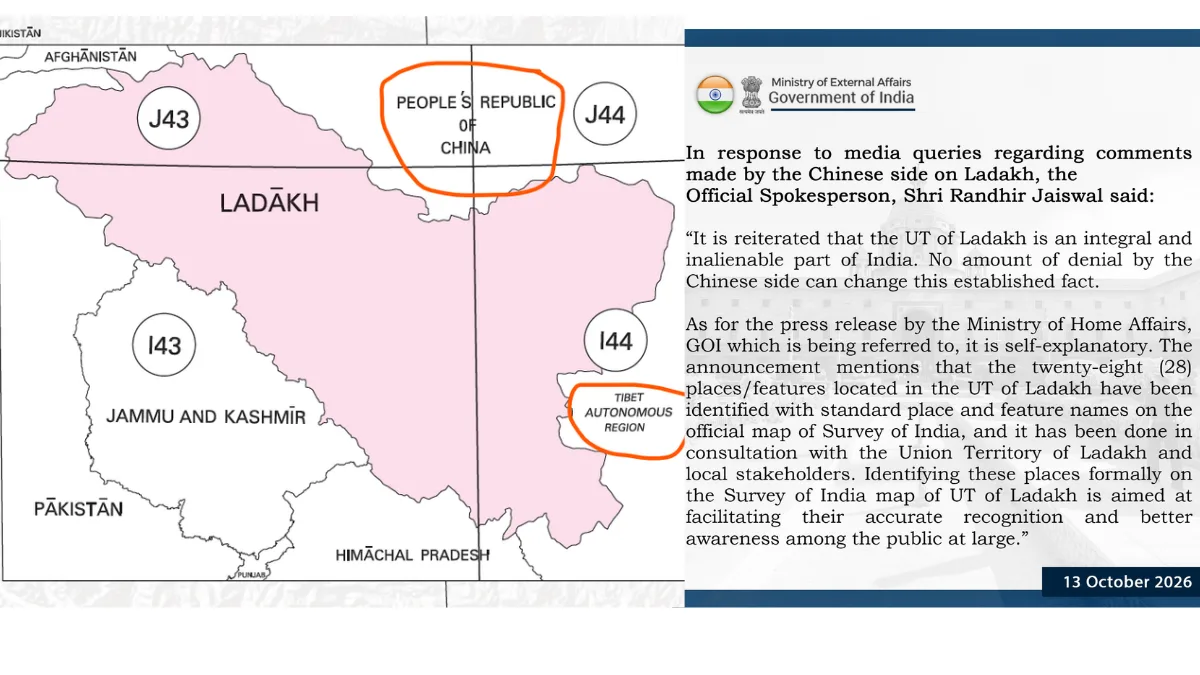
New Delhi, October 13, 2026: India on Tuesday firmly rejected China’s objections to the identification of 28 geographical features in Ladakh on the official Survey of India map, reiterating that the Union Territory is an integral and inalienable part of the country and that no amount of denial by Beijing can change this established fact.
Responding to media queries regarding comments made by the Chinese side on Ladakh, Ministry of External Affairs (MEA) spokesperson Randhir Jaiswal said, “It is reiterated that the UT of Ladakh is an integral and inalienable part of India. No amount of denial by the Chinese side can change this established fact.”
Clarifying the purpose of the mapping exercise, Jaiswal said the press release issued by the Ministry of Home Affairs (MHA), Government of India, was self-explanatory. The announcement stated that 28 places and geographical features in Ladakh had been identified by their standard place and feature names on the official Survey of India map in consultation with the Union Territory administration and local stakeholders. The exercise aims to facilitate their accurate recognition and improve public awareness.
India’s response came after Chinese Foreign Ministry spokesperson Mao Ning reportedly objected to the October 2 announcement, claiming that China had never recognised the “so-called Union Territory of Ladakh” and describing India’s decision to assign standardised names as “illegal and invalid”.
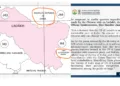
On October 2, 2026, the Government of India, in consultation with the Union Territory administration of Ladakh, identified the 28 places and features by their standardised names on the official Survey of India (SoI) map. The objective was to facilitate their accurate identification and improve public awareness.
The 28 places and geographical features identified on the official Survey of India map of Ladakh are :
(1) Atisha Giri, (2) Brangsa, (3) Chapchingal Pass, (4) Kanishka Peak, (5) Karun Pir, (6) Kuksel, (7) Martand Giri, (8) Parpik, (9) Skamri Glacier, (10) Shachmirk Pass, (11) Shkorga Valley, (12) Zorawar Peak, (13) Dehra Compass, (14) Drak Karpo, (15) Gogra, (16) Jolmori, (17) Kumarayana Point, (18) Panglung, (19) Rinchen Zangpo, (20) Sakyasri Giri, (21) Guru Rinpoche, (22) Shamal Lungpa, (23) Yangpa River, (24) Hot Spring, (25) Marpa Lotsava Ri, (26) Milarepa Kangri, (27) Shiva Ri and (28) Maheshvara Ri.
In April 2024, responding to China’s renaming attempts in Arunachal Pradesh, MEA spokesperson Randhir Jaiswal stated:
“We have noticed that China has persisted with its vain and preposterous attempts to name places in the Indian state of Arunachal Pradesh. Consistent with our principled position, we reject such attempts categorically. Creative naming will not alter the undeniable reality that Arunachal Pradesh was, is, and will always remain an integral and inalienable part of India.”
China’s latest objection follows a recurring pattern in which Beijing announces alternative names for locations in Indian territory and asserts its own territorial claims, while rejecting India’s official mapping exercises.
The pattern has been particularly evident in Arunachal Pradesh, which China refers to as “Zangnan”, or southern Tibet. Beijing announced six names for locations in the state in 2017, followed by 15 in 2021 and another 11 in 2023. In May 2025, China announced a further list of 27 names for places in Arunachal Pradesh.
India’s position remains that unilateral naming exercises cannot establish sovereignty over Indian territory.