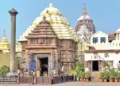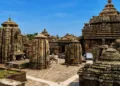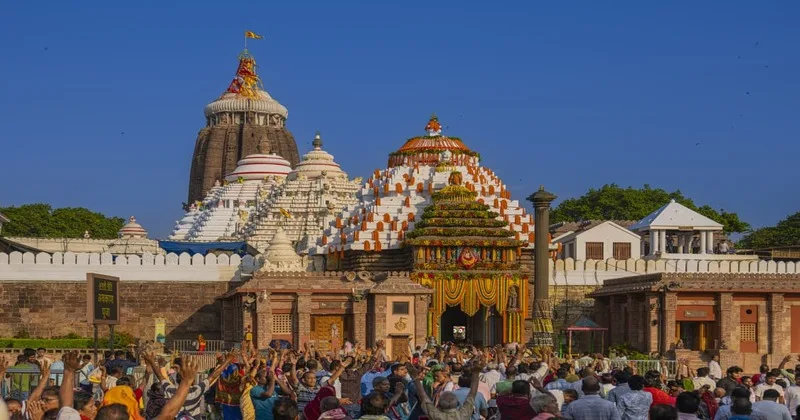
Bhubaneswar: On July 19, the counting and weighing (Ganati-Manati) of sacred ornaments kept in the Ratna Bhandar of the Jagannath Mandir took place. This activity is part of an ongoing effort to record and authenticate the temple’s precious assets. The inventory included ornaments utilised by the deities and those presented during the recent Snana Purnima ceremony.
The exercise included the examination of several sacred ornaments such as Rahu Rekha, gold Chita (forehead ornaments), and silver Rasika, along with other items associated with Mahaprabhu Jagannath, Mahaprabhu Balabhadra, and Maa Subhadra. Each ornament was meticulously counted, weighed, and documented through photography, videography, and advanced 3D mapping techniques to ensure accurate and transparent record-keeping.
According to Arabinda Padhee, Chief Administrator of the Shree Jagannath Mandir Administration, the identification process was carried out by experts in precious gems and jewellery. He stated that the ornaments were carefully verified and matched with records from the Mandirs 1978 inventory, ensuring consistency and authenticity in documentation.
Padhee further informed that the ornaments examined during the exercise included the gem-studded Chitas of the three deities, which were used during the recent Deva Snana Purnima. Following counting and verification, these ornaments were handed back to the Bhandara Mekap servitors in accordance with established Mandir protocols. He added that rare and significant items such as ‘Sua Thantia’ and silver ‘Rasika Sua Thantia’—ornaments seldom seen by devotees—were also part of the process.
Chairman of the Ratna Bhandar Inspection Committee, Justice Biswanath Rath, stated that the entire exercise was conducted strictly in line with procedures approved by the State government. He noted that the counting resumed after a pause since May 23 and covered ornaments that are typically kept outside the inner treasury as part of the ‘Ange Lagi’ (body-adorned) category.
#WATCH | Puri, Odisha: On Ratna Bhandar inventory inside Sri Jagannath Temple treasury, Justice Biswanath Rath (Retd) says, "… The inventory process has started. We have already completed the process, but some valuables of the deity could not be entered earlier. Now, after the… pic.twitter.com/gdb7l6lRis
— ANI (@ANI) July 19, 2026
Providing details of the operation, Justice Rath said the inspection team entered the designated area at around 11:36 am and completed the process by 1:58 pm. He added that ornaments such as Rahu Rekha, silver-clad Sua Thantia, and Chita Lagi were included in this phase, following the additional Standard Operating Procedures (SOPs) prescribed by the government.
He further stated that the counting of ornaments in the Bhitara Ratna Bhandar (inner treasury) has largely been completed, with the exception of the ‘Jhoba’ ornament, which is currently being adorned by the deity. This particular item will be assessed at a later stage when it is returned to the treasury.
Officials indicated that the remaining jewellery and precious articles in the inner Ratna Bhandar are yet to be fully examined. The temple administration is expected to decide on the schedule for the next phase of counting and assessment in due course. The ongoing initiative aims to systematically document, preserve, and ensure accountability of the temple’s sacred ornaments and valuables.
Adapa Darshan of the Deities Draws Massive Devotee Turnout at Gundicha Mandir
After the ceremonial Adapa Bije, the deities of the Jagannath Temple are now enthroned at the Janmabedi (birthplace) inside the Gundicha Temple, where Mahaprabhu Jagannath is believed to recreate divine pastimes. Devotees were granted the opportunity to have Adapa Darshan at the Adapa Mandap, experiencing deep spiritual joy upon seeing the deities at this sacred site.
A large number of devotees gathered on Sunday to witness the darshan of the Chaturdha Vigraha—Mahaprabhu Jagannath, Mahaprabhu Balabhadra, Goddess Subhadra, and Sudarshan, who are on their nine-day sojourn. The crowd was so overwhelming that queues reportedly stretched up to Badasankha. To manage the rush, barricades were set up in front of the Gundicha Mandir, and devotees exited through the Nakachana Gate after darshan.
While devotees received the opportunity for darshan, many missed partaking in the sacred Adapa Abadha (Mahaprasad) due to delays in temple rituals. With rituals extending into the afternoon, the cooking process began late after Surya Puja, and the morning offering (Sakala Dhupa) concluded at around 4:10 pm, following which the Abadha was distributed.
According to Suar Mahasuar Nijog secretary Narayan Mahasuar, Mahaprasad was prepared for nearly 50,000–60,000 devotees, with additional arrangements catering to around 40,000 people. In total, food sufficient for nearly one lakh devotees was made available. From Sunday onward, Anna Bhoga offerings began, and devotees received Adapa Abadha. Notably, “Amruta Anna” prepared from organic rice was offered as part of Kotha Bhoga, along with moong dal and black gram used for traditional preparations.
Darshan was restricted after the second Bhogamandap ritual due to the Banakalagi Niti, during which Dutta Mahapatra servitors performed sacred adornment rituals inside the temple. Earlier, the deities had given darshan atop the chariots for three days before entering the Adapa Mandap in a ceremonial Pahandi procession.
Morning rituals, including Mangal Alati, were completed before darshan began at around 10 AM. However, due to the extended Banakalagi Niti lasting till early morning, darshan remained suspended from 9 pm onwards.