Supreme Court rejects ban on state funding for Madrasas or transfer of students to govt schools—All You Need to Know
June 16, 2026
  • Read Ecopy
  • Circulation
  • Advertise
  • Careers
  • About Us
  • Contact Us
Android AppiPhone AppArattai
Organiser
  • ‌
  • Bharat
    • Assam
    • Bihar
    • Chhattisgarh
    • Jharkhand
    • Maharashtra
    • View All States
  • World
    • Asia
    • Europe
    • North America
    • South America
    • Africa
    • Australia
  • Editorial
  • International
  • Opinion
  • RSS @ 100
  • More
    • Op Sindoor
    • Analysis
    • Sports
    • Defence
    • Politics
    • Business
    • Economy
    • Culture
    • Special Report
    • Sci & Tech
    • Entertainment
    • G20
    • Azadi Ka Amrit Mahotsav
    • Vocal4Local
    • Web Stories
    • Education
    • Employment
    • Books
    • Interviews
    • Travel
    • Law
    • Health
    • Obituary
  • Subscribe
    • Subscribe Print Edition
    • Subscribe Ecopy
    • Read Ecopy
  • ‌
  • Bharat
    • Assam
    • Bihar
    • Chhattisgarh
    • Jharkhand
    • Maharashtra
    • View All States
  • World
    • Asia
    • Europe
    • North America
    • South America
    • Africa
    • Australia
  • Editorial
  • International
  • Opinion
  • RSS @ 100
  • More
    • Op Sindoor
    • Analysis
    • Sports
    • Defence
    • Politics
    • Business
    • Economy
    • Culture
    • Special Report
    • Sci & Tech
    • Entertainment
    • G20
    • Azadi Ka Amrit Mahotsav
    • Vocal4Local
    • Web Stories
    • Education
    • Employment
    • Books
    • Interviews
    • Travel
    • Law
    • Health
    • Obituary
  • Subscribe
    • Subscribe Print Edition
    • Subscribe Ecopy
    • Read Ecopy
Organiser
  • Home
  • Bharat
  • World
  • Operation Sindoor
  • Editorial
  • Analysis
  • Opinion
  • Culture
  • Defence
  • International Edition
  • RSS @ 100
  • Magazine
  • Read Ecopy
Home Bharat

Supreme Court rejects ban on state funding for Madrasas or transfer of students to govt schools—All You Need to Know

The Supreme Court's decision came after Jamiat Ulama-i-Hind filed a plea challenging the Uttar Pradesh government’s order, which was based on a letter from NCPCR. The group argued that the directive violated the constitutional rights of minorities to establish and administer their own educational institutions

WEBDESKWEBDESK
Oct 21, 2024, 07:00 pm IST
in Bharat, Delhi, Law
Follow on Google News
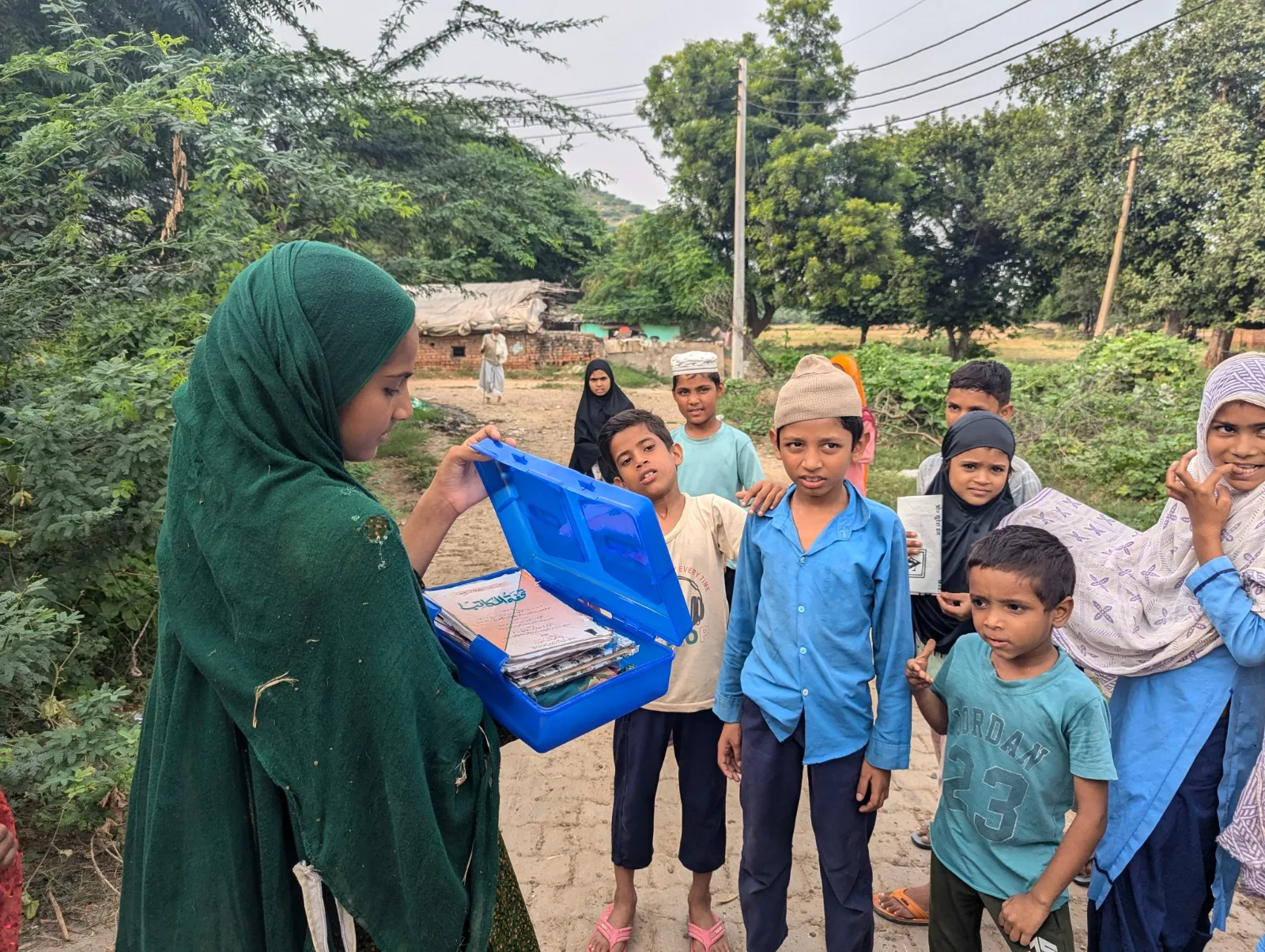
Children coming out of a madrasa in Nuh (Photo: Organiser)

Children coming out of a madrasa in Nuh (Photo: Organiser)

FacebookTwitterWhatsAppTelegramEmail

On Monday, October 21, the Supreme Court stayed the recommendations of the National Commission for Protection of Child Rights (NCPCR), as well as subsequent actions taken by the Center and various states, to close government-funded madrasas for allegedly failing to comply with the Right to Education (RTE) Act. The Court also stayed the recent directives issued by the governments of Uttar Pradesh and Tripura, which had ordered the transfer of students from unrecognised madrasas and non-Muslim students studying in government-aided madrasas to government-run schools.

A three-judge bench, headed by Chief Justice D.Y. Chandrachud and comprising Justices J.B. Pardiwala and Manoj Misra, issued an interim order, stating that NCPCR’s communications, dated June 7 and June 25 of this year, should not be acted upon. The Court has effectively put a hold on these actions until further consideration.

The Supreme Court’s decision came after Jamiat Ulama-i-Hind filed a plea challenging the Uttar Pradesh government’s order, which was based on a letter from NCPCR. The group argued that the directive violated the constitutional rights of minorities to establish and administer their own educational institutions.

The Court has now sought responses from the Centre and all states within four weeks. It further ruled that any additional orders issued by state governments, in connection with the NCPCR’s recommendations, would also remain stayed until further notice. The Supreme Court also allowed Jamiat Ulama-i-Hind to include other states beyond Uttar Pradesh and Tripura in the petition, expanding the scope of the case.

The NCPCR had earlier filed an affidavit in the Supreme Court in September, challenging the Allahabad High Court’s decision to strike down the Uttar Pradesh Board of Madarsa Education Act, 2004. The Commission argued that the education provided in many madrasas is not comprehensive and violates the RTE Act, 2009. According to NCPCR, children attending madrasas are being deprived of not only quality education but also better growth opportunities and a healthy learning environment.

In its affidavit, the NCPCR asserted that madrasas are failing to meet the basic educational needs of children, which is a violation of their fundamental rights. The Commission has called for reforms to ensure that all children, including those studying in madrasas, have access to formal and quality education in line with the RTE Act. Over recent years, the NCPCR has placed increasing emphasis on the education of madrasa students, highlighting the risks of excluding these children from the formal education system, which can lead to educational deprivation and the violation of their rights.

Topics: Madrasa fundingSC BenchSupreme CourtPriyank KanoongoNCPCRMadrasa education
Share9TweetSendShareSend
✮ Subscribe Organiser YouTube Channel. ✮
✮ Join Organiser's WhatsApp channel for Nationalist views beyond the news. ✮
Previous News

Tripura police foil attempt by Islamist radicals from Bangladesh to incite anti-Hindu riot in Kailashahar

Next News

Semiconductor: Key ‘Conductor’ for future growth

Related News

Supreme Court of India

‘RTI activism has become business’: SC denies anticipatory bail, questions activist’s authority to monitor road project

The AMU Judgment: Why the Supreme Court must revisit Article 30

Tamil Nadu Assembly (File Photo)

Tamil Nadu speaker drops action against 21 rebel AIADMK MLAs after EPS withdrawal, targets 4 who joined TVK

Supreme Court remarks have revived the UAPA bail debate, with supporters citing national security concerns

UAPA Bail Debate: Striking a delicate balance between individual liberty and national security

Supreme Court invokes Article 142, issues strict timelines to curb delay in High Court judgments

Supreme Court invokes Article 142, orders strict timelines for High Court judgments to end delays in justice delivery

SIR and Article 324: Supreme Court strengthens the constitutional spine of Indian Democracy; Reaffirms ECI’s authority

Load More

Latest News

DRDO successfully tests Long-Range Precision Missile

India’s ‘Tomahawk’ Takes Flight: DRDO successfully tests long-range precision cruise missile

Tamil Nadu Education Minister Rajmohan (file photo)

Tamil Nadu Education Minister Rajmohan takes U-turn on religious symbols in schools after severe public backlash

A representative image generated via AI

MP: Mohd Sameer booked under POCSO for raping minor Hindu girl for years, forcing abortions and conversion to Islam

Bangladesh Dhaka University Hindu students demand arrests after Islamists desecrate Bhagwan Ram’s murti in Gaibandha

Bangladesh: Dhaka University Hindu students launch protest over Islamist desecration of Bhagwan Ram’s murti

Bhaurao Bhuskute

Bhaurao Bhuskute: A silent architect of nation-building and an exemplary karmayogi

United States: Life-size statue of Swami Vivekananda unveiled in Chicago; Resonates the message of service & harmony

NTA welcomed the centre's decision to impose temporary restrictions on Telegram platform in India ahead of the NEET-UG 2026 re-examination

NEET-UG 2026 Re-Exam: NTA welcomes government’s temporary restrictions on Telegram to curb paper leak and fraud

RSS Sarsanghchalak Dr Mohan Bhagwat in Kerala

RSS Sarsanghchalak Dr Mohan Bhagwat answers on the legal status of Sangh

Supreme Court of India

‘RTI activism has become business’: SC denies anticipatory bail, questions activist’s authority to monitor road project

The Strait of Hormuz is more than an energy corridor. It is a critical artery for global fertiliser trade, making food security an unexpected casualty of geopolitical conflict

From Hormuz to Hunger: How the US-Iran war triggers a global food crisis

Load More
  • Privacy
  • Terms
  • Cookie Policy
  • Refund and Cancellation
  • Delivery and Shipping

© Bharat Prakashan (Delhi) Limited.
Tech-enabled by Ananthapuri Technologies

  • Home
  • Search Organiser
  • Bharat
    • Assam
    • Bihar
    • Chhattisgarh
    • Jharkhand
    • Maharashtra
    • View All States
  • World
    • Asia
    • Africa
    • North America
    • South America
    • Europe
    • Australia
  • Editorial
  • Operation Sindoor
  • Opinion
  • Analysis
  • Defence
  • Culture
  • Sports
  • Business
  • RSS @ 100
  • Entertainment
  • More ..
    • Sci & Tech
    • Vocal4Local
    • Special Report
    • Education
    • Employment
    • Books
    • Interviews
    • Travel
    • Health
    • Politics
    • Law
    • Economy
    • Obituary
  • Subscribe Magazine
  • Read Ecopy
  • Advertise
  • Circulation
  • Careers
  • About Us
  • Contact Us
  • Policies & Terms
    • Privacy Policy
    • Cookie Policy
    • Refund and Cancellation
    • Terms of Use

© Bharat Prakashan (Delhi) Limited.
Tech-enabled by Ananthapuri Technologies