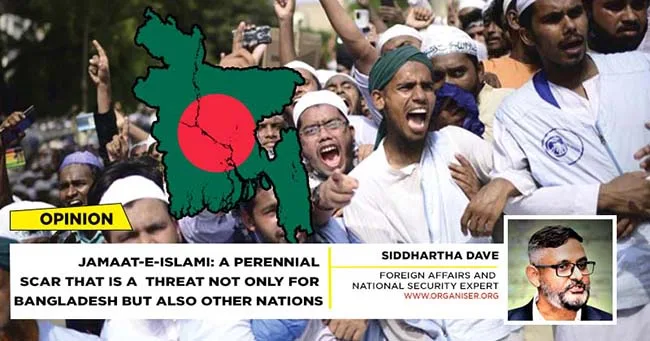
Jamaat-E-Islami: A perennial scar that is a threat not only for Bangladesh but also other nations
August 16, 2026
  • Read Ecopy
  • Circulation
  • Advertise
  • Careers
  • About Us
  • Contact Us
Android AppiPhone AppArattai
Organiser
  • ‌
  • Bharat
    • Assam
    • Bihar
    • Chhattisgarh
    • Jharkhand
    • Maharashtra
    • View All States
  • World
    • Asia
    • Europe
    • North America
    • South America
    • Africa
    • Australia
  • Editorial
  • International
  • Opinion
  • RSS @ 100
  • More
    • Op Sindoor
    • Analysis
    • Sports
    • Defence
    • Politics
    • Business
    • Economy
    • Culture
    • Special Report
    • Sci & Tech
    • Entertainment
    • G20
    • Azadi Ka Amrit Mahotsav
    • Vocal4Local
    • Web Stories
    • Education
    • Employment
    • Books
    • Interviews
    • Travel
    • Law
    • Health
    • Obituary
  • Subscribe
    • Subscribe Print Edition
    • Subscribe Ecopy
    • Read Ecopy
  • ‌
  • Bharat
    • Assam
    • Bihar
    • Chhattisgarh
    • Jharkhand
    • Maharashtra
    • View All States
  • World
    • Asia
    • Europe
    • North America
    • South America
    • Africa
    • Australia
  • Editorial
  • International
  • Opinion
  • RSS @ 100
  • More
    • Op Sindoor
    • Analysis
    • Sports
    • Defence
    • Politics
    • Business
    • Economy
    • Culture
    • Special Report
    • Sci & Tech
    • Entertainment
    • G20
    • Azadi Ka Amrit Mahotsav
    • Vocal4Local
    • Web Stories
    • Education
    • Employment
    • Books
    • Interviews
    • Travel
    • Law
    • Health
    • Obituary
  • Subscribe
    • Subscribe Print Edition
    • Subscribe Ecopy
    • Read Ecopy
Organiser
  • Home
  • Bharat
  • World
  • Operation Sindoor
  • Editorial
  • Analysis
  • Opinion
  • Culture
  • Defence
  • International Edition
  • RSS @ 100
  • Magazine
  • Read Ecopy
Home Bharat

Jamaat-E-Islami: A perennial scar that is a threat not only for Bangladesh but also other nations

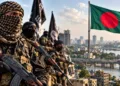
As Bangladesh continues to grapple with its past, it needs to recall 1971 when it was fighting for its independence from Pakistan. Then Jamaat-e-Islami betrayed the people by siding with the autocratic Pak Army and suppressing the legitimate liberation movement in a brutal way. It has left a long lasting scar on Bangladesh

Siddhartha DaveSiddhartha Dave
Sep 11, 2024, 07:00 pm IST
inBharat, Opinion
Follow on Google News
Facebook
Twitter
WhatsAppTelegramEmail

Jamaat-e-Islami’s role in the 1971 Bangladesh Liberation War remains one of the most controversial and painful episodes in the nation’s history. As Bangladesh fought for its independence from Pakistan, Jamaat-e-Islami sided with the Pakistani military, suppressed the liberation movement and participated in a series of atrocities that have left a lasting scar on Bangladesh. This article explores the war crimes committed by Jamaat-e-Islami during the conflict, drawing from tribunal reports and post-liberation committee findings.

Contours of the Liberation War

In 1971, East Pakistan (now Bangladesh) sought independence from West Pakistan due to long-standing economic, political and systemic cultural discrimination. The struggle culminated in a brutal conflict, with the Pakistani military launching Operation Searchlight on March 25, 1971, aimed at suppressing the independence movement. What followed was a nine-month war marked by widespread atrocities including mass killings, rapes and the displacement of millions.

During this period, Jamaat-e-Islami emerged as a staunch opponent of Bangladesh’s independence. The party aligned itself with the Pakistani military, motivated by its ideological commitment to preserving the unity of an Islamic Pakistan. Jamaat leaders viewed the independence movement as a threat to Islamic unity, concept of Ummah and actively collaborated with the Pakistani military to suppress it.

Jamaat-e-Islami played a crucial role in the formation of paramilitary forces that assisted the Pakistani military in carrying out atrocities against the Bengali population. The two most notorious of these groups were the Razakars and Al-Badr, both of which were directly involved in war crimes

  • Razakars: The Razakars were a volunteer militia formed by the Pakistani military, with absolute backing from Jamaat-e-Islami. They were responsible for mass killings, looting, arson, and the persecution of pro-independence activists and minority communities, particularly Hindus
  • Al-Badr: Al-Badr, primarily composed of members from Jamaat’s student wing, Islami Chhatra Sangha, was involved in the systematic abduction, torture, and execution of intellectuals and professionals in the final days of the war. This massacre of intellectuals, known as the “Intellectual Genocide,” was aimed at crippling the future of an independent Bangladesh by eliminating its brightest minds

Holding Jamaat Accountable

In the years following independence, Bangladesh grappled with the legacy of the war and the atrocities committed by collaborators. The calls for justice grew louder, culminating in the establishment of the International Crimes Tribunal (ICT) in 2010. The ICT was tasked with investigating and prosecuting those responsible for war crimes during the 1971 Liberation War. Several high-ranking leaders of Jamaat-e-Islami were tried and convicted by the ICT for their roles in the atrocities:

  • Ghulam Azam: The former leader of Jamaat-e-Islami, Ghulam Azam, was found guilty of five charges, including conspiracy, planning, incitement, and complicity in war crimes. He was sentenced to 90 years in prison. Azam was a key figure in the collaboration with the Pakistani military and was instrumental in forming the Razakars
  • Motiur Rahman Nizami: As the head of Al-Badr, Motiur Rahman Nizami was convicted for his involvement in the killings of intellectuals and other war crimes. He was sentenced to death and executed in 2016. Nizami’s role in the execution of Bangladesh’s intellectuals was particularly heinous, as it sought to destroy the nation’s cultural and intellectual heritage
  • Ali Ahsan Mohammad Mujahid: Another leader of Jamaat, Mujahid, was the secretary-general of Al-Badr and was also sentenced to death for his role in the mass killings of intellectuals. He was executed in 2015

The ICT’s proceedings have been both lauded and criticised. Supporters argue that the trials were necessary for delivering justice to the victims and their families, and for bringing closure to a painful chapter in the nation’s history. Critics, however, have raised concerns about the fairness of the trials, the adequacy of legal representation for the accused and the perceived political motivations behind the tribunal.

The crimes of Jamaat-e-Islami during the 1971 Liberation War were well-documented by various committees and reports established after Bangladesh gained independence. One of the earliest efforts to document the atrocities was undertaken by the People’s Inquiry Commission, formed shortly after liberation. The commission compiled extensive evidence of war crimes, including testimonies from survivors, which were later used in tribunal proceedings. In addition, the 1972 Collaborators Act was enacted to bring those who had collaborated with the Pakistani military to justice. However, political instability and subsequent Government changes led to a delay in prosecutions, allowing many accused individuals to escape justice for decades.

Darkest Chapter in History

The involvement of Jamaat-e-Islami in the 1971 atrocities has left an indelible mark on Bangladesh’s political and social landscape. The party’s role during the war is a source of deep-seated anger and mistrust among many Bangladeshis, particularly the families of the victims. Despite its attempts to rebrand itself as a legitimate political entity, Jamaat’s wartime actions continue to haunt its image. The war crimes trials have also had significant implications for Bangladesh’s political environment. While the trials have provided some measure of justice, they have also deepened political divisions, particularly between Jamaat and its allies and the ruling Awami League.

The war crimes committed by Jamaat-e-Islami during the 1971 Liberation War stand as one of the darkest chapters in Bangladesh’s history. The atrocities carried out by Jamaat-affiliated militias like the Razakars and Al-Badr, under the party’s ideological and logistical support, were brutal and calculated, aiming to crush the independence movement and terrorise the population. The subsequent trials by the International Crimes Tribunal have brought some perpetrators to justice, but the scars of these crimes remain deeply etched in the national consciousness.

As Bangladesh continues to grapple with its past, the story of Jamaat-e-Islami serves as a reminder of the devastating consequences of ideological extremism and the importance of upholding justice and accountability in the face of such horrors.

Topics: Bangladeshbangladesh liberation warPakistani militaryJamaat-e-Islami’s
Siddhartha Dave
Siddhartha Dave
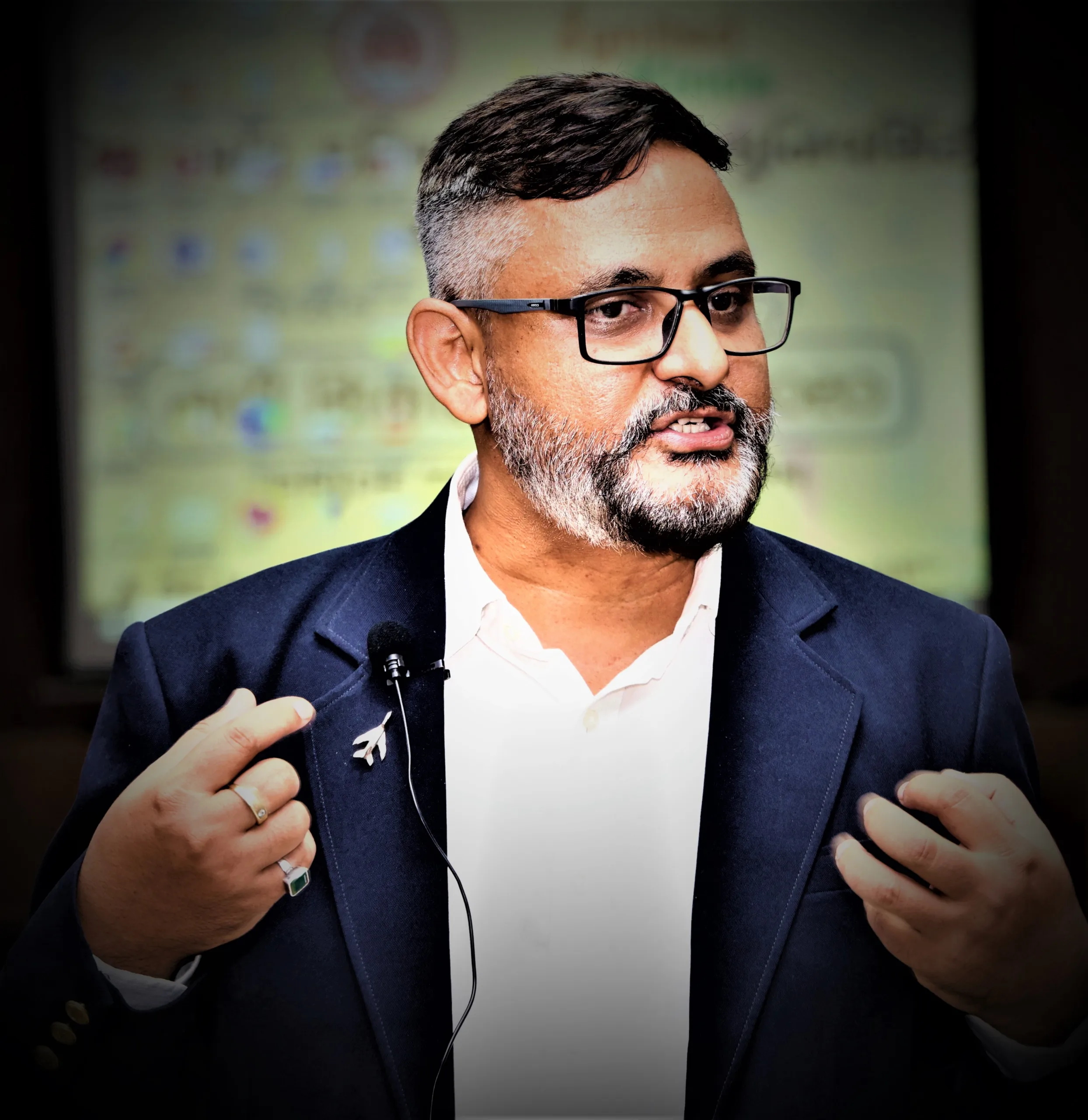
Siddhartha Dave is an alumnus of the United Nations University in Tokyo and a former Lok Sabha Research Fellow. He writes on foreign affairs and national security. [Read more]
Share10
Tweet
SendShareSend
✮ Subscribe Organiser YouTube Channel. ✮
✮ Join Organiser's WhatsApp channel for Nationalist views beyond the news. ✮
Previous News

Bihar: High Court overturns capital punishment of four accused to life imprisonment in ‘2013 Patna serial blasts case’

Next News

Karnataka: Tasima & Irfan arrested for assaulting Duty Doctor at Chikkamagaluru hospital; protests erupt

Related News

Indian Ambassadors to Bangladesh and Nepal meet respective Prime Ministers; Neighbourhood First policy in action

India’s Neighbourhood First Diplomacy in Action: Envoys meet Bangladesh, Nepal PMs; Pushes shared growth & prosperity

Prime Minister of Bangladesh Tarique Rahman and Former Prime Minister Sheikh Hasina

Bangladesh: BNP govt sharply reacts to Sheikh Hasina’s live interaction; Seeks mutually benificial ties with India

Illegal Bangladeshis deported (This image is generated by AI)

Odisha Police deport 42 illegal Bangladeshi nationals; Six more await repatriation

Exiled Bangladeshi writer Taslima Nasrin speaks during a citizens felicitation programme titled 'Returning to a Free West Bengal After 19 Years'

‘One of the longest nights of my life’: Taslima Nasreen recalls forced exit from Kolkata after 2007 protests

Former Prime Minister of Bangladesh Sheikh Hasina

Sheikh Hasina’s first public appearance since leaving Bangladesh; Will she hint at return to Dhaka & political future?

Representative Image

India to set up 40 Intelligence Bureau units in Bangladesh border; Shield against infiltration & organised crimes

Load More

Latest News

Christians conduct a funeral ceremony for victims of violence in Nigeria’s Middle Belt

Nigeria: Fulani Islamic terrorists kill 32 Christians in Plateau, Nasarawa and Benue States

Grain now available 24x7 in Chhattisgarh with ‘Annapurti Grain ATMs’

From Ration Queues to Digital Convenience: Grain now available 24×7 in Chhattisgarh with ‘Annapurti Grain ATMs’

Kuki Militants kill Naga Farmer in Manipur

Manipur: Suspected Kuki militant attack on Naga farmers working on paddy field; One killed, 3 sustained injuries

The Modi government wiped out impossible left-wing Maoism, but urban maoists persist

How Narendra Modi’s government dismantled red terrorism while the challenge of urban Maoism continues to loom

Onam is Kerala’s harvest festival, celebrated in the Malayalam month of Chingam

Onam 2026: History, Hindu heritage, traditions and cultural significance of Kerala’s harvest festival

Remembering Atal Behari Vajpayee on his death anniversary

Death Anniversary of Atal Behari Vajpayee: Remembering a legacy of humility, patriotism and statesmanship

J-K’s Doda Unfurls 100-Ft Tricolour on Independence Day

J&K: 100-Ft Tiranga soars high at Doda stadium on Independence Day

Muslim League anchored planned atrocities against Hindus on Direct Action Day in Calcutta

Decoding the horrors of Direct Action Day; Revisiting the forgotten lessons from the streets of Calcutta

Punjab: NHRC member Priyank Kanoongo flags no I-Day Celebrations at schools near India-Pak border; questions AAP Govt

Great Calcutta Killings 1946

Great Calcutta Killings in August 1946: Urban pogrom and the teleology of partition in colonial Bengal and India

Load More
  • Privacy
  • Terms
  • Cookie Policy
  • Refund and Cancellation
  • Delivery and Shipping

© Bharat Prakashan (Delhi) Limited.
Tech-enabled by Ananthapuri Technologies

  • Home
  • Search Organiser
  • Bharat
    • Assam
    • Bihar
    • Chhattisgarh
    • Jharkhand
    • Maharashtra
    • View All States
  • World
    • Asia
    • Africa
    • North America
    • South America
    • Europe
    • Australia
  • Editorial
  • Operation Sindoor
  • Opinion
  • Analysis
  • Defence
  • Culture
  • Sports
  • Business
  • RSS @ 100
  • Entertainment
  • More ..
    • Sci & Tech
    • Vocal4Local
    • Special Report
    • Education
    • Employment
    • Books
    • Interviews
    • Travel
    • Health
    • Politics
    • Law
    • Economy
    • Obituary
  • Subscribe Magazine
  • Read Ecopy
  • Advertise
  • Circulation
  • Careers
  • About Us
  • Contact Us
  • Policies & Terms
    • Privacy Policy
    • Cookie Policy
    • Refund and Cancellation
    • Terms of Use

© Bharat Prakashan (Delhi) Limited.
Tech-enabled by Ananthapuri Technologies