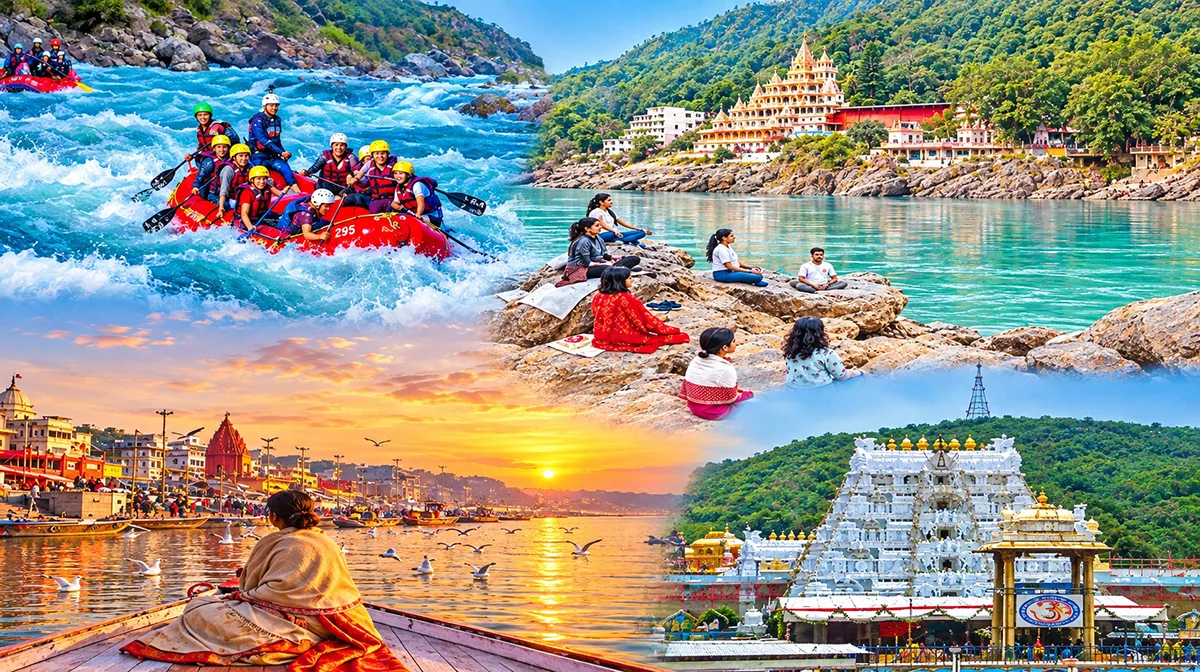
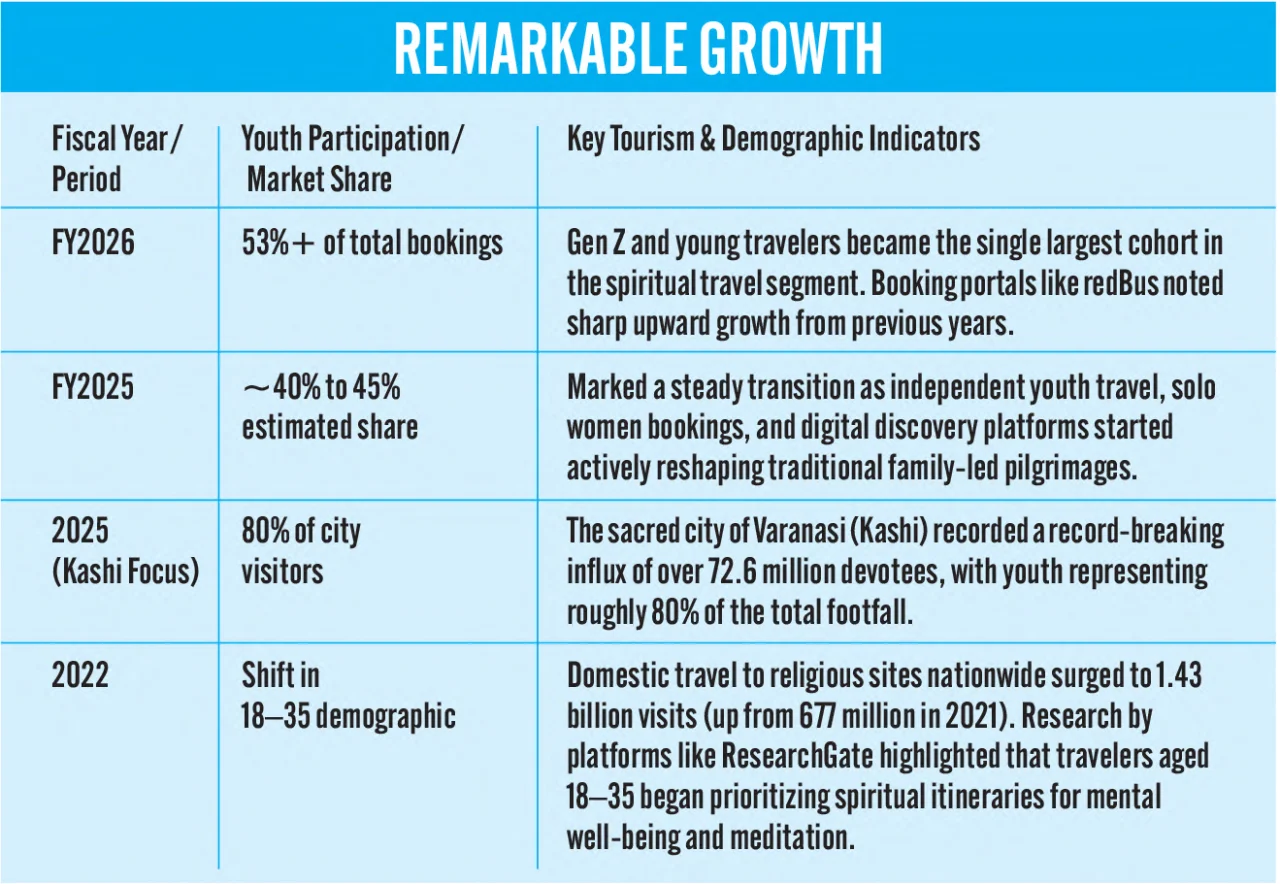
Think of planning a weekend trip to Ujjain, Haridwar or Rishikesh. The first challenge may not be deciding where to stay or what to see, but getting there. Trains are full, flight tickets become expensive and roads leading to these places can be packed with traffic. More and more people are travelling to these places for a few days of peace along with pilgrimage. What is particularly interesting is the share of young travellers. For many, the journey is about finding meaning in an otherwise hectic life.
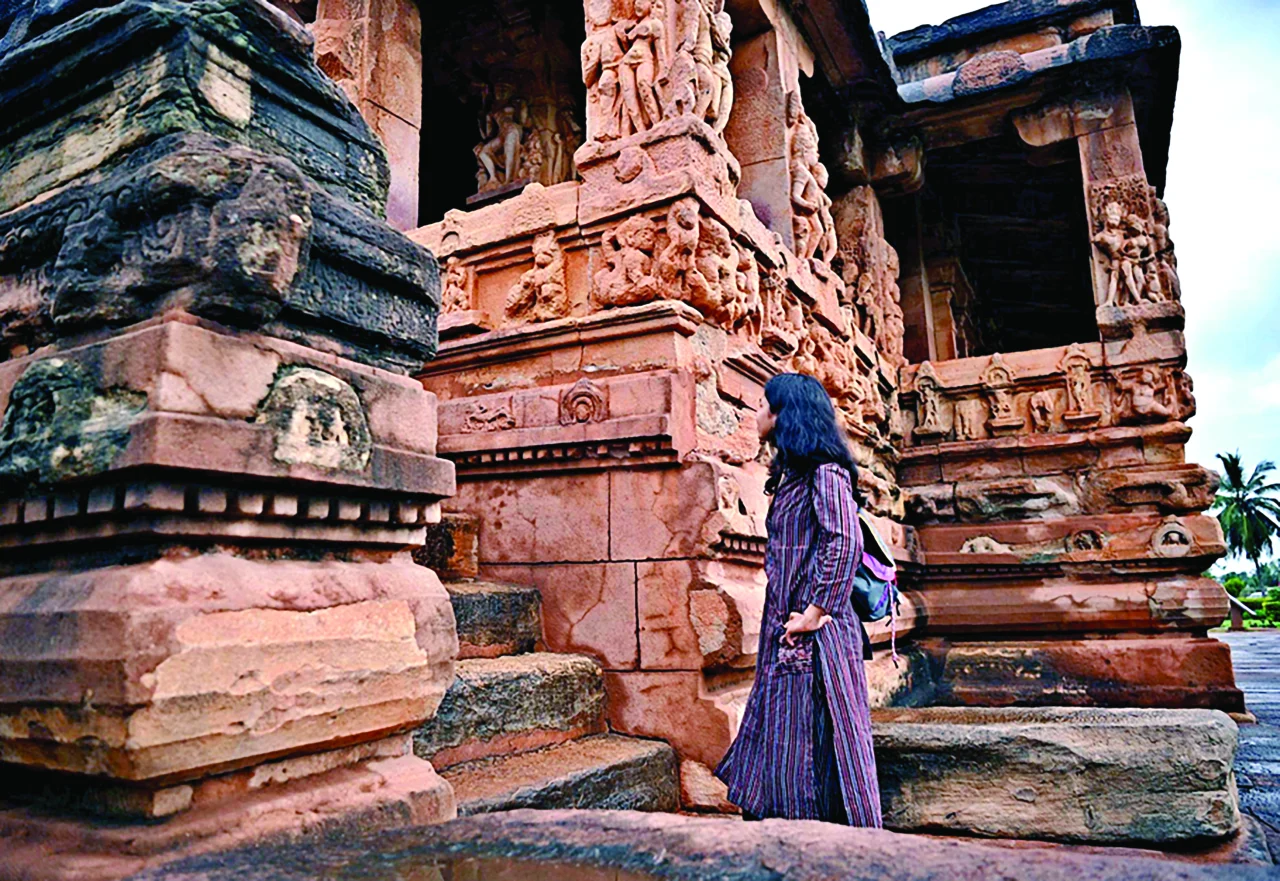
For generations, pilgrimage in Bharat was a journey of faith, tradition, and devotion, often undertaken after years of desire, planning and preparation. New generation with smartphones in hand and digital tools shaping their travel choices are rediscovering Bharat’s stunning mandirs, divine landscapes, and devotional traditions in their own way. From Himalayan treks to weekend mandir visits, self-realisation tourism has evolved into a blend of faith, wellness, and exploration. Bharat’s geography is no longer limited to traditional pilgrims.
Popular Spiritual Destinations for youth
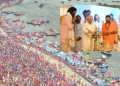
Varanasi : Varanasi combines spirituality, history, architecture, food and culture. The city’s ghats, mandirs and Ganga aarti make it one of India’s most distinctive spiritual destinations
Rishikesh : Rishikesh appeals to travellers looking for a combination of spirituality, yoga, meditation, wellness and adventure
Ayodhya : Ayodhya has emerged as a major pilgrimage and tourism destination, attracting visitors interested in spirituality, heritage and cultural experiences
Tirupati : Tirupati remains one of India’s most important pilgrimage destinations and continues to attract travellers from across the country, including younger visitors
Ujjain : Ujjain combines religious significance with heritage and cultural tourism and is an important destination on India’s spiritual travel circuit
Haridwar : Haridwar offers a combination of pilgrimage, religious festivals, riverfront experiences and cultural tourism
Amarnath : Amarnath Yatra continues to attract pilgrims from across India, while growing participation from independent travellers is adding a new dimension to the pilgrimage experience
For a long time, holidays for young people were mostly about just getting away. Beaches, hill-stations, adventure trips, shopping and nightlife were the usual choices. But today, another kind of journey has started to gain attention. Many are choosing places where they can slow down, seek connection, and spend some time away from the rush of everyday life. The youngsters now a days are willing to connect to their sanskritik roots and enrich their personalities with devotional experiences early on in life as compared to the generations before.
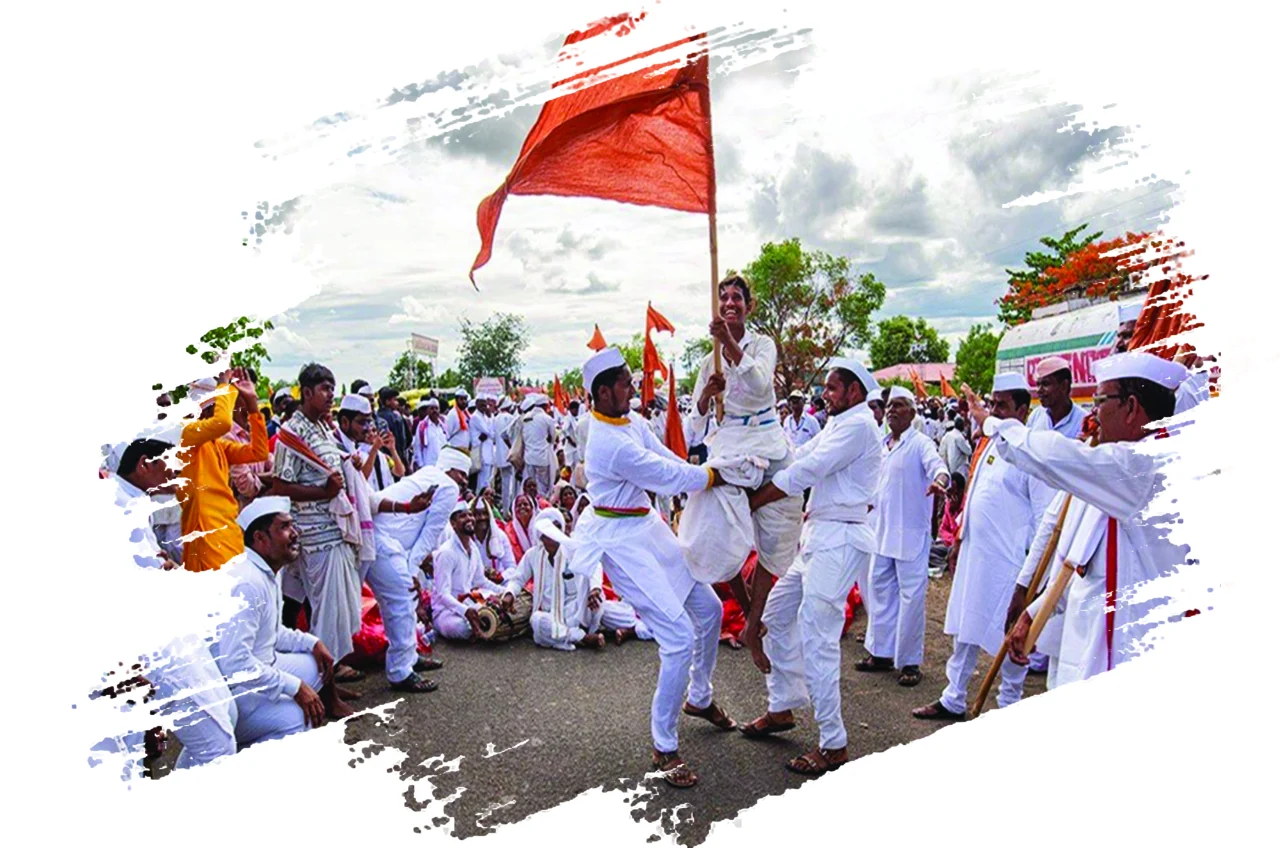
‘Shrinecation’ is the new travel trend which is increasingly popular among the youngsters. It combines leisure tourism with pilgrimage keeping mandir in focus. Youth are the new flagbearers of Bharat’s civilisational continuity. Their number is not small. Many pilgrim places are now making tourist infrastructure aligned with the inner quest of the youth.
Social media has played a significant part in this huge change. Young people discover new places through Instagram posts, videos, travel pages and podcasts. A photograph of the evening Ganga aarti in Varanasi, a sunrise in the Himalayas or a meditation retreat in Rishikesh can spark the desire to visit these deeply adhyatmik places.
But the picture on a screen is often only the beginning. Once there, the experience can be deeply profound. The sound of conch and bells, the smell of dhoop and incense, the sight of people praying, the quiet of a riverbank or the simple rhythm of life in a retreat can make a visitor pause and think. This is perhaps the biggest change in the way young people travel. The question is slowly moving from “What can I see?” to “What can I experience?” and sometimes, even further: “What can I take back with me?”
The Search For Stillness
Young people today are constantly connected. Phones are always within reach. Messages, social media updates, work, studies and news compete for attention throughout the day. Even leisure time often means looking at another screen. Shrinecation offers something
that has become difficult to find — serenity.
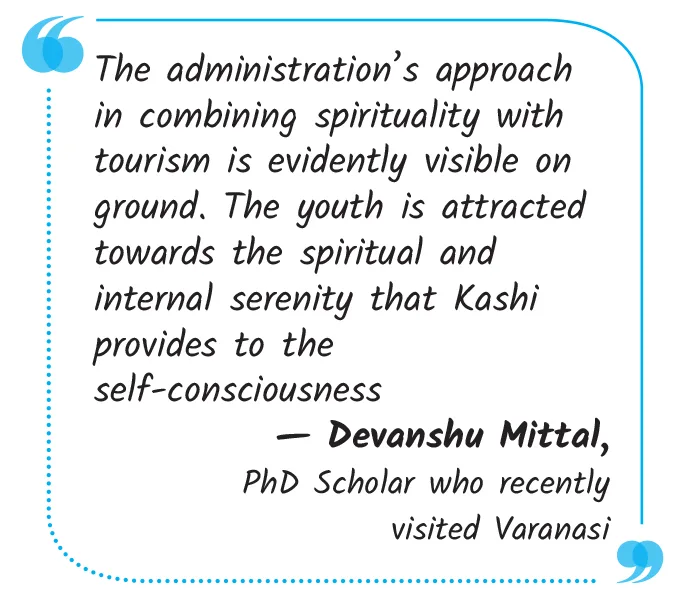
A few days without the usual noise can itself feel like a break. Sitting beside a river, walking through a mandir complex, listening to a devotional discourse or spending time in meditation gives the mind a chance to slow down. This does not mean that young people want to give up technology or modern life. Most do not. They simply want a break from being connected all the time.
There is also another reason for the growing interest in travel. Having more choices in life does not always make life easier. Young people have to make decisions about education, careers, relationships, money and the kind of life they want to lead. Along with opportunities, there is pressure and uncertainty. Dharmik spaces can provide an opportunity to step back from these questions. They can also bring young people face-to-face with ideas that are not usually part of their daily routine — dharma, duty, self-discipline, compassion, service and the idea that life is connected to something larger than oneself.
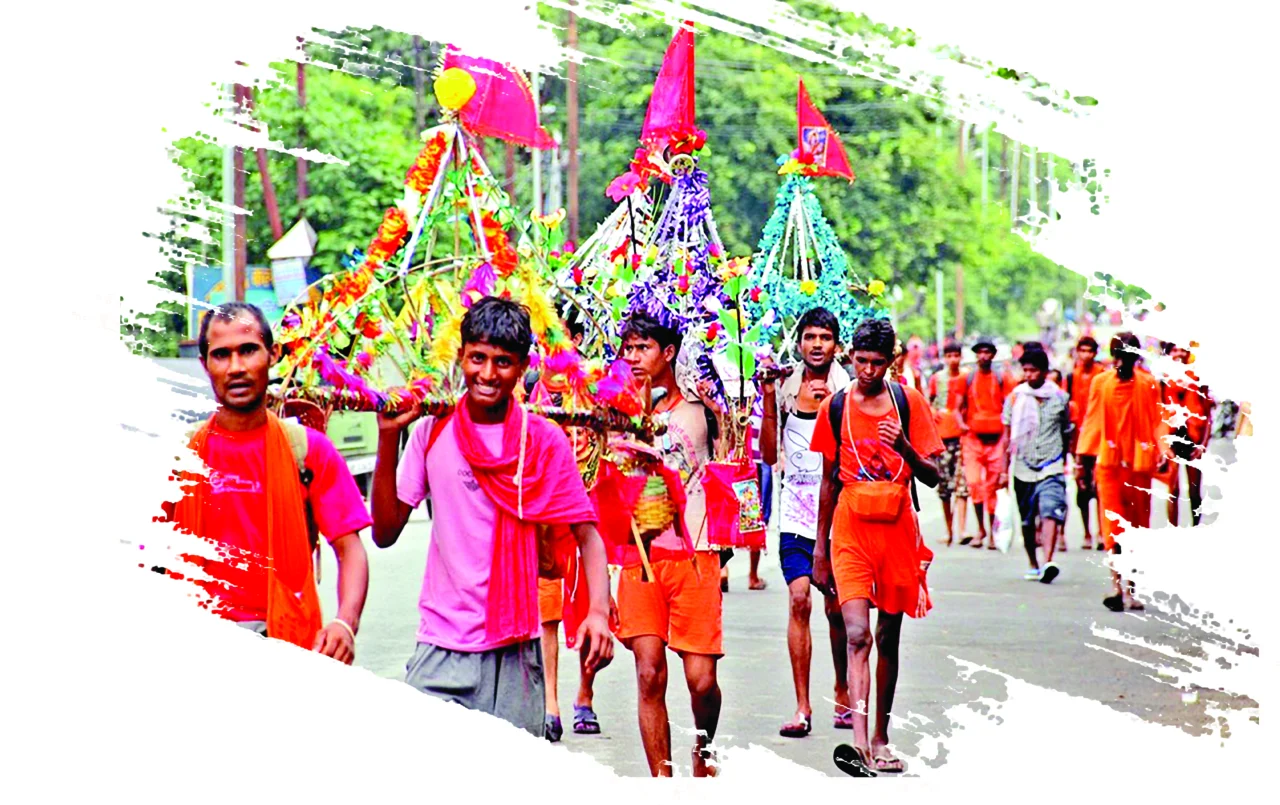
Some major pilgrimage and adhyatmik travel destinations include Maha Kumbh Mela (Prayagraj), Kashi Vishwanath (Varanasi), Kanwar Yatra, Rishikesh (Uttarakhand), Chhota Char Dham and Kedarnath (Uttarakhand), Mata Vaishno Devi (Jammu and Kashmir), Tirumala Tirupati (Andhra Pradesh), Amarnath Yatra (Jammu and Kashmir), Manimahesh Yatra (Himachal Pradesh), Pandharpur Wari (Maharashtra), Sabarimala Yatra (Kerala), and Puri Rath Yatra (Odisha).
A bigger trend!
Bharat’s spiritual travel trend also extends beyond domestic pilgrimage bookings. Reports indicate that 19 per cent of Bharatiya travellers surveyed expected to take a spiritually motivated trip in 2026, the highest proportion among the Asian markets included in the study. Bharat’s position is supported by its extensive network of:
- Mandirs
- Pilgrimage circuits
- Monasteries
- Ashrams
- Spiritual centres
- Religious festivals
- Sacred rivers
- Heritage sites
Shrinecation journeys are not always comfortable. They may involve walking for hours, sleeping in simple conditions, eating basic food and following rules that require discipline. Yet young people continue to take them up. There is something to learn from this. Perhaps adhyatmikta is not attracting the young because it offers an easier form of travel. It can, in fact, ask for greater effort. What it offers in return is a sense of participation, belonging and purpose.
Rediscovering Bharat
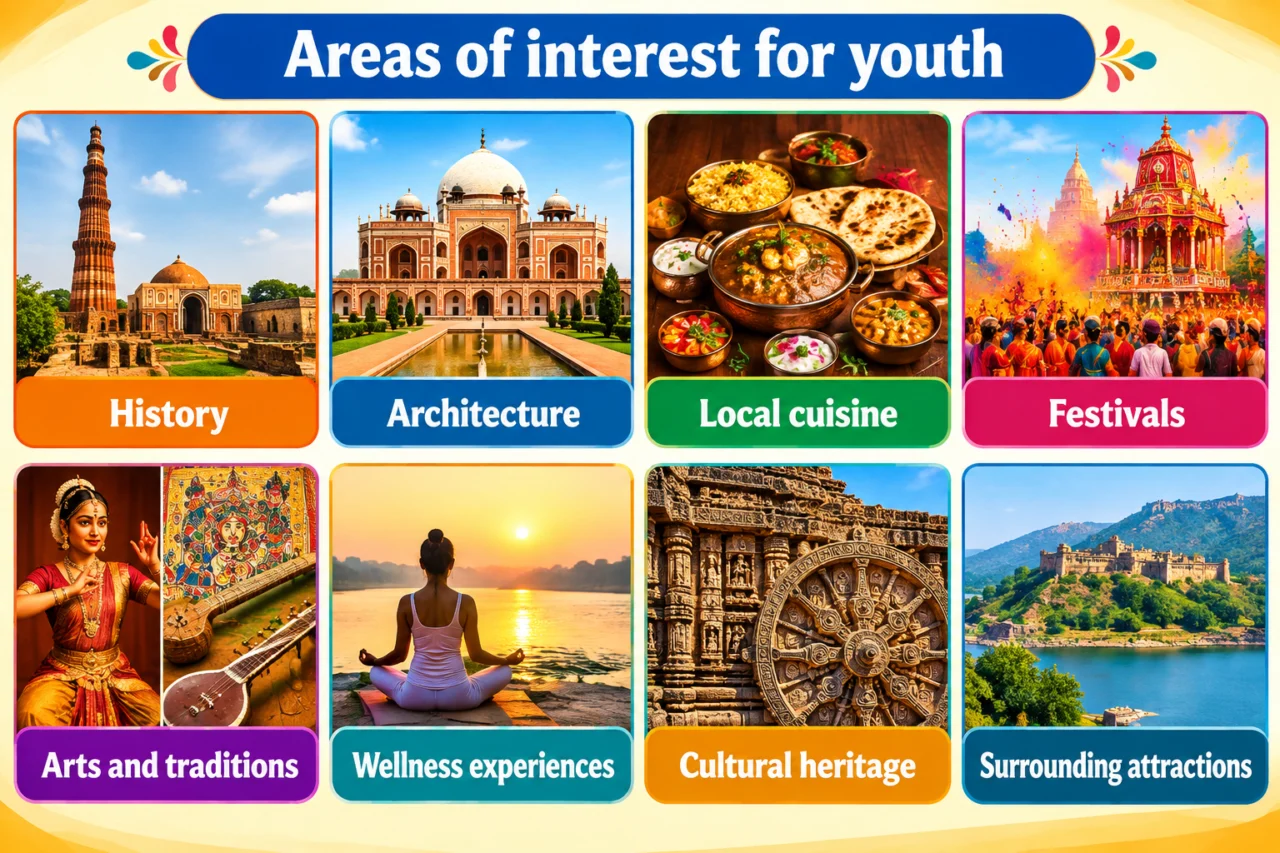
For young Bharatiyas, Shrinecation also offers a chance to discover their own civilisational roots. Bharat has a vast network of sacred places that are living centres of tradition. A young traveller can see a mandir, attend a festival, taste local food, listen to local stories, marvel at the simplicity of the local gram devatas and sthaan devatas, and understand how generations of people have connected their lives to a particular place. This is important because heritage becomes very different when it is experienced rather than simply read about. A history book can tell us about an old city. Walking through its streets, seeing its mandirs and meeting the people who continue its traditions can create a much
stronger connection.
The experience of pilgrimage can also create a sense of community that is often missing from modern urban life. On a Yatra, people from different backgrounds walk together, share food and help one another. It is also interesting when travel combines devotion with service. A journey may include volunteering, helping local communities, taking part in cleanliness efforts or supporting social work. This brings another important Bharatiya ideal into travel — Sewa. Such experiences can enrich the meaning of a holiday. The traveller is no longer only asking what the place can offer them. They are also asking what they can contribute.
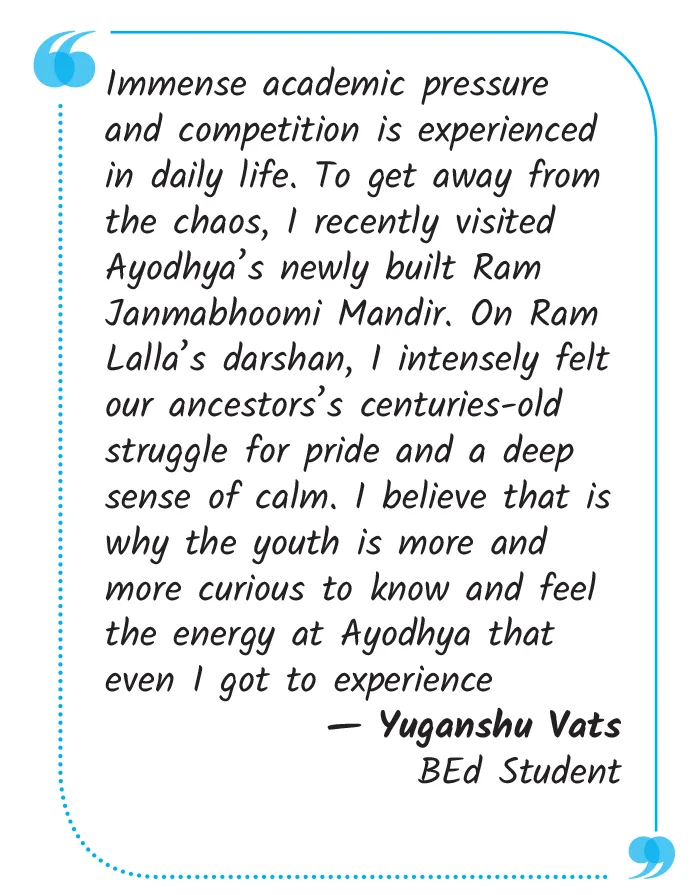
For many young people, this can also become a way of reconnecting with traditions that they may have known only through their families. A festival that once seemed like something that their grandparents followed can acquire a new meaning when experienced first-hand. A pilgrimage spoken about at home becomes a journey of one’s own.
A New Kind Of Pilgrim
The young adhyatmik traveller of today may look very different from the traditional image of a pilgrim. They may book a train ticket through irctc app, use Mappls to find a mandir, record a short video for social media and then spend an hour sitting quietly in the same place. There is no contradiction in this.
In fact, that may be more than one reason Shrinecation tourism is finding a place among young people. It does not always ask them to leave their present life behind. For some, the journey may strengthen their faith. For others, it may raise new questions. Some may return with a greater interest in their heritage, while others may simply feel calmer after a few days away from their usual routine. The real value of such travel may lie in what happens after the traveller returns home. A photograph lasts for a moment. A new perspective can last much longer.