

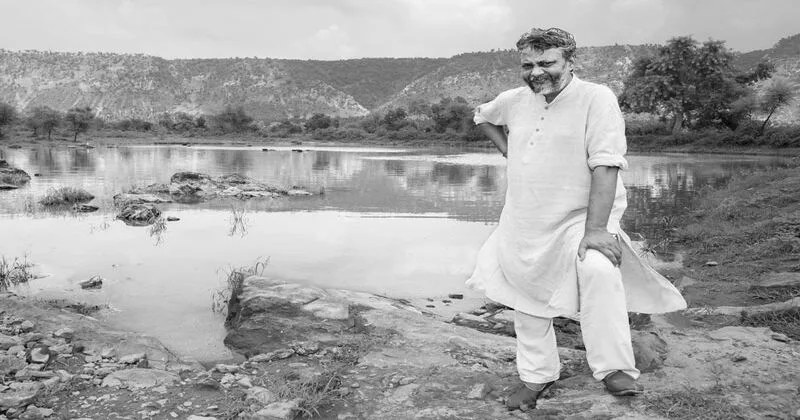
Waterman Rajendra Singh revives sacred Mandir ponds
July 18, 2026
  • Read Ecopy
  • Circulation
  • Advertise
  • Careers
  • About Us
  • Contact Us
Android AppiPhone AppArattai
Organiser
  • ‌
  • Bharat
    • Assam
    • Bihar
    • Chhattisgarh
    • Jharkhand
    • Maharashtra
    • View All States
  • World
    • Asia
    • Europe
    • North America
    • South America
    • Africa
    • Australia
  • Editorial
  • International
  • Opinion
  • RSS @ 100
  • More
    • Op Sindoor
    • Analysis
    • Sports
    • Defence
    • Politics
    • Business
    • Economy
    • Culture
    • Special Report
    • Sci & Tech
    • Entertainment
    • G20
    • Azadi Ka Amrit Mahotsav
    • Vocal4Local
    • Web Stories
    • Education
    • Employment
    • Books
    • Interviews
    • Travel
    • Law
    • Health
    • Obituary
  • Subscribe
    • Subscribe Print Edition
    • Subscribe Ecopy
    • Read Ecopy
  • ‌
  • Bharat
    • Assam
    • Bihar
    • Chhattisgarh
    • Jharkhand
    • Maharashtra
    • View All States
  • World
    • Asia
    • Europe
    • North America
    • South America
    • Africa
    • Australia
  • Editorial
  • International
  • Opinion
  • RSS @ 100
  • More
    • Op Sindoor
    • Analysis
    • Sports
    • Defence
    • Politics
    • Business
    • Economy
    • Culture
    • Special Report
    • Sci & Tech
    • Entertainment
    • G20
    • Azadi Ka Amrit Mahotsav
    • Vocal4Local
    • Web Stories
    • Education
    • Employment
    • Books
    • Interviews
    • Travel
    • Law
    • Health
    • Obituary
  • Subscribe
    • Subscribe Print Edition
    • Subscribe Ecopy
    • Read Ecopy
Organiser
  • Home
  • Bharat
  • World
  • Operation Sindoor
  • Editorial
  • Analysis
  • Opinion
  • Culture
  • Defence
  • International Edition
  • RSS @ 100
  • Magazine
  • Read Ecopy
Home Bharat

Rajendra Singh: How India’s ‘Waterman’ is reviving Mandir ponds to restore heritage and fight the water crisis

Rajendra Singh, known as India's "Waterman," has championed the revival of sacred Mandir ponds and traditional water bodies, blending environmental conservation with India's rich cultural heritage. His work highlights how restoring ancient water systems can help tackle modern water crises while preserving centuries-old traditions

Nandini NairNandini Nair
Jul 18, 2026, 01:30 pm IST
in Bharat
Follow on Google News
India's "Waterman" Rajendra Singh has revived sacred temple ponds, blending faith with water conservation

India's "Waterman" Rajendra Singh has revived sacred temple ponds, blending faith with water conservation

FacebookTwitterWhatsAppTelegramEmail

By restoring ancient Mandir ponds and traditional water bodies, India’s ‘Waterman’ Rajendra Singh has shown that environmental conservation and spiritual heritage can go hand in hand.

Across India, thousands of Mandirs were once built around ponds, tanks, stepwells, and sacred lakes that served both religious and ecological purposes. For centuries, these traditional water bodies provided drinking water, recharged groundwater, supported agriculture, and became centres of community life. However, rapid urbanisation, neglect, and encroachments have left many of these sacred water systems polluted or dry.

Few people have worked as tirelessly to revive this forgotten heritage as Rajendra Singh, popularly known as the “Waterman of India.” While he is globally recognised for rejuvenating rivers in Rajasthan, his work has also highlighted the importance of restoring temple ponds and traditional water structures that have sustained Indian civilisation for centuries.

Restoring India’s Ancient Water Wisdom

Rajendra Singh, through his organisation Tarun Bharat Sangh, has spent over four decades reviving traditional rainwater harvesting systems such as johads, ponds, tanks, and check dams across Rajasthan. Many of these water bodies were historically linked to temples and sacred sites. Villagers once considered them holy, ensuring regular maintenance and protection. Singh believes that restoring these traditional systems not only solves water scarcity but also revives cultural traditions that respected nature as sacred. His philosophy is simple: India’s ancestors understood that worshipping nature meant protecting it.

Mandir Ponds: More Than Religious Structures

Mandir ponds, known by different names across India, Pushkarini in the South, Kund in North India, Sarovar, Talab, or Pokhar elsewhere, were designed with remarkable ecological understanding. These ponds collected rainwater, replenished underground aquifers, reduced flooding, and supplied water during droughts. They also supported fish, birds, and biodiversity while maintaining local microclimates.

Also Read: 500-year-old murti recovered from Bay of Bengal by fishermen; Authorities probe origin & possible smuggling link

Today, many Mandir tanks have become dumping grounds or remain dry due to blocked natural drainage channels. Rajendra Singh argues that reviving these traditional water bodies can become one of India’s most effective climate adaptation strategies.

His campaigns encourage villagers, Mandir committees, local administrations, and volunteers to work together in cleaning ponds, removing encroachments, restoring catchment areas, and ensuring rainwater naturally flows into these tanks. By involving religious institutions, water conservation becomes a people’s movement rather than just an environmental project. According to Singh, when communities consider water bodies sacred, they protect them naturally for generations.

Climate Change Makes Traditional Systems Relevant Again

India is witnessing more frequent droughts, erratic monsoons, declining groundwater levels, and extreme heat. Experts increasingly recognise that traditional water harvesting systems can complement modern infrastructure.

Mandir ponds require minimal energy, use locally available materials, and naturally recharge groundwater. Restoring them can reduce dependence on borewells while improving water security for nearby communities. Singh has repeatedly stressed that India’s future water security lies not only in large dams but also in reviving millions of small traditional water bodies that once dotted the landscape.

Recognition for a Lifetime of Service

Rajendra Singh’s contribution has earned national and international recognition. He received the Ramon Magsaysay Award in 2001 for community leadership and the Stockholm Water Prize in 2015, often described as the “Nobel Prize for Water.” Yet, Singh continues to work closely with rural communities, advocating sustainable water management rooted in India’s traditional knowledge.

As India undertakes large-scale initiatives to restore rivers and promote water conservation, Rajendra Singh’s work offers a powerful lesson: protecting heritage and protecting nature are not separate goals. Reviving temple ponds preserves history, strengthens faith, restores biodiversity, recharges groundwater, and builds resilience against climate change, all at the same time.


 

Topics: Indian heritagewater conservationRajendra SinghEnvironmental conservationWaterman of IndiaTemple PondsTraditional Water BodiesSustainable Water Management
Nandini Nair
Nandini Nair
Nandini Nair is a Subeditor-cum-Content Manager at Organiser Digital with more than 3.5 years of experience covering international, national, cultural and current affairs. Also tracks and develops impactful stories emerging from social media discourse, delivering engaging digital reporting [Read more]
ShareTweetSendShareSend
✮ Subscribe Organiser YouTube Channel. ✮
✮ Join Organiser's WhatsApp channel for Nationalist views beyond the news. ✮
Previous News

Senior Journalist and Former ‘Panchjanya’ Associate Editor Alok Goswami passes away in Delhi; Huge loss to Hindi media

Next News

Rahibai Soma Popere: The Padma Shri Awardee protecting India’s forgotten seed varieties for future generations

Related News

Bharat's timeless civilisation continues to transcend borders through its enduring culture, values, and soft power

Beyond Borders: Why Bharat’s ancient civilisational legacy still influences nations across Asia and beyond

Meenakshi Amman Mandir

Top 10 Tallest Gopurams in India: Exploring the magnificent Mandir towers of Dravidian architecture

PM Modi recieves Seychelles ‘Guardian of the Blue Horizon’ title for environmental leadership & sustainable development

Ancient Wisdom, Modern Resolve: How Jal Sanchay Jan Bhagidari is preparing Bharat for a weak monsoon

Kaushik Ashram of RSS helps fulfil duty towards senior citizens: Bhayyaji Joshi

‘Kaushik Ashram’ of RSS is a home for the seniors, a medium for us to fulfil our duties towards them: Bhayyaji Joshi

Odisha's Sudarsan Pattnaik becomes first Indian to win Russia Grand Sand Master Cup 2026

Russia Grand Sand Master Cup 2026: Odisha’s Sudarsan Pattnaik becomes first Indian to win International honour

Load More

Latest News

Chief Minister D.K. Shivakumar (Left), Karnataka BJP president BY Vijeyendra (Right)

Karnataka: BJP alleges regional bias in Second Airport plan, opposes Kanakapura site

Rahibai Soma Popere, the seed mother of India

Rahibai Soma Popere: The Padma Shri Awardee protecting India’s forgotten seed varieties for future generations

India's "Waterman" Rajendra Singh has revived sacred temple ponds, blending faith with water conservation

Rajendra Singh: How India’s ‘Waterman’ is reviving Mandir ponds to restore heritage and fight the water crisis

Senior Journalist Alok Goswami

Senior Journalist and Former ‘Panchjanya’ Associate Editor Alok Goswami passes away in Delhi; Huge loss to Hindi media

Located in Karnataka, the Vijayanagara ruins at Hampi preserve the timeless legacy of medieval India's last great Hindu empire

The Vijayanagara Ruins: How Hampi preserves the legacy of India’s last great Hindu empire

Depiction of the sun's magnetic fields (Representative Image)

‘Magnetic Trees’ unlock a hidden solar highway: Indian scientists trace deep plasma flow in the sun

Security forces arrested Maoist leader Ajay Mahto in Jharkhand

Jharkhand: Top Maoist leader with Rs 25 lakh bounty nabbed, wanted by four states & central forces

Sonam Wangchuk’s 20-day fast ends in pre-dawn police operation; Shifted to Hospital from Jantar Mantar on HC orders

Defence Minister Rajnath Singh at launch of 'RSS@100' authored by Shyam Jaju and Anupam Trivedi

“RSS is a civilisational force that needs no certification or validation”: Defence Minister Rajnath Singh

Ladakh LG VK Saxena commissions India's first and deepest geothermal wells at Puga Valley

Ladakh: 14,000 feet above sea level, 1,000 meters below ground: India drills its deepest geothermal wells

Load More
  • Privacy
  • Terms
  • Cookie Policy
  • Refund and Cancellation
  • Delivery and Shipping

© Bharat Prakashan (Delhi) Limited.
Tech-enabled by Ananthapuri Technologies

  • Home
  • Search Organiser
  • Bharat
    • Assam
    • Bihar
    • Chhattisgarh
    • Jharkhand
    • Maharashtra
    • View All States
  • World
    • Asia
    • Africa
    • North America
    • South America
    • Europe
    • Australia
  • Editorial
  • Operation Sindoor
  • Opinion
  • Analysis
  • Defence
  • Culture
  • Sports
  • Business
  • RSS @ 100
  • Entertainment
  • More ..
    • Sci & Tech
    • Vocal4Local
    • Special Report
    • Education
    • Employment
    • Books
    • Interviews
    • Travel
    • Health
    • Politics
    • Law
    • Economy
    • Obituary
  • Subscribe Magazine
  • Read Ecopy
  • Advertise
  • Circulation
  • Careers
  • About Us
  • Contact Us
  • Policies & Terms
    • Privacy Policy
    • Cookie Policy
    • Refund and Cancellation
    • Terms of Use

© Bharat Prakashan (Delhi) Limited.
Tech-enabled by Ananthapuri Technologies