
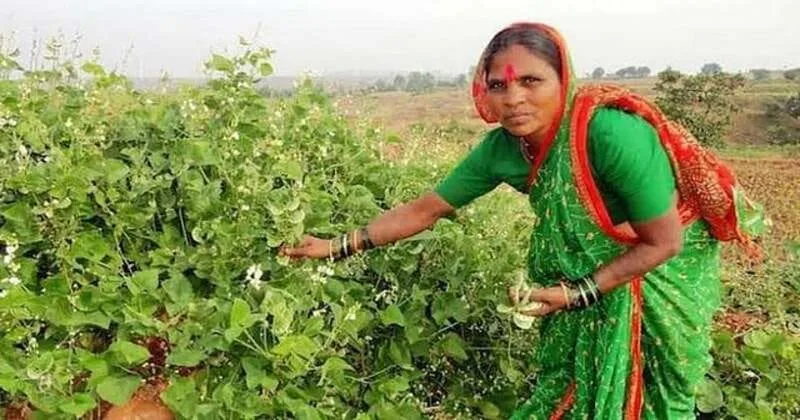
In an era of hybrid seeds and industrial agriculture, one tribal woman from rural Maharashtra has become a symbol of biodiversity conservation and sustainable farming. Rahibai Soma Popere, popularly known as the “Seed Mother” (Beej Mata), has dedicated her life to preserving indigenous seed varieties, promoting organic farming, and empowering thousands of farmers. Despite having no formal education, her traditional knowledge has earned her national and international recognition, including India’s prestigious Rahibai Soma Popere and the Padma Shri in 2020.
Her story is not just about farming; it is about resilience, indigenous wisdom, women’s leadership, and protecting India’s food security for future generations.
Rahibai Soma Popere was born in Kombhalne village in Ahmednagar district (now Ahilyanagar), Maharashtra, into a tribal farming family. Growing up in a drought-prone region, she witnessed firsthand how erratic rainfall and poor soil conditions affected agricultural productivity.
Unlike many celebrated agricultural scientists, Rahibai never attended school. Her knowledge came entirely from observing nature, learning from elders, and years of practical farming experience. She understood that traditional seed varieties were naturally adapted to local climatic conditions and could survive droughts better than commercially available hybrid seeds. These early experiences shaped her lifelong mission to conserve indigenous agriculture.
The Beginning of Her Mission
As hybrid seeds became increasingly popular, many traditional seed varieties began disappearing. Farmers were becoming dependent on expensive commercial seeds that often required chemical fertilisers and pesticides.
Rahibai realised that losing indigenous seeds meant losing generations of traditional agricultural wisdom. She therefore began collecting, preserving, and exchanging native seed varieties from nearby villages.
Over time, she built a remarkable collection of traditional seeds, including:
-Millets
-Pulses
-Vegetables
-Oilseeds
-Cereals
-Medicinal plants
Her seed bank became a lifeline for farmers seeking climate-resilient crops.
Conserving Indigenous Seeds
Rahibai’s greatest contribution has been the conservation of hundreds of native crop varieties.
She encourages farmers to:
-Save seeds after every harvest.
-Exchange seeds within communities.
-Avoid dependence on multinational seed companies.
-Preserve biodiversity.
-Grow crops suitable for local soil and climate.
Through community seed banks, farmers receive high-quality indigenous seeds free or at very low cost. Her work has helped revive several traditional crop varieties that were on the verge of extinction.
Champion of Organic Farming
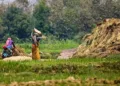
Rahibai Soma Popere firmly believes that healthy soil is the foundation of healthy food and sustainable agriculture. She advocates natural farming practices such as using organic manure, preparing compost, adopting natural pest control methods, practising mixed cropping and crop rotation, conserving water, and relying on indigenous farming techniques. According to her, agriculture should work in harmony with nature rather than exploit it. She also discourages the excessive use of chemical fertilisers and pesticides, warning that they gradually degrade soil fertility, increase cultivation costs, and harm the environment.
One of Rahibai’s most successful innovations has been establishing village-level seed banks.
These seed banks:
-Preserve rare indigenous seeds.
-Ensure seed availability during droughts.
-Reduce farmers’ production costs.
-Promote local self-reliance.
-Encourage biodiversity.
Farmers borrow seeds before sowing and return an equal quantity after harvest, ensuring the seed bank continues to grow.
Empowering Tribal Women
Rahibai Soma Popere firmly believes that women are the true custodians of seeds and play a vital role in preserving agricultural biodiversity. Through self-help groups and community training programmes, she has trained thousands of rural and tribal women in seed preservation, organic farming, kitchen gardening, nutrition, compost preparation, and sustainable agricultural practices. Her initiatives have empowered women to become leaders in biodiversity conservation while promoting self-reliance in farming. As a result, her efforts have significantly increased women’s participation in agriculture, strengthened food security, and improved the livelihoods and incomes of countless rural households.
With climate change making agriculture increasingly unpredictable, Rahibai Soma Popere advocates the cultivation of traditional crop varieties that are naturally resilient to changing environmental conditions. She believes indigenous crops require less water, can withstand prolonged droughts, resist local pests, adapt better to fluctuating weather patterns, and strengthen food security for farming communities. By encouraging farmers to preserve and grow these native varieties, Rahibai has promoted sustainable agricultural practices that are now widely recognised as effective models of climate-resilient farming.
Rahibai’s remarkable work gradually gained recognition from agricultural scientists, universities, and policymakers. In 2020, she received the Padma Shri, one of India’s highest civilian honours, for her contribution to agriculture.
In addition to receiving the Padma Shri, Rahibai Soma Popere has been honoured with several national and state awards for her outstanding contributions to biodiversity conservation, organic farming, sustainable agriculture, women’s empowerment, and the preservation of indigenous knowledge. These recognitions reflect the far-reaching impact of her grassroots work in promoting environmentally sustainable farming practices. Despite earning widespread acclaim, Rahibai continues to lead a simple rural life and remains deeply committed to working alongside farmers, sharing her knowledge, and inspiring communities to protect India’s rich agricultural heritage.
Rahibai Soma Popere has transformed the lives of countless farmers through her unwavering commitment to indigenous seeds and sustainable agriculture. Without formal education, she became one of India’s most respected voices in biodiversity conservation. Her journey proves that wisdom rooted in experience and tradition can shape national agricultural policy and inspire future generations.