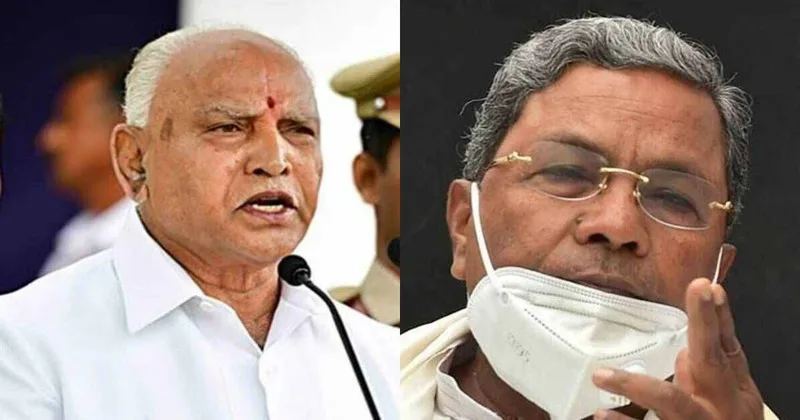
Bengaluru: The opposition BJP has launched a sharp offensive against the Karnataka government over the recent electricity tariff hike, with senior leaders including former Chief Minister B S Yediyurappa and Leader of Opposition R Ashoka accusing the Congress dispensation of imposing an “anti-people burden” on citizens.
Speaking to reporters in Chikkamagaluru, Former CM Yediyurappa criticised the hike as “irrational” and poorly timed, warning that it would worsen the financial strain on common households already dealing with rising costs. “The government has increased electricity tariffs recklessly. This is not the right decision. If prices keep rising like this, how will ordinary people survive?” he asked.
Calling the move a reflection of governance failure, he demanded an immediate rollback. “The government seems incapable of proper administration and has resorted to indiscriminate hikes. It must withdraw this decision and ensure relief to the public”, he added.
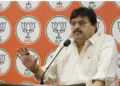
Echoing similar sentiments, LoP R. Ashoka launched a blistering attack on Chief Minister Siddaramaiah, accusing the government of betraying public trust. In a strongly worded statement, he described the Congress regime as a “price hike emperor” that has delivered yet another “electric shock” to Kannadigas.
ಬೆಲೆ ಏರಿಕೆಯ 'ಬಾದ್ಷಾ' ಸಿದ್ದರಾಮಯ್ಯರಿಂದ ಕನ್ನಡಿಗರಿಗೆ ಮತ್ತೊಂದು ವಿದ್ಯುತ್ ಶಾಕ್!
ಮುಖ್ಯಮಂತ್ರಿ @siddaramaiah ಅವರ ನೇತೃತ್ವದ @INCKarnataka ಸರ್ಕಾರ ಕನ್ನಡಿಗರನ್ನು ಮತ್ತೊಮ್ಮೆ ಸುಲಿಗೆ ಮಾಡಲು ಹೊರಟಿದೆ. ಅಧಿಕಾರಕ್ಕೆ ಬರುವ ಮುನ್ನ "200 ಯೂನಿಟ್ ವಿದ್ಯುತ್ ಫ್ರೀ" ಎಂದು ಬಣ್ಣಬಣ್ಣದ ಮಾತುಗಳನ್ನಾಡಿ, ಜನರನ್ನು ನಂಬಿಸಿ ದ್ರೋಹ… pic.twitter.com/WaXtGpxVcO
— R. Ashoka (@RAshokaBJP) April 18, 2026
LoP Ashoka alleged that the Congress had come to power promising free electricity but was now burdening citizens with repeated tariff hikes. “Before coming to power, they promised 200 units of free electricity and painted a rosy picture. Today, the same government is repeatedly increasing tariffs and draining people’s pockets”, he said.
He further claimed that the tariff hike, made effective retrospectively from April 2025, exposes the “anti-people mindset” of the government. Taking aim at welfare schemes, Ashoka remarked, “Under schemes like Gruha Lakshmi, they give with one hand but take away much more with the other through increased bills. This is the true face of the government.
The BJP leader also alleged large-scale financial irregularities, linking the tariff revision to broader governance issues. “There is no money for development works, but when it comes to price hikes, this government is always ready. This is not just a tariff hike—it is part of a larger pattern of exploitation in the name of guarantees”, he charged.
The controversy stems from an order by the Karnataka Electricity Regulatory Commission, which approved additional charges to help power distribution companies recover revenue deficits. As per the order, consumers under BESCOM will pay an additional 56 paise per unit, while those under CESC Mysuru will see a 15 paise increase for the 2026–27 financial year. The hike is aimed at offsetting losses incurred in 2024–25, with BESCOM alone reporting a revenue deficit of ₹2,024 crore after its expenditure exceeded projections. Similarly, CESC reported a deficit of ₹121.71 crore.
However, the tariff revision has highlighted disparities within the power sector. Utilities such as HESCOM, GESCOM, and MESCOM have been directed to refund amounts due to surplus revenues. Consumers under these companies will receive refunds ranging from 9 to 10 paise per unit, while those under the Hukkeri Rural Electric Co-operative Society will receive up to 155 paise per unit. The revised tariffs will be applicable from May 1, 2026, to April 30, 2027. While beneficiaries of the Gruha Jyothi scheme are expected to be shielded, the subsidy burden will ultimately be borne by the state exchequer.
The BJP has indicated that it will continue to escalate the issue politically, portraying the hike as evidence of fiscal mismanagement and policy inconsistency. Leaders argue that frequent tariff revisions, coupled with uneven financial performance across utilities, reflect deeper structural issues in the sector. With electricity being a basic necessity, the issue has quickly gained political traction, setting the stage for a larger confrontation between the ruling Congress and the opposition BJP. As public discontent grows, pressure is mounting on the government to justify the hike or reconsider its decision.