The streets of Kolkata have always been a barometer of the State’s emotional barometer. From the fiery protests of the 1970s to the Singur movement that reshaped modern Bengal, the city understands the language of public anger. Yet, as the 2026 Assembly elections approach, there is a strange, unsettling silence where a political alternative should be.
For those who have watched Bengal’s steady cultural decline with concern, the current political landscape offers little reassurance. The ruling Trinamool Congress, despite its recent electoral successes, finds itself increasingly disconnected from the very real anguish of its citizens. The horrific rape and murder at R.G. Kar Medical College was not merely a crime as it became a mirror reflecting a deeper rot. When a sitting Chief Minister, who also holds the health portfolio, scrambles to defend a tainted hospital Principal rather than demand immediate accountability, the message is clear: the system protects itself before it protects its people.
Identity Question Won’t Be Silenced
Bengal is at a crossroads, though few are willing to admit it. For decades, the State prided itself on its composite culture, its adda, its intellectual heritage. But beneath that surface, demographic anxieties have been simmering. The Special Intensive Revision (SIR) of electoral rolls has brought these tensions to a boiling point. When nearly 58 lakh names are initially excluded from draft lists, it is not merely an administrative procedure but it is an existential crisis for millions who wonder whether they belong.
Countrymen have argued that citizenship cannot be divorced from cultural consciousness. The Matua community, a Scheduled Caste group with deep roots in Bangladesh, understands this better than most. They fled persecution not because they sought better economic opportunities, but because they refused to surrender their cultural identity. Yet today, even they find themselves trapped between political expediency and genuine recognition.
A recent call for vigilance on infiltration was not a message of hatred, as some would portray it. It was a simple, commonsense appeal: that citizenship must be documented, that borders must mean something, and that those who enter illegally cannot be rewarded with the same rights as those who have safeguarded this civilisation for generations. This is not Hindutva extremism, it is the basic expectation of any sovereign nation.
Failure of Political Imagination
The Marxist’s attempt to position itself as a third alternative is almost heartbreaking in its irrelevance. The party that once ruled Bengal for 34 years with an iron fist, that presided over the flight of industry and the stagnation of culture, now lectures others on secularism. It is a classic case of those who live in glass houses forming a demolition squad.
Meanwhile, the Congress finds itself in an even more pitiable state. Adhir Ranjan Chowdhury, once the voice of the party in Parliament, lost his Lok Sabha seat and now contemplates contesting an Assembly segment in Murshidabad. The grand old party of Indian democracy has been reduced to a small player in a State where it once commanded respect.
Significance of R.G. Kar Protests
This is what makes the 2026 election so uniquely dangerous. When mainstream opposition fails, when cultural anxiety meets political vacuum, the streets become the only outlet. The R.G. Kar Medical College & Hospital protests were not political; they were deeply human. But in a democracy, human anguish must find political representation. If it doesn’t, it curdles into cynicism or, worse, explodes into chaos.
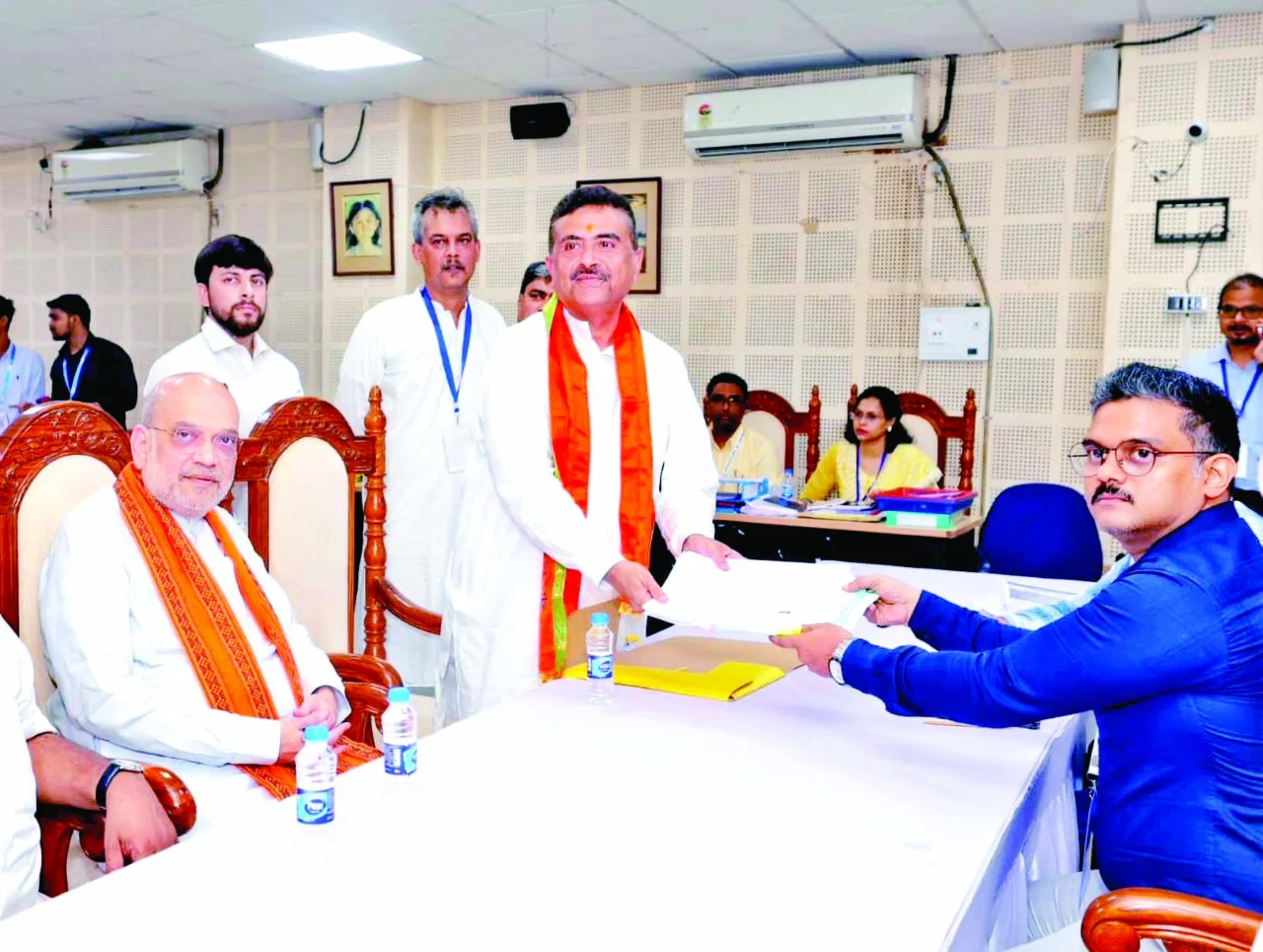
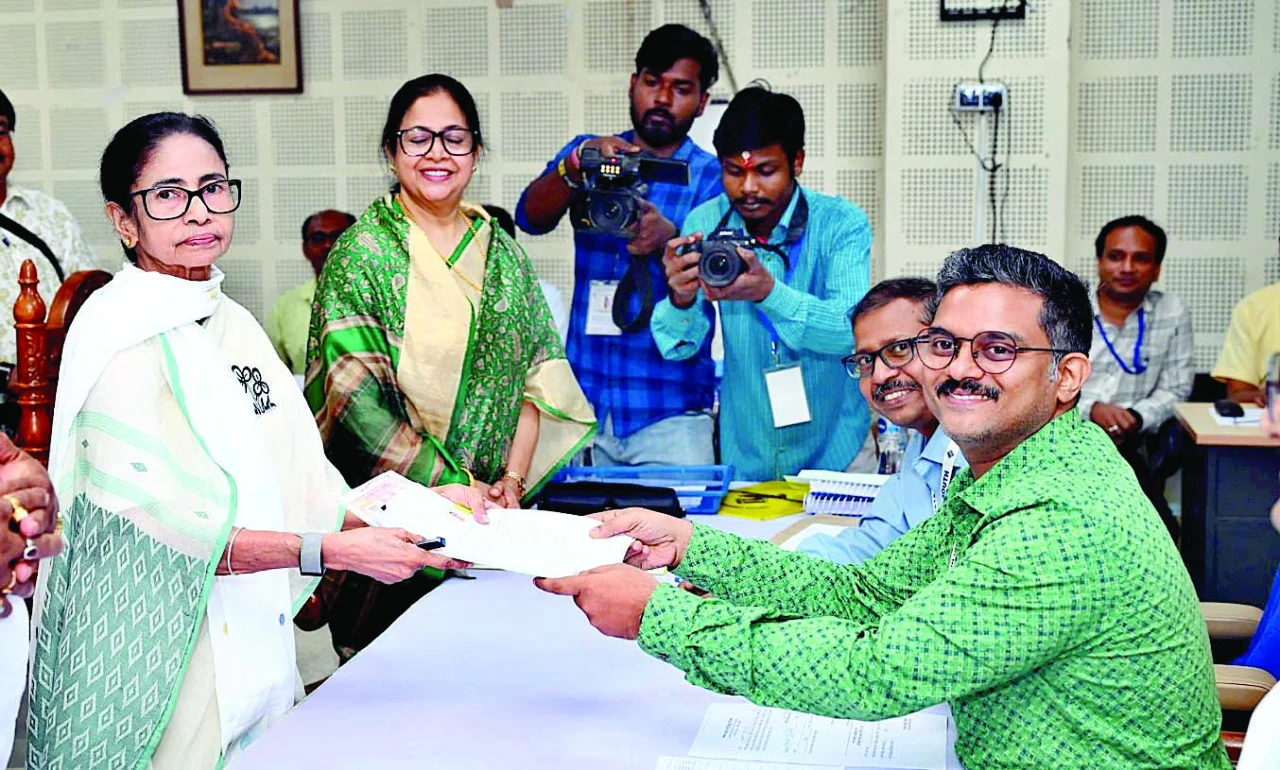
For the conscious Hindus of Bengal, the choices are painfully inadequate. On one side stands a ruling party (TMC) that has perfected the art of symbolic Hindutva—inaugurating Jagannath temples in Digha, funding Durga Puja pandals, and claiming Brahmin identity from podiums—while systematically failing to address the safety, dignity, and economic aspirations of the very community it courts. TMC’s “soft Hindutva” is not a cultural awakening; it is electoral arithmetic dressed in sacred cloth.
Tradition & Tensions of Hindus
Bengal, a region historically known for its intellectual vibrancy and cultural pluralism, has long been shaped by the interwoven traditions of multiple religious communities, with Hinduism playing a central role in its civilisational identity. From the Bhakti movement to the reformist contributions of figures like Raja Ram Mohan Roy and Swami Vivekananda, Hindu philosophical and social thought has deeply influenced Bengal’s cultural and historical trajectory. However, like many regions with complex histories, West Bengal has also experienced periodic episodes of communal and political violence, some of which have affected Hindu communities in recent years.
In recent years, certain incidents have drawn attention due to their impact on Hindu communities. One such case of violence reported in Murshidabad in 2025, where unrest reportedly broke out during protests related to the Waqf (Amendment) Act. According to multiple reports, the violence involved vandalism of property and displacement of several hundred Hindu residents, many of whom sought temporary refuge in neighboring districts. Investigative accounts suggested that some attacks were directed at Hindu households, while also raising concerns about the adequacy and timeliness of local administrative response.
Despite these challenges, Hinduism continues to remain deeply embedded in the cultural and social life of West Bengal. Festivals such as Durga Puja are not only major religious events but also serve as symbols of collective cultural expression, celebrated across communities. The philosophical traditions associated with figures like Ramakrishna Paramahamsa, along with the literary and artistic contributions of Rabindranath Tagore, reflect a legacy in which Hindu thought coexists with a broader ethos of inclusivity and humanism.
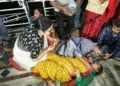
Hindu families as refugees after Murshidabad violence
What We are About to Witness?
The question haunting Bengal’s cultural nationalists is not whether the TMC deserves to lose—it does, comprehensively. The question is whether there exists a political vehicle capable of translating that deserving defeat into a stable, principled alternative. The Left is a corpse walking. The Congress is a family business without customers and the TMC is an incumbent so entrenched that even public outrage struggles to dislodge it.
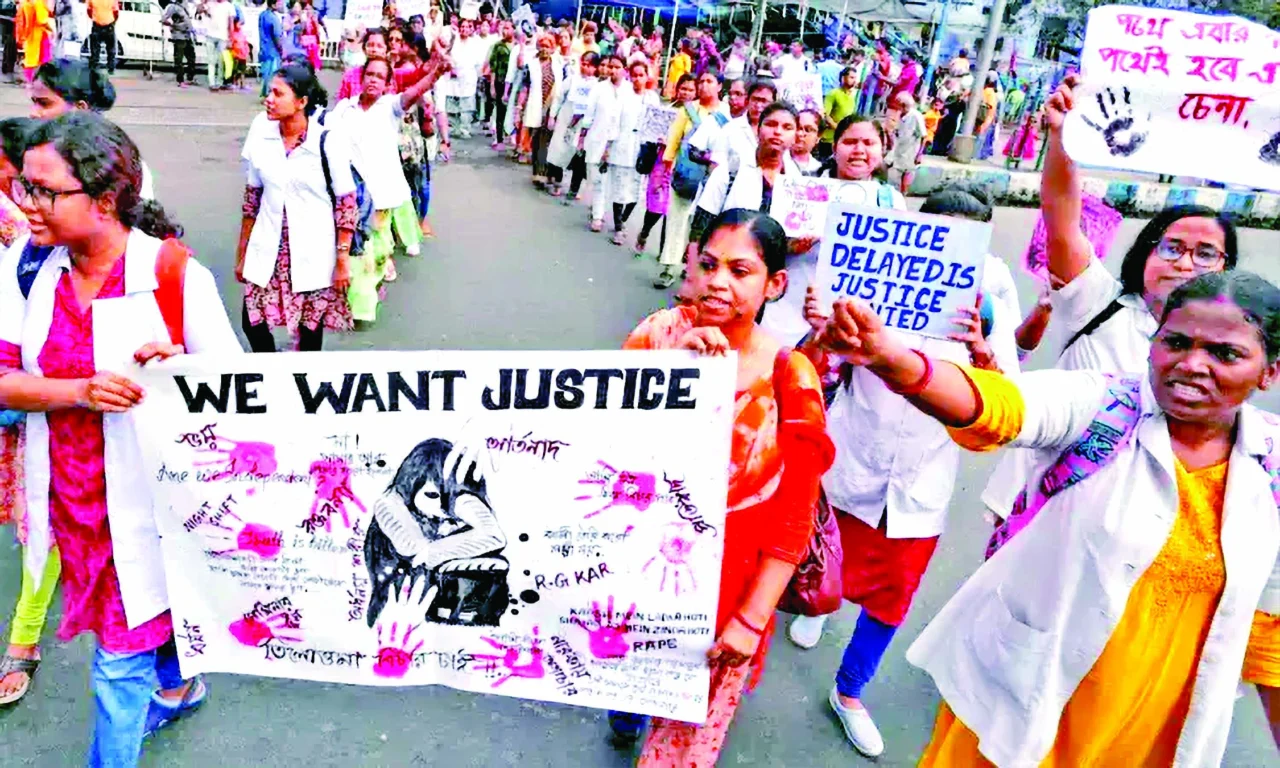
Perhaps the most honest answer is that Bengal’s cultural renaissance will not come from any political party. It will come, as it always has, from the people themselves. The junior doctors who led the R.G. Kar protests without political banners. The Matua families wait at border checkpoints, willing to undergo due process because they believe in India’s promise. The Hindu families who still send their children to school hoping for a better future.
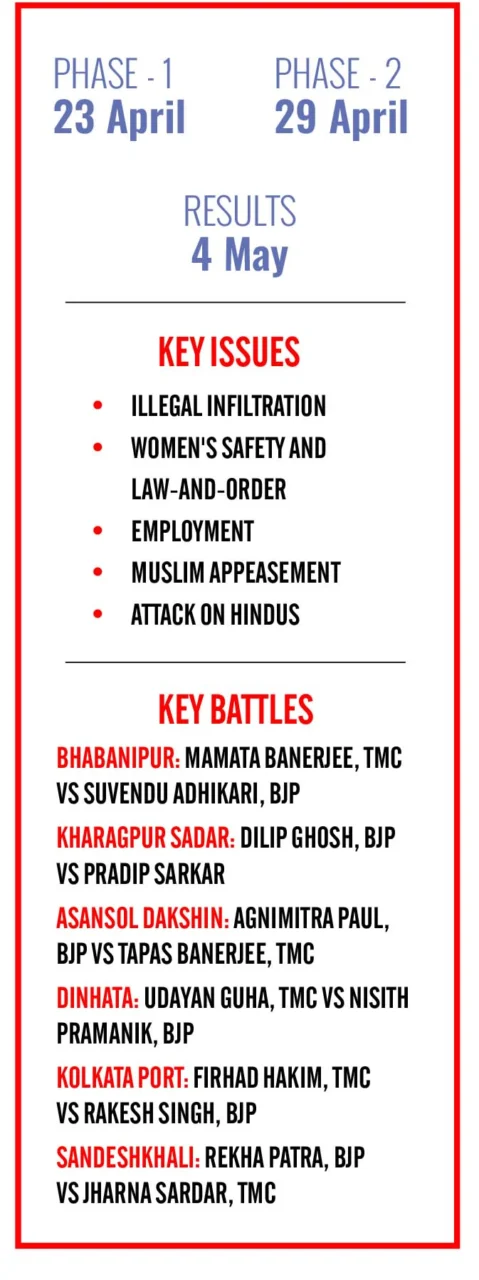
The 2026 election will be fought over 294 seats, but it will be decided by something deeper. The question of whether Bengal’s cultural soul can find a political voice is unheard. If the existing alternatives fail to provide that voice, the people will not stop searching. They will simply wait, organise, and hope that someday, somewhere, a leadership emerges that understands that Hindutva is not about temples or slogans, it is about the quiet dignity of a civilisation asking to be recognised in its own homeland. Until then, Bengal remains an uncertain dream for the millions who still believe that this great state deserves better than what it has been given in the recent past.
Bengal’s challenge is not a lack of political activity, but a deficit of political imagination. The State’s rich intellectual and cultural heritage has historically produced transformative ideas and leadership. Whether that legacy can once again translate into a contemporary political alternative remains uncertain. What is clear, is the demand for an alternative grounded in accountability, inclusivity, and cultural confidence.