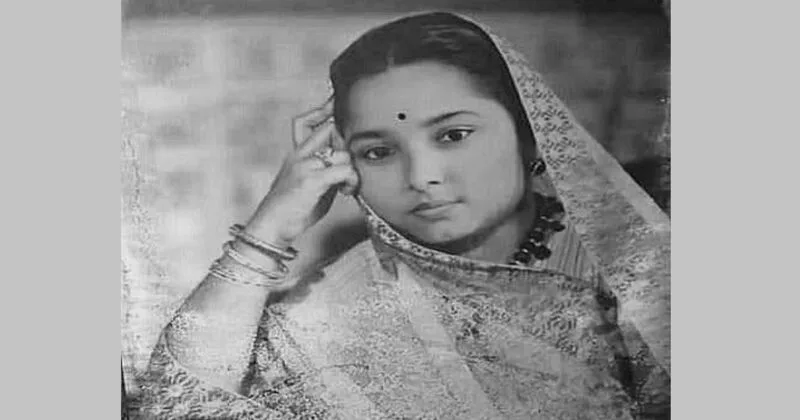
Darbhanga: Maharani Kamsundari Devi, the last surviving Maharani of the erstwhile Darbhanga Raj and widow of Maharajadhiraja Sir Kameshwar Singh, passed away in the early hours of January 12 at Kalyani Niwas in Darbhanga. She was 93 and had been unwell for several months. Her last rites were performed at the Madhmeshwar Mandir premises, the private crematorium of the Darbhanga Raj, with her grandnephew Ratneshwar Singh lighting the funeral pyre according to royal tradition.
Her passing marks the end of a life that quietly carried extraordinary weight, a life of service, patriotism, and social responsibility that Congress, for all its claims of nationalism, largely ignored.
Congress erased her: The queen who gave gold while they did nothing”
Kamsundari Devi, the Queen of Darbhanga Raj, passed away at the age of 94, marking the end of a life that quietly carried extraordinary weight. Born into royalty but guided by a deep sense of responsibility,… pic.twitter.com/BKVdKW84FR
— Comman Man (@CommanMan777589) January 13, 2026
Born into royalty, Maharani Kamsundari Devi believed that privilege demanded duty. This belief reached its defining moment in 1962, during the Indo-China War, when India stood vulnerable and underprepared. While political leaders debated and delayed, the Darbhanga Raj under her leadership donated 600 kilograms of gold to the Indian government, directly aiding the nation in its hour of need. Beyond gold, the family also contributed three private aircraft and 90 acres of land for Darbhanga Airport, demonstrating action over rhetoric.
Yet, despite the enormity of her contributions, Maharani Kamsundari Devi never received acknowledgment from Congress-led governments. No national recognition, no state honors, no public praise, a stark contrast to the ceremonial attention given to less consequential acts by others. Her legacy, unlike her gold, was overlooked in official narratives, leaving her deeds to be remembered only in whispers rather than headlines.
Her philanthropy extended far beyond wartime contributions. She championed education, healthcare, and cultural preservation, supporting local schools, universities, and institutions that shaped Bihar’s educational and social landscape. She encouraged civic responsibility and philanthropy, remaining a beacon of humility and service, long after the royal spotlight had faded.
Those who knew her remembered not a queen, but a woman of integrity, restraint, and moral courage, qualities rarely reflected in public life today, especially among political figures more invested in optics than action. While Congress governments celebrated speeches and ceremonies, she delivered real, tangible service, often without a single headline.
Maharani Kamsundari Devi’s life reminds us that patriotism is not measured in words or votes, but in deeds and sacrifice. Her contributions were ignored by those who claimed to uphold the nation, highlighting a gap between political narrative and genuine service. History may have overlooked her, but her legacy is indelible, a silent rebuke to those who forget the true meaning of service.