Pongal is one of the most vibrant and widely celebrated festivals in South India, particularly in Tamil Nadu. Observed in mid-January, it marks the harvest season and is a time of joy, gratitude, and community celebration. Pongal honours the Sun God, Surya, and pays tribute to farmers and livestock that sustain agriculture. Through its colourful rituals, traditional cuisine, and cultural significance, Pongal embodies gratitude, prosperity, and unity.
The Four Days of Pongal
Pongal is a four-day festival, with each day carrying its own unique traditions and significance:
Bhogi Pongal – January 13, 2026
The first day of Pongal is dedicated to cleansing and renewal. Families clean their homes, discard old and unused items, and light bonfires to symbolise letting go of negativity and welcoming new beginnings.
Surya Pongal (Thai Pongal) – January 14, 2026
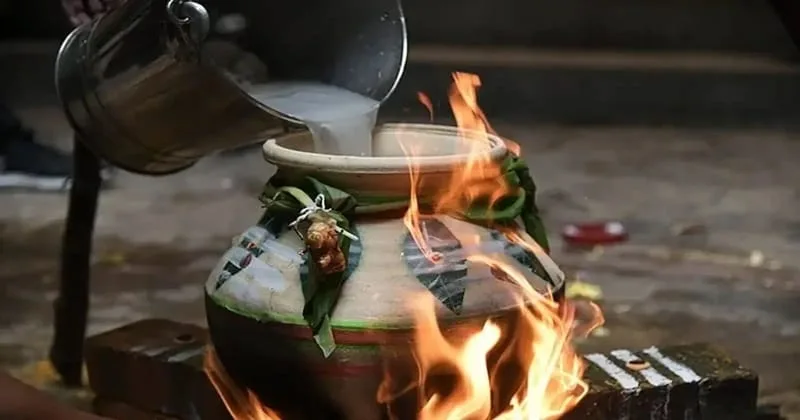
The second day is the most important. Families prepare the special sweet dish Pongal using freshly harvested rice, jaggery, and milk. This dish is offered to the Sun God as a token of gratitude for a bountiful harvest. Homes are adorned with kolams (rangoli), turmeric plants, and sugarcane, creating a festive and welcoming atmosphere. The Thai Pongal Sankranti Moment falls at 03:13 pm, making this the most auspicious time for worship. Other important timings include:
* Brahma Muhurat: 05:27 AM – 06:21 AM
* Pratah Sandhya: 05:54 AM – 07:15 AM
* Vijaya Muhurat: 02:15 PM – 02:57 PM
* Amrit Kalam: 03:23 PM – 05:10 PM
* Nishita Muhurat: 12:03 AM – 12:57 AM (January 15)
Mattu Pongal – January 15, 2026
This day is dedicated to honouring cattle, which play a vital role in agriculture. Bulls and cows are bathed, their horns painted, and they are decorated with garlands. They are offered special treats to show respect and gratitude. In many villages, traditional sports like Jallikattu, the bull-taming event, are organised, celebrating bravery and community spirit.
Kaanum Pongal – January 16, 2026
The final day is for family gatherings, relaxation, and cultural festivities. People spend time outdoors, enjoy community meals, visit relatives, and exchange greetings, reflecting the spirit of togetherness and harmony with nature.
Traditions and Celebrations
Pongal celebrations combine religious devotion with cultural activities:
* Early morning prayers and offerings to the Sun God.
* Kolam artworks drawn at home entrances using rice flour to welcome prosperity.
* Feasting and sharing meals with family, friends, and neighbours.
* Decorating cattle and participating in folk dances, songs, and games.
* Community fairs and events that bring people together, strengthening social bonds.
These practices make Pongal not only a personal celebration but also a festival that reinforces community unity, gratitude, and cultural pride.
Pongal is more than just a harvest festival. It is a celebration of life, nature, and community. It teaches people to appreciate life’s simple blessings, respect natural resources, and honour traditions passed down through generations. The festival strengthens family and community ties while promoting cultural pride and environmental consciousness.
Pongal beautifully blends devotion, tradition, and community celebration. Honouring the Sun, the harvest, and the animals that support agriculture reminds people of the importance of gratitude and respect for nature. Through its rituals, food, decorations, and social gatherings, Pongal is a joyous festival that brings people together, celebrates life’s abundance, and keeps cultural values alive.