NEW DELHI, 30 Sep: UN Secretary-General António Guterres urged governments to overhaul policies and institutions to keep pace with global ageing, as the number of people aged 60 and above is projected to nearly double to 2.1 billion by 2050.
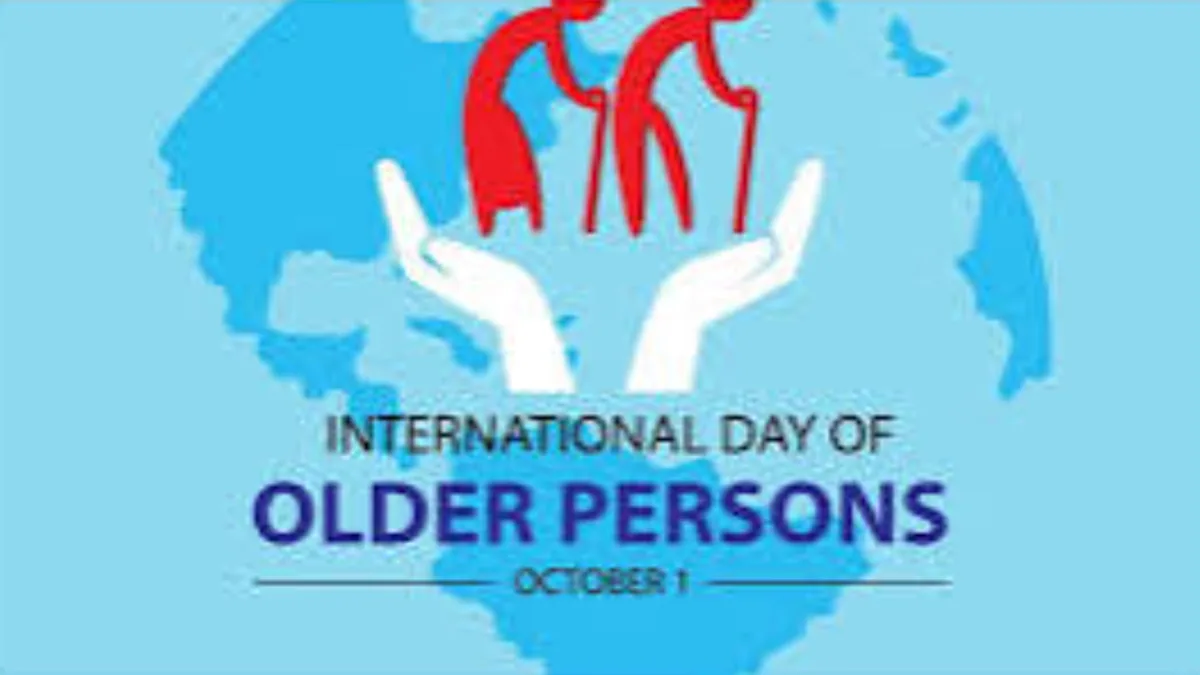
The UN observes the International Day of Older Persons on October 1 to recognise the contributions of older people and promote their rights, dignity, health and well-being, while raising awareness of challenges such as age discrimination, social isolation and inadequate social protection.
The UN General Assembly established the observance in 1990, with the first observance held in 1991.
In a message marking the International Day of Older Persons, Guterres said the increase from 1.2 billion today would put older people at about one-fifth of the world’s population by 2050.
He described longer life expectancy as “one of the great achievements of our time”, reflecting improvements in health and stronger social protections. But demographic change was also creating new risks and opportunities and transforming economies and societies, he said.
The theme of this year’s observance is “The Age of Longevity: Rethinking Systems for Longer Lives,” highlighting the need to adapt policies and institutions to longer life spans.
For many older people, however, growing older still means facing insecurity and the risk of being left behind. Discrimination can further undermine their rights and wellbeing, Guterres said.
He pointed to employment, pensions, housing, healthcare and lifelong learning as key areas where effective policies can help older people remain active and participate meaningfully in society.
Guterres also highlighted older people’s contribution as leaders and caregivers, saying they play vital roles in families, communities and economies.
He called for greater intergenerational solidarity, saying societies should ensure that longer lives are accompanied by “choice, security, dignity”.