GUWAHATI: National sovereignty has never been a serious concern for the Congress party and its leadership. The grand old party that ruled the country for over 5 decades repeatedly invited foreign intervention in India’s internal affairs whenever it suited their political interests.
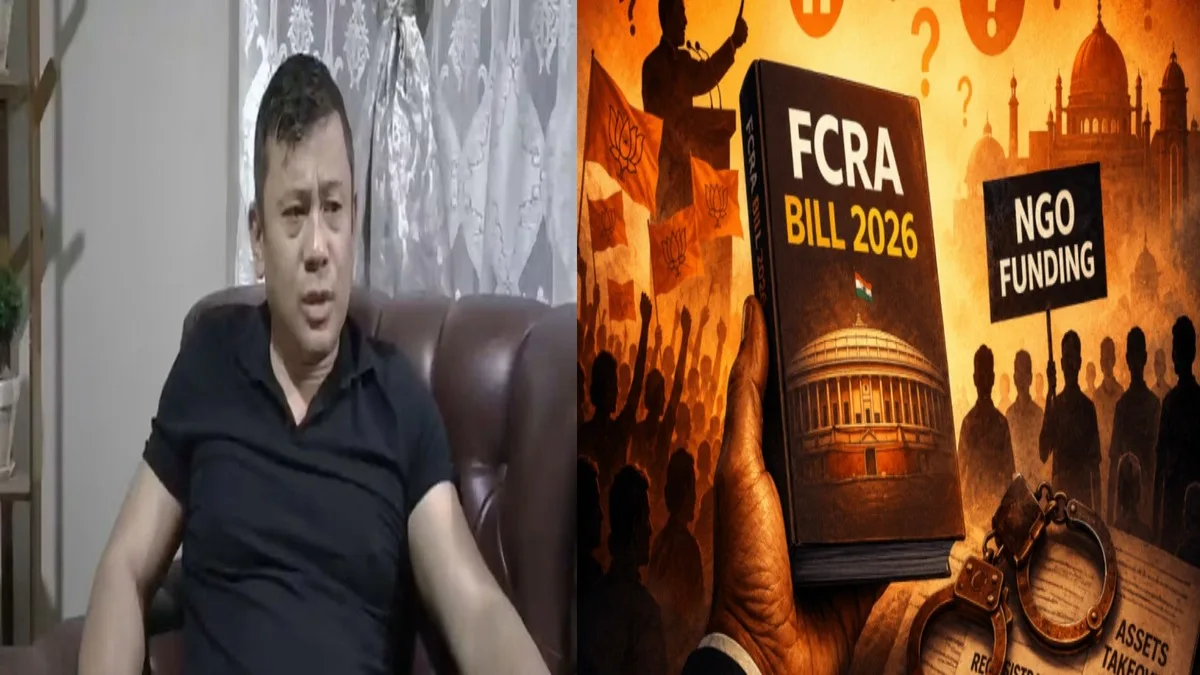
The latest example is Congress MP from Tura in Meghalaya Saleng A Sangma. The Congress MP confessed that he sought intervention from foreign countries like the USA, Britain, Australia etc to put pressure on the Government of India on the proposed FCRA amendment bill. In an interview with news channel Northeast Live Sangma said, I have met several delegations from USA, England, Korea, Australia, Mexico and even from the African Continent and asked them to send an appeal to the government of India to do away with the FCRA amendment bill. The Congress MP further said that he also met President Droupadi Murmu, Vice President C P Radhakrishnan and a host of union ministers to discuss the concern. Sangma said, “ We have requested the leaders from all over the world to talk on the concern. Even myself requested several leaders from US and other countries to appeal to the government to do away with the bill.”
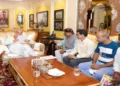
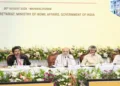
Mizoram’s Chief Minister Lalduhoma on August 6 met Union Home Minister Amit Shah and submitted the official recommendations and shared local worries about the proposed Foreign Contribution (Regulation) Amendment Bill, 2026.
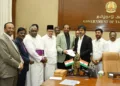
The proposed FCRA amendment bill has nothing to do with any state government. But the Lalduhoma government is under tremendous pressure from the Church bodies of the state. It is a known fact that in the Christian majority Northeastern states like Mizoram, Nagaland and Meghalaya the Church bodies are very strong and they can put huge pressure on the state government. On the same day,a group of church leaders from Mizoram also met with the Home Minister. They handed over their own joint memorandum, raising objections to certain parts of the proposed law. Rev Lalhmangaiha, who serves as General Secretary of the Council of Churches in Mizoram, explained their biggest worry. He said the bill, as they understand it, could let the government seize assets built using foreign funds—even if an organisation used that money legally and later gave up or lost its FCRA license. The church leaders asked the government to rethink these particular provisions. Their argument is simple: organizations that followed the rules and used foreign funds properly shouldn’t have to worry about losing what they built.
Christian organisations account for 12 percent of the FCRA licence holders in the country, but they receive around 60 percent of the foreign funds regulated under the FCRA act.