India’s youth is not discovering pilgrimage for the first time. Young Indians have travelled to mandirs, shrines, ghats and pilgrimage sites for generations. What is changing is the way a new generation discovers, plans and experiences these journeys. The destinations may be centuries old, but the traveller reaches them through a very different world.
From Kedarnath and Badrinath to Varanasi, Rishikesh, Haridwar, Ujjain, Tirupati, Amritsar, Vaishno Devi, Rameswaram and Bodh Gaya, spiritual and religious destinations continue to attract young Indians. But for many of them, the journey is no longer understood only through the traditional idea of pilgrimage. A visit to a mandirs, ghat or mountain shrine can also become an opportunity to experience history, culture, nature, silence and self-discovery. The change, therefore, is not that young people have suddenly begun visiting religious places. Reality is that an old Indian tradition is being experienced through new habits, technology and aspirations of a new generation.
Youth cannot be defined by corporate label
The idea of “youth” in India cannot be understood only through labels such as Gen-Z or Gen-Alpha. Such categories are often popularised through global media, multinational companies and big-tech platforms but they cannot fully define how young Indians think, travel, experience spirituality or engage with their cultural traditions. India’s youth is far more diverse.
A young person below 35, 25 or even 18 may experience the same spiritual destination in very different way. Technology has bridged geographical distances and brought similar content to people across the country, but it has not made their ideas of travel and experience identical. The way a young person from a metropolitan city experiences a pilgrimage may be different from that of a youngster from a smaller town, rural India or a tribal community. Their motivations, expectations and ways of engaging with a spiritual destination can, therefore, vary significantly.
For many young Indians, travelling to a spiritual destination is not limited to performing a ritual and returning home. They may want to experience the local culture, cuisine, traditions, music, landscape, history and everyday life of the place, which they call as experiential tourism. A young traveller may visit a mandir, participate in a local tradition, walk through an old town, explore the surrounding landscape and document the experience digitally. Spiritual tourism thus intersects with cultural, heritage, nature and experiential tourism.
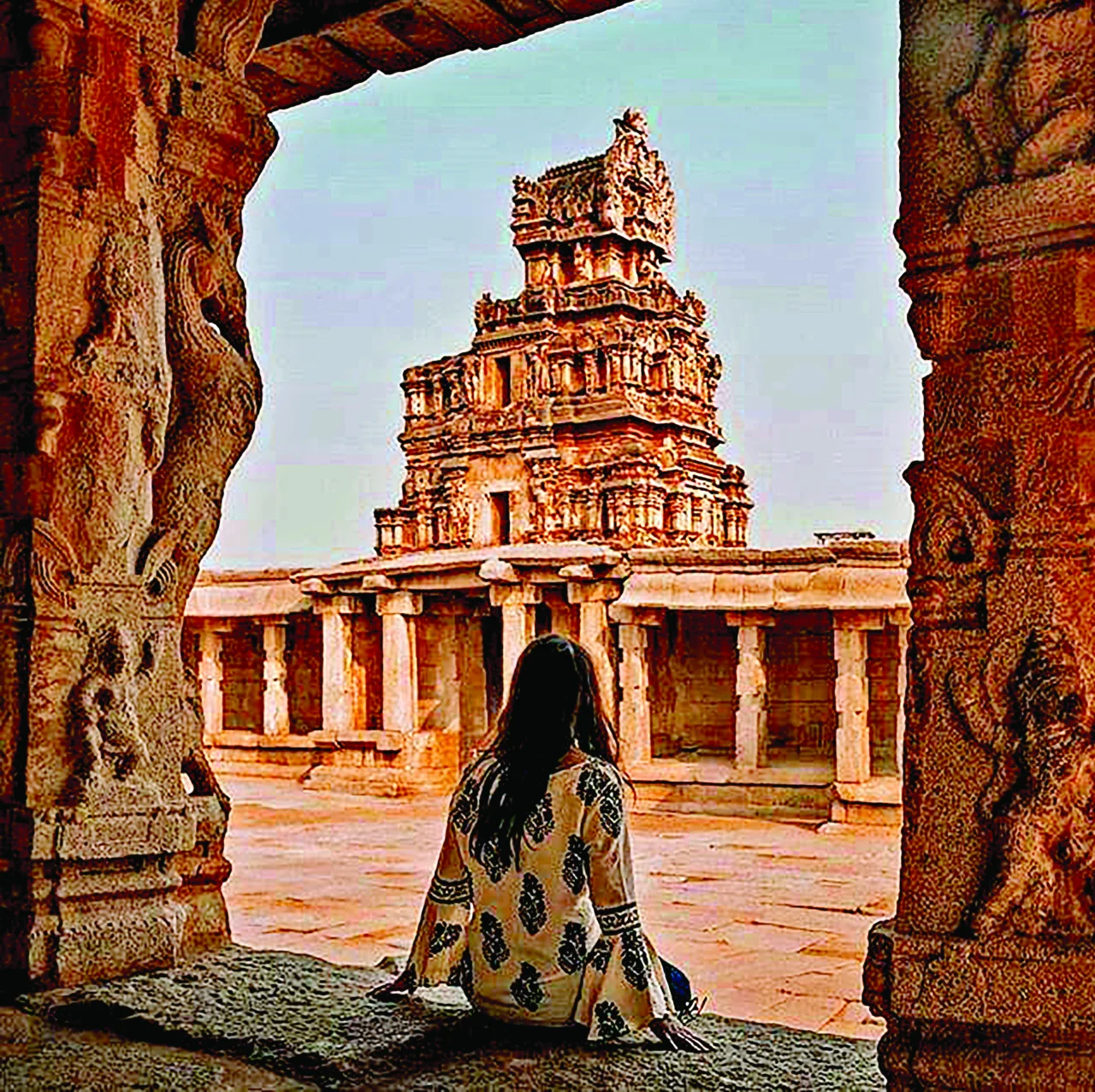
A young person from a village may already have a close relationship with a local mandir, shrine, festival or religious tradition and may approach pilgrimage as a continuation of an existing cultural practice. For an urban or metropolitan youngster, the same destination may offer an opportunity to reconnect with traditions that are less visible in everyday city life. Tribal youngsters may have their own distinct relationships with sacred landscapes, community traditions and nature. Technology may have given these different groups access to similar information, but the meaning and experience of the journey remains rooted in the age-old culture.
Screen to sacred space
One of the biggest changes can be seen in how a destination enters the imagination of a young traveller. Earlier, a pilgrimage destination was often introduced through family, relatives, community or religious tradition. Today, the first introduction may come through an Instagram reel, a YouTube vlog, a photograph or a podcast. A young person, sitting at home, may suddenly see the evening Ganga aarti in Varanasi, the snow-covered mountains around Kedarnath or the spiritual atmosphere of Rishikesh and think, “I want to experience this myself.”
Social media has, therefore, not created the desire to visit sacred places, but it has changed the process of discovering them. Places traditionally known through religious and cultural networks are now appearing in the everyday digital lives of young Indians. A journey can begin with a screen, but eventually take the traveller to a mandir, a riverbank, a mountain trail or an ashram. Technology, in this sense, has become a new gateway to some of India’s oldest traditions.
The digital age has also created its own pressures. Young people today live amid constant information, comparison and connectivity. Academic pressure, career competition, uncertainty about the future, relationship concerns and social isolation can leave many looking for a pause from their everyday routine. Spiritual destinations can provide an opportunity to slow down, sit in silence or simply spend time with oneself.
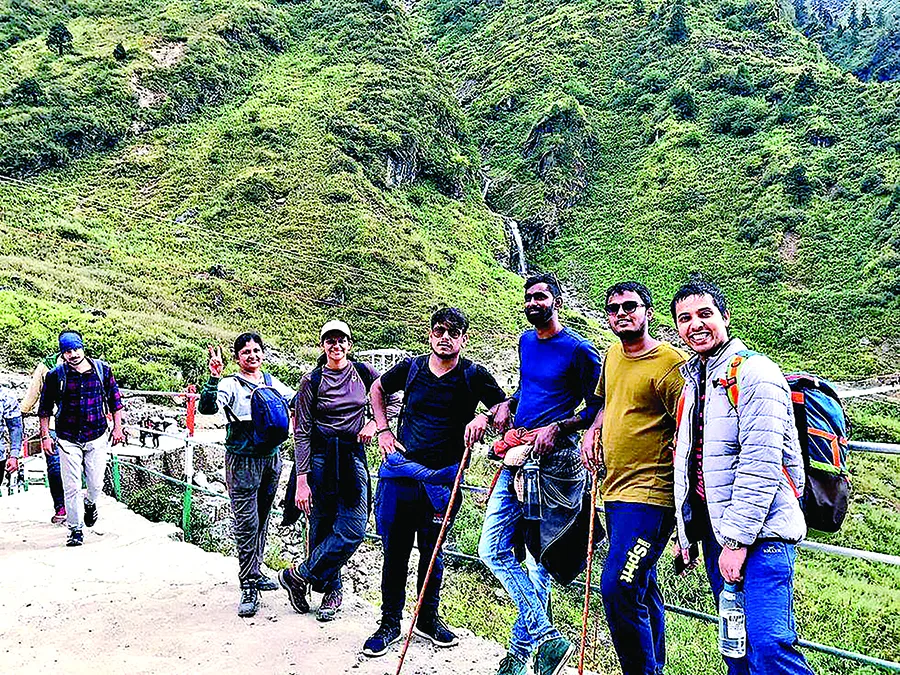
This changing approach to travel is also reflected in the way young professionals are approaching spiritual destinations today. Dr Surjeet Kumar, Associate Professor, Department of Tourism and Hotel Management, Kurukshetra University, told Organiser, “From my interactions with young professionals, I find that there is a growing desire for authentic cultural experiences, mental peace, emotional well-being and self-discovery. Spiritual destinations offer all of these in one experience. In many ways, youth are discovering spirituality not only as faith, but also as an experience.”
Devotion finds new expressions
The changing ways of experiencing spirituality can also be seen in the forms through which young people participate. From bhajan groups and devotional gatherings to what has popularly been described as “bhajan clubbing”, younger audiences are experimenting with new social formats for engaging with devotional music and spiritual expression. The setting, presentation and manner of participation may appear modern, but the underlying cultural forms are deeply rooted in Indian traditions. In such spaces, devotion, music, community and social interaction come together in a format that younger audiences can easily relate to. This is not necessarily a replacement of traditional devotional practices, but another way in which familiar cultural is being presented and experienced by a new generation.
Rise of solo journey
Another visible change is the ease with which young travellers can organise journeys independently. Better roads, rail and air connectivity, online bookings, digital maps, homestays and digital payments have made independent travel much easier. A youngster does not necessarily have to wait for a family group or a fixed travel plan. They can discover a destination, prepare an itinerary and travel according to their own interests.
The idea of travelling alone is not new, but the ease with which young people can now discover and undertake such journeys is different. A young traveller can choose a location because it connects with a personal interest or curiosity. The journey then becomes not only a visit to a destination, but also an experience of self-discovery.
Speaking to Organiser, Professor Suman Sharma, Department of Tourism & Travel Management, Central University of Himachal Pradesh, said, “Spiritual destinations are increasingly being viewed as complete travel experiences rather than places visited only for religious purposes. The journey, surroundings, local communities and cultural atmosphere all contribute to what a young traveller takes away from the visit. This broader experience is making spiritual tourism increasingly relevant to younger travellers.”
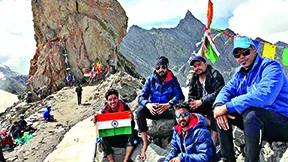
For some, travelling alone to a place associated with prayer, knowledge or inner peace can create a unique experience. There is plenty of time to observe, introspect, walk and listen to oneself. In a world filled with constant digital noise, silence itself can become part of the journey. For others, even the difficulty of reaching a destination becomes part of its appeal. Trekking to a shrine, walking long distances, staying in simple accommodation or travelling through difficult terrain can provide an experience very different from the convenience of everyday digital life. The physical effort can create a sense of achievement and make the journey itself as meaningful as the destination.
Modernity without losing roots
With rising modernity, young Indians are exposed to multiple cultures, lifestyles and ideas from across the world. They enjoy global music, films, fashion and food, but this wider exposure also makes them more curious about their own cultural background. They
want to understand the stories, symbols and practices that surround them.
Exposure to global ideas and lifestyles does not necessarily mean abandoning this inheritance. Instead, new technologies, habits and influences are often adapted to an Indian context and incorporated into an existing way of life. The same smartphone that brings global trends to a young person’s screen can also take them towards India’s civilisational past. This is why the rise of spiritual tourism among young Indians should not simply be described as a return to the old pilgrimage model, nor as something completely disconnected from the past or something very new. It is better understood as an old tradition entering a new travel ecosystem. The mandir, ghats and pilgrimage tradition remain rooted in the same civilisational heritage. What has changed is how the young traveller approaches, experiences and engages with them.
India’s youth is therefore not moving away from its roots; it is finding its own ways to approach those roots. The tools may be new and the reasons for travelling may have expanded, but the connection with the civilisational traditions of India continues.