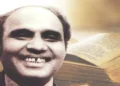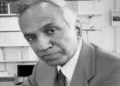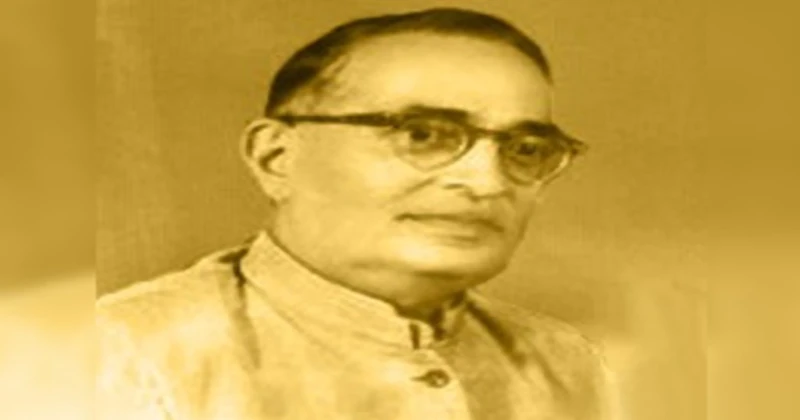
New Delhi: On the death anniversary of Acharya Nanddulare Vajpayee, the Hindi literary world remembers one of its most influential critics, editors, journalists and educationists, whose fearless scholarship helped reshape the course of modern Hindi criticism.
Vajpayee was not merely a literary critic who assessed works from the sidelines. He emerged as a powerful intellectual voice who challenged rigid literary conventions and argued for a broader, more independent understanding of literature. His contribution was particularly significant during a period when Chhayavaadi poetry faced scepticism and resistance within sections of the literary establishment.
Through his critical writings and scholarship, Vajpayee championed the works of major Chhayavaadi poets including Jaishankar Prasad, Sumitranandan Pant and Suryakant Tripathi ‘Nirala’. His arguments helped establish their poetry as an important part of the Hindi literary mainstream and strengthened the intellectual foundations of the Chhayavaad movement.
हिंदी आलोचना के सौष्ठववादी स्तंभ आचार्य नंददुलारे वाजपेयी 📚✒️आज हिंदी साहित्य जगत के शीर्षस्थ आलोचक, निर्भीक पत्रकार और कुशल प्रशासक आचार्य नंददुलारे वाजपेयी जी की पुण्यतिथि है। इस अवसर पर हम साहित्य जगत में उनके द्वारा छोड़ी गई अमिट छाप को याद करते हुए उन्हें अपनी भावभीनी… pic.twitter.com/DxBvE1g22N
— Rashtra Sevika Samiti Delhi Prant (@sevikasamiti) August 10, 2026
At the core of Vajpayee’s literary philosophy was his opposition to reducing literature to narrow ideological categories or rigid ‘isms’. He believed that the true worth of poetry could not be determined merely through prescribed literary doctrines. Instead, he emphasised the importance of beauty, aesthetic experience and the delight that literature creates in the reader.
His influence extended well beyond criticism. Vajpayee also made a lasting contribution as an editor, taking up the painstaking task of editing monumental Hindi literary works. His association with the Kashi Nagri Pracharini Sabha saw him work on the historic Sursagar, while his editorial contribution to Ramcharitmanas for Gita Press reflected his engagement with some of the most significant works of Hindi literature.
Vajpayee’s contribution to education was equally substantial. As Head of the Hindi Department at Banaras Hindu University (BHU), he played an important role in shaping Hindi scholarship and literary studies. Later, as Vice-Chancellor of Vikram University in Ujjain, he contributed to the wider field of higher education and academic administration.
What set Vajpayee apart was the independence of his intellectual voice. At a time when literary criticism could easily become confined by ideological camps and established conventions, he maintained a reputation for critical courage and intellectual freedom. His approach placed literary merit and aesthetic value at the centre of critical inquiry.
His legacy therefore extends beyond the books he edited or the poets he defended. Vajpayee helped establish a tradition of Hindi criticism that valued reasoned argument, literary beauty and intellectual independence. His work continues to serve as a reference point for those seeking to understand the evolution of modern Hindi literature.