Gokshura, traditionally known as Tribulus terrestris, holds an established place in India’s traditional systems of medicine. With a long history of traditional use and growing interest worldwide, Gokshura continues to draw attention from the scientific and research community, supporting deeper exploration of its traditional applications.
Gokshura, traditionally known as Tribulus terrestris, holds an established place in India’s traditional systems of medicine.
With a long history of traditional use and growing interest worldwide, Gokshura continues to draw attention from the scientific and research community,… pic.twitter.com/czWX3cXxA2
— Ministry of Ayush (@moayush) October 6, 2026
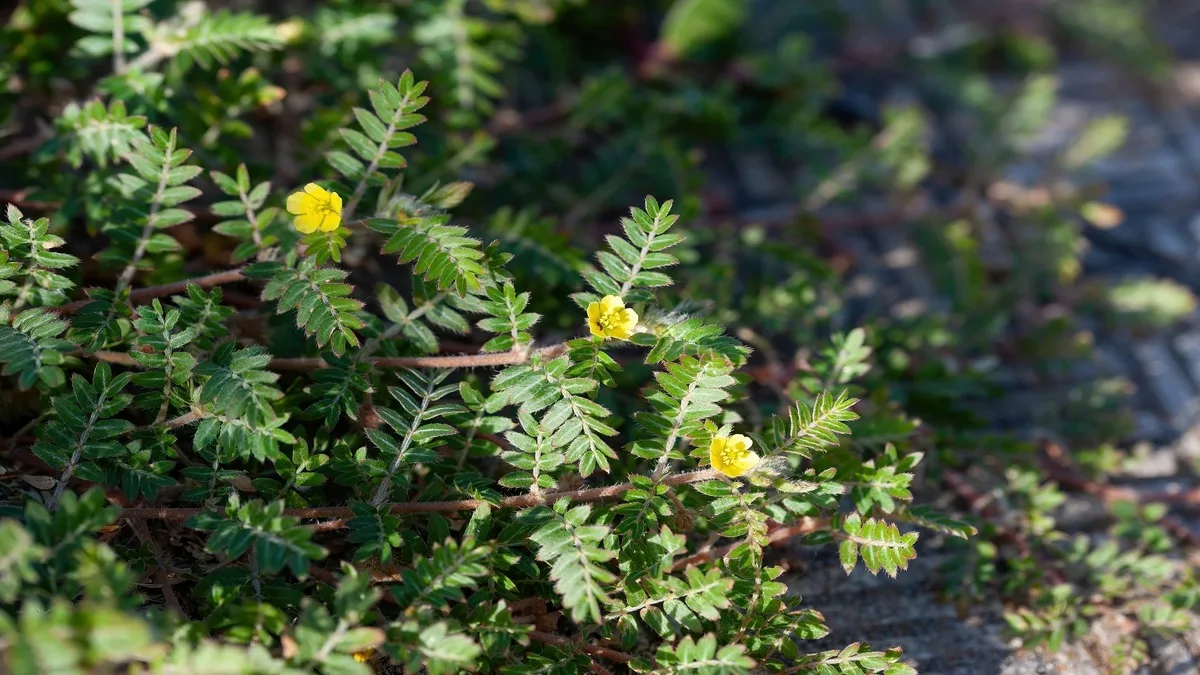
Gokshura belongs to the Zygophyllaceae family and is a small, spreading herb that grows close to the ground. It is characterised by its small yellow flowers and distinctive fruits covered with sharp, thorn-like projections. The botanical name Tribulus terrestris is associated with the plant’s characteristic spiny fruit.
The herb is also known by names such as Gokharu and Puncture Vine in different regions. It occurs across several parts of India and other warm and relatively dry regions of the world. Its ability to grow in varied environmental conditions has contributed to its widespread presence and traditional recognition.
In Ayurveda, Gokshura has been used for generations and is incorporated into a number of traditional formulations. Classical Ayurvedic literature recognises the plant particularly for its role in supporting urinary health, fluid balance and general vitality. A review of Ayurvedic literature notes that Gokshura has been mentioned for several clinical applications and has become an ingredient in various Ayurvedic preparations.
One of the most prominent traditional applications of Gokshura is its association with the urinary system. Traditional medicine has used the fruits and other parts of the plant in preparations intended to support healthy urination and maintain normal urinary function.
The herb has traditionally been described as having diuretic properties, meaning that it has been investigated for its potential to influence urine production and fluid elimination. It has also been traditionally associated with support for urinary discomfort and conditions involving the formation of urinary stones.
A plant rich in bioactive compounds
One of the reasons Gokshura has attracted scientific attention is its diverse chemical composition. Researchers have identified several groups of naturally occurring compounds in the plant, including steroidal saponins, flavonoids, tannins, terpenoids, alkaloids, glycosides and phenolic compounds.
Among these, steroidal saponins and flavonoids have received considerable attention in phytochemical research. Different parts of the plant can contain different concentrations and combinations of these compounds. This variation is important because the biological activity of a plant extract can depend on several factors, including the part of the plant used, geographical origin, growing conditions, harvesting practices, extraction method and concentration of individual compounds.
A major area of modern research is therefore the standardisation of Gokshura extracts, so that researchers can better compare results from different studies and determine which compounds may be responsible for particular biological effects.
Antioxidant potential
Another area of interest is the plant’s antioxidant potential. Laboratory investigations have examined compounds present in Gokshura for their ability to interact with free radicals and oxidative processes. Flavonoids and other plant-derived phenolic compounds are widely studied for antioxidant activity, and research on Tribulus terrestris has reported antioxidant properties in different extracts. However, laboratory antioxidant activity does not automatically mean that consuming the plant will produce the same effect in humans. Researchers therefore continue to examine how these compounds behave in biological systems and what their practical significance may be.
Interest in inflammation and metabolic health
Scientific studies have also investigated Gokshura for anti-inflammatory and metabolic effects. Experimental research has reported biological activity involving inflammatory pathways, while other studies have explored possible effects on blood glucose and lipid metabolism. These findings have contributed to interest in the plant as a potential source of naturally occurring compounds for future research. Reviews published over the years have identified anti-inflammatory, hypolipidemic and antidiabetic activities among the areas investigated.
At the same time, researchers caution that findings from laboratory experiments and animal studies cannot automatically be translated into proven benefits for humans. More rigorous clinical research is needed to establish effectiveness, appropriate dosage and long-term safety.
Potential role in cardiovascular research
Traditional Ayurvedic literature has also associated Gokshura with cardiotonic properties, particularly in relation to its fruit and root. Modern researchers have consequently examined the plant for possible cardiovascular and metabolic effects.
Some experimental studies have reported potentially beneficial biological activity, including effects associated with lipid metabolism and oxidative stress. However, evidence remains mixed, and Gokshura should not be regarded as a replacement for medically prescribed treatment for cardiovascular conditions.
Traditional knowledge meets modern phytochemistry
The continuing scientific interest in Gokshura demonstrates how traditional medicinal plants can become subjects of modern pharmacological research.
Traditional systems of medicine generally view a medicinal plant as part of a broader therapeutic approach, while modern science attempts to identify individual compounds, biological mechanisms and measurable outcomes. Gokshura provides an example of this intersection. Researchers have isolated numerous compounds from Tribulus terrestris, with steroidal saponins receiving particular attention. Reviews have reported a large diversity of saponin compounds, along with flavonoids and other phytochemicals.
The scientific challenge is to determine which constituents are biologically active, at what concentrations they work, how they interact with one another and whether findings observed in laboratory models can be reproduced safely and effectively in humans.
Growing global research interest
Interest in Gokshura is no longer limited to traditional medicine. Scientific literature from different parts of the world has examined its phytochemistry, pharmacological properties, potential health applications and safety profile.
A 2024 review highlighted research into several possible biological properties of Tribulus terrestris, including antioxidant, anti-inflammatory, cardioprotective, metabolic and neuroprotective effects.
More recently, a 2026 bibliometric review specifically mapped the global scientific evidence surrounding the safety of Gokshura. The study noted increasing research attention to the plant’s toxicological profile and highlighted the importance of evaluating safety, particularly with concentrated extracts and higher doses. This shift is significant because the growing popularity of herbal products has made quality control, standardisation and safety assessment just as important as studying potential benefits.
Gokshura represents a long-standing example of India’s rich medicinal plant tradition. Its importance in Ayurveda, particularly its traditional association with urinary wellness and fluid balance, has provided the foundation for continued scientific investigation.
Modern research has expanded the focus to its phytochemical composition, antioxidant activity, inflammatory pathways, metabolic effects, cardiovascular research and safety profile. Yet the scientific story of Gokshura is still developing. Researchers continue to work towards identifying its most important active constituents, understanding their mechanisms and establishing the effectiveness and safety of standardised preparations.
The continuing study of Tribulus terrestris therefore illustrates an important principle in medicinal plant research: traditional knowledge can provide valuable leads, while modern scientific investigation can help determine which traditional applications can be supported by reproducible evidence.