The retreat of the global guarantor
July 28, 2026
  • Read Ecopy
  • Circulation
  • Advertise
  • Careers
  • About Us
  • Contact Us
Android AppiPhone AppArattai
Organiser
  • ‌
  • Bharat
    • Assam
    • Bihar
    • Chhattisgarh
    • Jharkhand
    • Maharashtra
    • View All States
  • World
    • Asia
    • Europe
    • North America
    • South America
    • Africa
    • Australia
  • Editorial
  • International
  • Opinion
  • RSS @ 100
  • More
    • Op Sindoor
    • Analysis
    • Sports
    • Defence
    • Politics
    • Business
    • Economy
    • Culture
    • Special Report
    • Sci & Tech
    • Entertainment
    • G20
    • Azadi Ka Amrit Mahotsav
    • Vocal4Local
    • Web Stories
    • Education
    • Employment
    • Books
    • Interviews
    • Travel
    • Law
    • Health
    • Obituary
  • Subscribe
    • Subscribe Print Edition
    • Subscribe Ecopy
    • Read Ecopy
  • ‌
  • Bharat
    • Assam
    • Bihar
    • Chhattisgarh
    • Jharkhand
    • Maharashtra
    • View All States
  • World
    • Asia
    • Europe
    • North America
    • South America
    • Africa
    • Australia
  • Editorial
  • International
  • Opinion
  • RSS @ 100
  • More
    • Op Sindoor
    • Analysis
    • Sports
    • Defence
    • Politics
    • Business
    • Economy
    • Culture
    • Special Report
    • Sci & Tech
    • Entertainment
    • G20
    • Azadi Ka Amrit Mahotsav
    • Vocal4Local
    • Web Stories
    • Education
    • Employment
    • Books
    • Interviews
    • Travel
    • Law
    • Health
    • Obituary
  • Subscribe
    • Subscribe Print Edition
    • Subscribe Ecopy
    • Read Ecopy
Organiser
  • Home
  • Bharat
  • World
  • Operation Sindoor
  • Editorial
  • Analysis
  • Opinion
  • Culture
  • Defence
  • International Edition
  • RSS @ 100
  • Magazine
  • Read Ecopy
Home Bharat

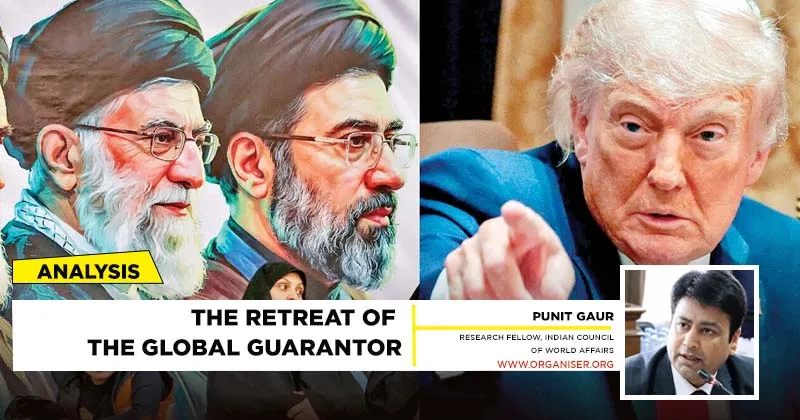
The retreat of the global guarantor

For decades, the United States anchored the global security order through alliances, institutions and military guarantees. Today, a more selective and transactional approach is reshaping international politics, compelling allies and adversaries alike to adapt to a changing strategic landscape

Punit GaurPunit Gaur
Jul 28, 2026, 08:40 pm IST
in Bharat, Analysis
Follow on Google News
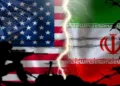
Despite so many efforts, the US-Iran war does not seem to end

Despite so many efforts, the US-Iran war does not seem to end

FacebookTwitterWhatsAppTelegramEmail

The US emerged as the principal guarantor of global security after World War II and, by constructing a liberal system built on alliances, multilateral institutions, and collective norms, established the international order. The role has been diminishing, especially under the Trump 2.0 administration, as indicated by the 2025 US National Security Strategy (NSS), changes in US strategic doctrines, perceptions of the international community, reactions of allies and adversaries and the growth of alternative security arrangements.

The NSS marks a decisive shift from global stewardship to an “America First” policy that prioritises US interests over shared values, relies on transactional ties, takes a selective approach, demands greater burden-sharing, and avoids open-ended commitments. The US has withdrawn from key multilateral organisations and agreements, such as the Paris Climate Accord and the World Health Organisation, and has been unwilling to bear the institutional and financial burden of leadership. This is not isolationism, but a rethinking of leadership that emphasises unilateral action, economic pressure, and selective engagement. It is redefining alliances such as NATO to be conditional, demanding more burden sharing while simultaneously undermining the predictability and credibility of its commitments. The US has shown a willingness to act unilaterally, as seen in targeted strikes in Syria, Iran and its actions in Latin America, simultaneously reluctant to commit forces in protracted conflicts, resulting in a more transactional and less predictable type of leadership.

The Trump 2.0 strategy is most visible in its approach to alliances. European allies have been alarmed by the US’s lack of certainty about its commitment to NATO, with public statements that have left Article 5 in doubt. The US approach towards Russia, and the dispute over burden sharing in the Ukraine war, have prompted calls for European “strategic autonomy.” The US still has considerable capabilities, including nuclear deterrence and rapid deployment, but the  credibility of these guarantees is increasingly in doubt.
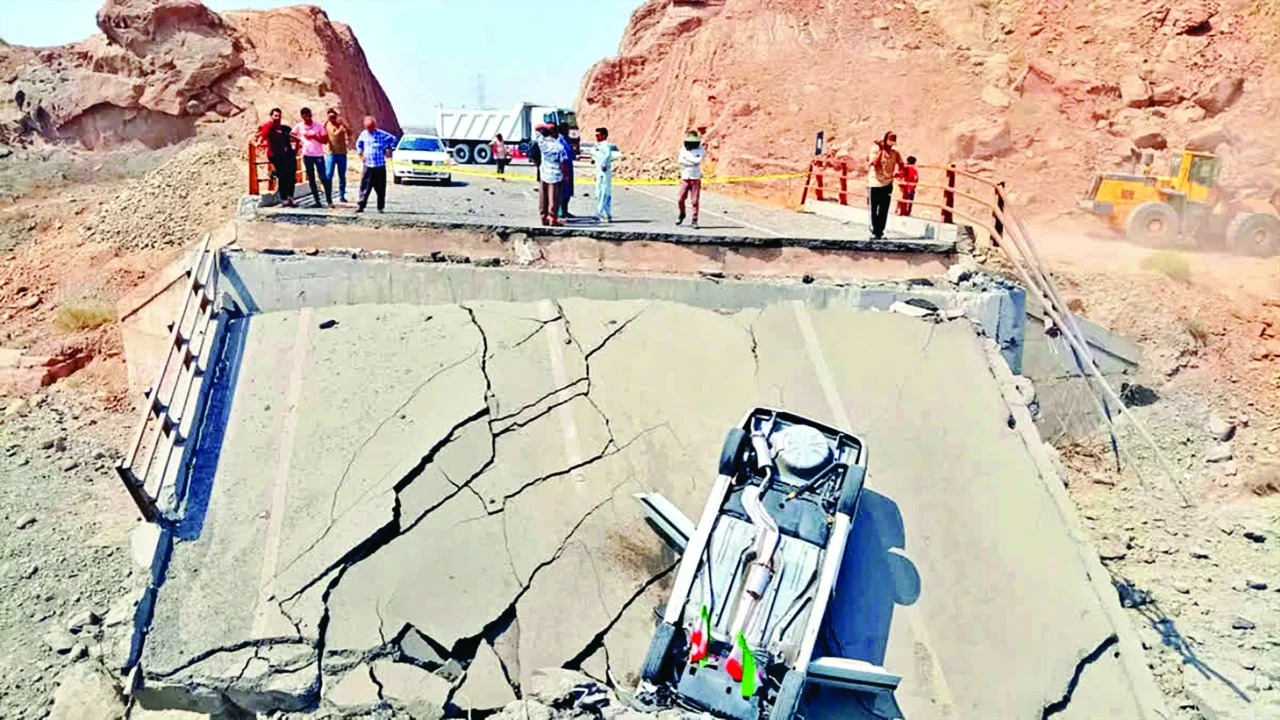
An overturned car sits on a section of a destroyed bridge after a strike in Hormozgan province, southern Iran, July 18, 2026.

The Trump 2.0 administration’s call for NATO allies to spend more on defence, fears it would pull troops out of Germany, and murky statements about obligations under Article 5 have damaged trust in the US alliances. Similar dynamics in East Asia, where US demands for higher host-nation support payments to offset the expense of stationing US forces in South Korea and Japan have stressed the relationship. The US is increasingly treating relationships as a cost-benefit equation as opposed to an end in itself. This has raised uncertainty among allies as to whether the US would respond decisively to aggression.

The rise and assertiveness of China in the South China Sea have exposed the vulnerabilities of the US-led regional system. Washington has stepped up security cooperation with Japan, Australia and India, but there remain doubts over the US’s willingness to confront China in a crisis. Ambiguity regarding Taiwan and mixed signals on regional commitments have generated uncertainty.

Result of US withdrawal

The US has withdrawn from several global institutions and agreements. The decision to withdraw from the Paris Climate Accord, the Trans-Pacific Partnership (TPP) and the World Health Organisation is symptomatic of a wider cynicism about international cooperation. The retreat has damaged US moral authority and its ability to shape global norms, and has opened up space for other actors, especially China, to exert more influence. The US withdrawal from multilateralism undermined the institutional underpinnings of international security. The US reluctance to support international organisations has led to a more fragmented and unpredictable world order.

Rivals are testing the limits of American commitments. The Ukraine war, the confrontation with Iran and its consequences in the region, and the aggression of China in maritime disputes are exploiting perceived US hesitancy. These policies continue to weaken the international order and encourage revisionist agendas. The US must walk the tightrope between domestic regeneration and foreign responsibility. Restoring trust between allies, clarifying obligations and investing in global organisations can mitigate retrenchment. Allies should continue to build capabilities and promote regional cooperation.

The US’s declining role as the world’s net security guarantor is a consequence of strategic recalibration, domestic constraints and shifting global power dynamics. The repercussions of this retreat are serious: it undermines deterrence, encourages adversaries, and challenges the institutional and normative underpinnings of global security. While the US remains a powerful actor, its willingness and ability to underwrite world order are no longer assumed. The future hinges on how the US and its alliances and adversaries react to this new reality. It will also matter whether new forms of partnerships can maintain a stable and peaceful world order.

Topics: China in the South China SeaNATOWorld War IIglobal securityUS National Security StrategyAmerican commitmentsTrans-Pacific Partnership
Punit Gaur
Punit Gaur
Delhi-based independent political analyst [Read more]
ShareTweetSendShareSend
✮ Subscribe Organiser YouTube Channel. ✮
✮ Join Organiser's WhatsApp channel for Nationalist views beyond the news. ✮
Previous News

Plastic Currency Revolution: RBI prepares mega trial of 2 billion waterproof, tear proof Rs 10 and Rs 20 notes

Related News

Representative Image

Failure of the US–Iran Peace Process: Why lasting peace in West Asia remains elusive

From Armenia and Greece to Cyprus, India's defence diplomacy is creating new pressure points for Turkey

How India’s Mediterranean Push and Indo-Pacific rise unsettle Turkey’s strategic calculus

Rift within NATO deepens as tensions rise between US President Donald Trump and Spanish Prime Minister Pedro Sanchez over military support and alliance unity

NATO rift widens as US pressures Spain, with European allies backing Madrid against Washington

US President Donald Trump and British Prime Minister Keir

UK PM Keir Starmer rejects Trump’s Hormuz blockade; NATO rift deepens amid West Asia tensions

US President Donald Trump

President Trump signals Cuba as next target as Iran war and NATO rift push US foreign policy into turmoil

US President Donald Trump

NATO defies Trump’s demand to assist in the Iran war; Furious US President explodes unable to bear the backlash

Load More

Latest News

Despite so many efforts, the US-Iran war does not seem to end

The retreat of the global guarantor

Plastic Currency Revolution: RBI prepares mega trial of 2 billion waterproof, tear proof Rs 10 and Rs 20 notes

Tamil Nadu: Madras HC quashes TVK govt’s compassionate jobs for Karur stampede victims’ families

Shri Vinai Kumar Saxena, LG Leh, the Chief Guest with Shri Indresh Kumar ji and other prominent guests

Sindhu Darshan Yatra: Celebrating the sacred connect

Uddhav Thackrey compares Abhijeet Dipke to Bhagwan Vishnu sparking row

Uddhav Thackeray’s ‘Vishnu Avatar’ Praise for CJP Cockroach Abhijeet Dipke triggers Sanatan sentiment row

People protesting against Pakistan in PoJK

Bloodshed in PoJK: Dozens injured in Rawalakote firing; 14 JAAC supporters killed & 5 died in poll violence in Mirpur

No Wealthy Background, Cheque Cases in Dubai: How Did Mohammed Shaji Fund 23 Employees for CJP Protest in Delhi?

No Wealthy Background, Cheque Cases in Dubai: How Did Abreco Freight’s Mohammed Shaji Fly 23 Employees to CJP Protest?

The NEET protests exposed how misinformation, foreign narratives, and propaganda shaped public discourse

From NEET Protests to Information Warfare: Examining foreign media narratives, fake news and anti-India propaganda

Tamil Nadu: Hindu Munnani stages statewide protest demanding abolition of temple darshan fees

No cover-up in AI-171 crash: AAIB tells Supreme Court global experts are helming probe, final report by October

Load More
  • Privacy
  • Terms
  • Cookie Policy
  • Refund and Cancellation
  • Delivery and Shipping

© Bharat Prakashan (Delhi) Limited.
Tech-enabled by Ananthapuri Technologies

  • Home
  • Search Organiser
  • Bharat
    • Assam
    • Bihar
    • Chhattisgarh
    • Jharkhand
    • Maharashtra
    • View All States
  • World
    • Asia
    • Africa
    • North America
    • South America
    • Europe
    • Australia
  • Editorial
  • Operation Sindoor
  • Opinion
  • Analysis
  • Defence
  • Culture
  • Sports
  • Business
  • RSS @ 100
  • Entertainment
  • More ..
    • Sci & Tech
    • Vocal4Local
    • Special Report
    • Education
    • Employment
    • Books
    • Interviews
    • Travel
    • Health
    • Politics
    • Law
    • Economy
    • Obituary
  • Subscribe Magazine
  • Read Ecopy
  • Advertise
  • Circulation
  • Careers
  • About Us
  • Contact Us
  • Policies & Terms
    • Privacy Policy
    • Cookie Policy
    • Refund and Cancellation
    • Terms of Use

© Bharat Prakashan (Delhi) Limited.
Tech-enabled by Ananthapuri Technologies