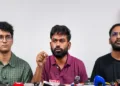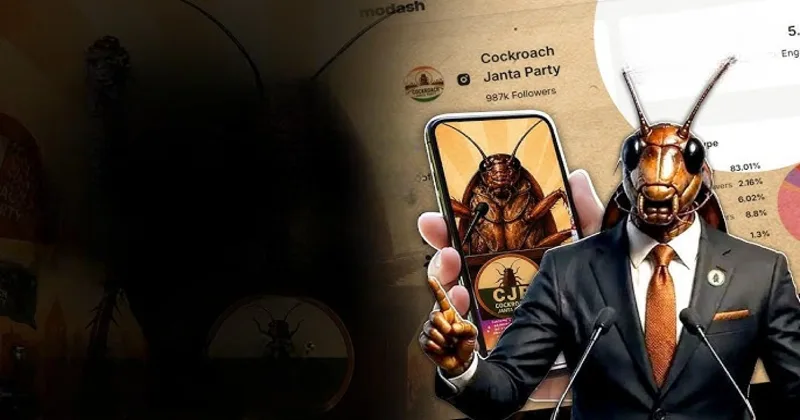
A coordinated paid social media campaign has been choreographed in support of the CJP protest and activist Sonam Wangchuk. This has triggered fresh debate over the hidden and true intentions behind the CJP protests. Posts circulating online have exposed how multiple influencer agencies based in Mumbai, Bengaluru and Delhi orchestrated a large-scale paid Instagram campaign by engaging content creators to evoke sympathy about the demonstrators, amplify the protest escalate fake anti-India narratives.
Paid Instagram campaign & a manufactured propaganda tool
According to sources, three influencer marketing agencies—Delhi-based DigiWhistle, Mumbai-based Monk Entertainment (MonkE) and Bengaluru-based Circuit Artist Network—were involved in coordinating promotional content related to the CJP protest and Sonam Wangchuk. The founders of these social media marketing agencies and the dozens of influencers hired by them were paid to publish content supporting the CJP protest.
It is also unveiled that several influencers, whose content typically focuses on finance, lifestyle, entertainment or other unrelated subjects, suddenly began sharing posts and stories expressing their support for the protest. These actions, thus raise apprehensions that whether the content in favour of the CJP was part of a larger nexus and coordinated paid promotional campaign.
सोशल मीडिया ख़ासकर इंस्टाग्राम पर अचानक से CJP के प्रोटेस्ट और सोनम वांगचुक को समर्थन करने के लिए जो अचानक से बाढ़ सी आ गई थी उसका पर्दाफ़ाश हो चुका है
इंस्टाग्राम पर उनके लिए समर्थन पूरी तरह से फर्जी और पेड था और इसके लिए तीन प्रोफ़ेशनल एजेंसियों ने पैसे देकर बड़े लेवल पर… pic.twitter.com/GADQN9W7iD
— 🇮🇳Jitendra pratap singh🇮🇳 (@jpsin1) July 20, 2026
Questions over anti-India narrative network orchestrated via social media
It is also observed that the campaign supporting the CJP protest, mirrors previous online advocacy drives that rapidly gained traction through social media influencer participation. Glorification of the protest on social media platforms, constructing propaganda and nurturing strong support base aims to attract wider public support in a short span of time.
This large-scale anti-India campaign can be compared with previous such attempts, which includes a massive social media campaign run for “All eyes on Rafah”. These same platforms were silent while they had to voice against Pahalgam terror attack and other illicit activities, which threatened the very sovereignty, security and socio-political fabric of the country. This double standards and hypocrisy, testifies the true agenda and hidden motive of the paign online campaigns, who aim to channelise public mood, emotions and perceptions in a particular way to brew personal interests.
Call for greater scrutiny of foreign funding nexus for online campaigns
Many analysts and citizens have thus demanded an investigation and scrutiny of the sources of this manufactured propaganda. Mysteries such as who financed sudden online eruption in support of the CJP, the foreign funding nexus, deliberate attempt to fuel anti-India and anti-establishment narrative has to be explored.
If paid influences are being used to shape sudden and spontaneous public opinion on sensitive national security issues, it is indeed a threat to sovereignty of the country. Thus, greater transparency regarding sponsorship of social media campaigns, roots of the funding sources and disclosure norms have to be stringent.