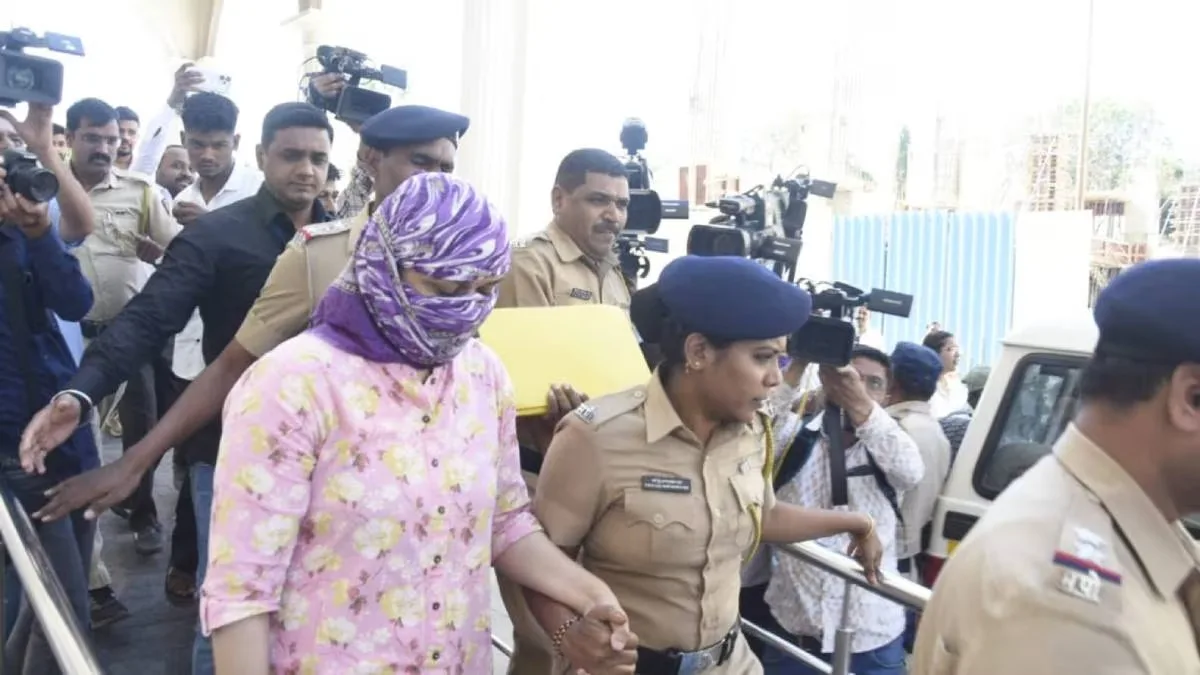
In a significant development in the widening workplace misconduct probe at Tata Consultancy Services’ Nashik unit, a local court has refused bail to senior HR executive and Internal Complaints Committee member Ashwini Chainani, observing that her failure to act effectively enabled the alleged harassment.
Additional Sessions Judge V V Kathare, while rejecting the plea, came down sharply on Chainani’s conduct, stating that her since she manned a crucial and responsibility-laden desk as regional Human Rights executive, her “silence and insensitivity had endorsed the acts of the accused” and that she had “turned a blind eye and a deaf ear” to the situation unfolding before her.
Court flags failure under POSH obligations
Chainani was a member of the Internal Complaints Committee constituted under the Sexual Harassment of Women at Workplace (Prevention, Prohibition and Redressal) Act, 2013, commonly known as the POSH Act. The law places a statutory duty on committee members to assist victims in filing complaints and ensure timely redressal.
The court found that instead of discharging this obligation, Chainani failed to intervene or initiate action despite being aware of the alleged misconduct. On the contrary, the order notes that she discouraged the complainant and advised her to “let go” of the accused.
Judge Kathare held that there was prima facie material indicating abetment, stressing that her conduct contributed to the continuation of the alleged harassment.
Serious allegations and hostile work environment
The case pertains to multiple complaints filed against employees at the Nashik branch, including allegations of sexual harassment, intimidation, and attempts at religious coercion. Among those named are team leaders Raza Memon and Shahrukh Qureshi, accused of making sexually coloured remarks, asking intrusive personal questions, and engaging in inappropriate behaviour at the workplace.
According to the prosecution, the complainant endured sustained harassment over several months, ultimately resigning in March 2026 due to what the court described as a “hostile” and unsafe work environment.
The investigation has so far led to multiple FIRs and arrests, with authorities examining digital communications, internal emails, and other evidence to establish the extent of misconduct and possible managerial complicity.
Bail denied over risk of interference
Rejecting the bail plea, the court accepted the prosecution’s argument that Chainani had not been cooperating with the investigation and that her release could lead to witness intimidation or tampering with evidence.
Her defence had argued procedural lapses in arrest and inadequate notice prior to custody. However, the court found these submissions insufficient in light of the seriousness of the allegations and her alleged role in suppressing complaints.
The ruling underscores the legal accountability of POSH committee members, making it clear that inaction in the face of harassment complaints can invite criminal liability, particularly when it appears to enable or perpetuate misconduct.
Broader implications
The Nashik case has triggered wider scrutiny of workplace safety mechanisms in India’s corporate sector, especially the functioning and independence of Internal Complaints Committees mandated under the POSH framework.
With investigations ongoing and multiple accused in custody, the case is emerging as a test of how seriously institutions enforce safeguards meant to protect employees from harassment, and whether those tasked with upholding them can themselves be held accountable for failure.