How India became a nuclear power on May 18, 1974
June 9, 2026
  • Read Ecopy
  • Circulation
  • Advertise
  • Careers
  • About Us
  • Contact Us
Android AppiPhone AppArattai
Organiser
  • ‌
  • Bharat
    • Assam
    • Bihar
    • Chhattisgarh
    • Jharkhand
    • Maharashtra
    • View All States
  • World
    • Asia
    • Europe
    • North America
    • South America
    • Africa
    • Australia
  • Editorial
  • International
  • Opinion
  • RSS @ 100
  • More
    • Op Sindoor
    • Analysis
    • Sports
    • Defence
    • Politics
    • Business
    • Economy
    • Culture
    • Special Report
    • Sci & Tech
    • Entertainment
    • G20
    • Azadi Ka Amrit Mahotsav
    • Vocal4Local
    • Web Stories
    • Education
    • Employment
    • Books
    • Interviews
    • Travel
    • Law
    • Health
    • Obituary
  • Subscribe
    • Subscribe Print Edition
    • Subscribe Ecopy
    • Read Ecopy
  • ‌
  • Bharat
    • Assam
    • Bihar
    • Chhattisgarh
    • Jharkhand
    • Maharashtra
    • View All States
  • World
    • Asia
    • Europe
    • North America
    • South America
    • Africa
    • Australia
  • Editorial
  • International
  • Opinion
  • RSS @ 100
  • More
    • Op Sindoor
    • Analysis
    • Sports
    • Defence
    • Politics
    • Business
    • Economy
    • Culture
    • Special Report
    • Sci & Tech
    • Entertainment
    • G20
    • Azadi Ka Amrit Mahotsav
    • Vocal4Local
    • Web Stories
    • Education
    • Employment
    • Books
    • Interviews
    • Travel
    • Law
    • Health
    • Obituary
  • Subscribe
    • Subscribe Print Edition
    • Subscribe Ecopy
    • Read Ecopy
Organiser
  • Home
  • Bharat
  • World
  • Operation Sindoor
  • Editorial
  • Analysis
  • Opinion
  • Culture
  • Defence
  • International Edition
  • RSS @ 100
  • Magazine
  • Read Ecopy
Home Bharat

On this day in 1974: India shocked the world with its first nuclear test at Pokhran

India entered the elite nuclear club on May 18, 1974, after successfully conducting its first nuclear test at Pokhran in Rajasthan under the codename “Operation Smiling Buddha”

WEBDESKWEBDESK
May 18, 2026, 10:00 am IST
in Bharat, Sci & Tech
Follow on Google News
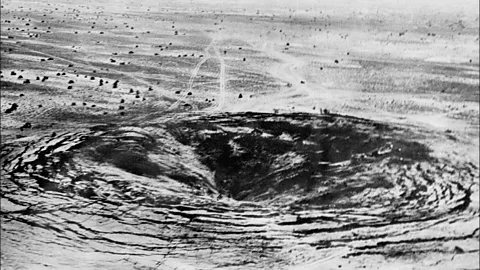
At 8.05 AM in the morning on 18 May 1974, IST India joined the exclusive club of nuclear-armed states when it exploded its first nuclear device

At 8.05 AM in the morning on 18 May 1974, IST India joined the exclusive club of nuclear-armed states when it exploded its first nuclear device

FacebookTwitterWhatsAppTelegramEmail

On May 18, 1974, India achieved one of the most defining moments in its scientific, strategic and defence history by successfully conducting its first nuclear test at the Pokhran test range in Rajasthan. The mission, officially codenamed “Operation Smiling Buddha”, transformed India into a nuclear-capable nation and marked its entry into an exclusive group of world powers possessing nuclear technology.

The operation was conducted under the leadership of noted nuclear scientist Raja Ramanna, who was then serving as the Director of the Bhabha Atomic Research Centre (BARC). The nuclear test took place on Buddha Purnima, which is believed to be the reason behind the codename “Smiling Buddha”.

Apart from Dr Raja Ramanna, then director of BARC, others who worked with him include, Dr. Basanti Dulal Nag Chaudhuri, director of DRDO to put together and coordinate the team for developing the explosive device. Dr. P.K. Iyengar, Ramanna’s second in command at BARC played a key role in the design and assembly of the plutonium implosion device and in overcoming the technical challenges of the test. Dr. R. Chidambaram who later became the Chairman of the Atomic Energy Commission of India contributed significantly to the success of Operation Smiling Buddha. Dr. Homi N. Sethna the Chairman of the Atomic Energy Commission at that time provided strategic oversight and ensured the project received the necessary resources and support. Dr. N.S. Venkatesan and his team at the Terminal Ballistics Research Laboratory (TBRL) Chandigarh played a key role in the design and engineering of the nuclear device, particularly the high explosive implosion mechanism. Apart from them Dr. M.R. Srinivasan, Dr. P. K. K. Menon and Dr. C.N.R. Rao played a key role at various stages of the nuclear test project. These scientists, along with many unnamed engineers, technicians, and support staff, collectively brought Operation Smiling Buddha to fruition.

India tested an underground nuclear device at the Pokhran firing range in the Thar desert. Although the exact explosive yield of the device has remained a matter of debate over the decades, several reports estimated it to be between 8 and 12 kilotons of TNT.

The successful detonation made India the sixth country in the world to conduct a nuclear test. Before India, only the five permanent members of the United Nations Security Council, the United States, Soviet Union, United Kingdom, France and China, had demonstrated nuclear capability through atomic testing.

According to accounts associated with the operation, Raja Ramanna conveyed the success of the mission to then Prime Minister Indira Gandhi with the famous message: “The Buddha has smiled.”

One of the most remarkable aspects of Operation Smiling Buddha was the secrecy surrounding the mission. Reports suggest that India managed to conduct the nuclear test without prior detection by major international intelligence agencies, including those of the United States.

The roots of India’s nuclear programme leading to the 1974 test can be traced back to September 7, 1972, when Indira Gandhi reportedly authorised Indian scientists to develop and detonate an indigenous nuclear device. Scientists and engineers worked in secrecy for nearly two years before the successful test at Pokhran.

While the test was celebrated domestically as a symbol of scientific achievement and national strength, it triggered sharp reactions from several Western countries. Nations including the United States imposed sanctions and restrictions on India, citing concerns over nuclear proliferation and regional security.

Despite the international pressure, Operation Smiling Buddha became a turning point in India’s strategic policy and defence preparedness. It laid the foundation for India’s later nuclear doctrine and future nuclear tests.

More than two decades later, India once again carried out a series of nuclear tests at Pokhran in May 1998 under Operation Shakti. Conducted during the tenure of then Prime Minister Atal Bihari Vajpayee, the tests firmly established India as a declared nuclear weapons state.

Today, Operation Smiling Buddha is remembered as a milestone that reshaped India’s global standing and demonstrated the country’s growing scientific and strategic capabilities during a challenging phase of Cold War geopolitics.


Topics: Operation Smiling BuddhaPokhran Nuclear Test 1974India First Nuclear TestIndira Gandhi Nuclear TestPokhran Rajasthan
ShareTweetSendShareSend
✮ Subscribe Organiser YouTube Channel. ✮
✮ Join Organiser's WhatsApp channel for Nationalist views beyond the news. ✮
Previous News

TCS Nashik Case: Court denies bail to POSH panel member Ashwini Chainani, says her actions enabled harassment of victim

Next News

West Bengal ban on Street Namaz: Stone pelters clash with police in Kolkata’s Park Circus

Related News

No Content Available
Load More

Latest News

Beyond Alignment: How India is Carving Its Own Strategic Space Amid Global Power Play

Beyond Alignment: How India is Carving Its Own Strategic Space Amid Global Power Play

Chinese President Xi Jinping, Russian President Vladimir Putin and Prime Minister Narendra Modi

China’s New Tone Towards India: Tactical shift or strategic necessity? What Beijing’s push for RIC ties really signals

Keralam’s 2026 Fiscal Health White Paper has unveiled a mounting debt burden of Rs 5.07 lakh crore, exposing deep structural challenges in the state’s economy

Keralam’s Financial Reality Check: White Paper exposes Rs 5.07 lakh crore debt crisis

Tamil Nadu: TVK government arrests YouTuber Maridhas; BJP alleges crackdown on dissent

‘Every grave or dargah is not automatically Waqf property’: Madras High Court’s landmark verdict

US Court strikes down Trump’s $100,000 H-1B fee as executive overreach; Lawmakers & Republicans welcome the verdict

Union Defence Minister Rajnath Singh

Uttar Pradesh: Defence land goes green; Rajnath Singh clears 250 MW solar project in Sitapur

Afghanistan Foreign Minister Amir Khan Muttaqi and External Affairs Minister Dr. S. Jaishankar(File Photo)

India extends gratis long-term business visas to Afghan traders; Slams Pakistan for “trade & transit terrorism”

How Modi's Zero-tolerance doctrine reshaped India's anti-terror policy (This is an AI generated image)

Twelve Years of Modi Government and the rise of India’s zero-tolerance doctrine against terrorism

Press Conference organised by Janjati Suraksha Manch at the Press Club, Ranchi, National Convener Dr Raj Kishore Hansda

Success of Janjati Sanskritik Samagam symbolises unity and cultural pride: Dr Raj Kishore Hansda

Load More
  • Privacy
  • Terms
  • Cookie Policy
  • Refund and Cancellation
  • Delivery and Shipping

© Bharat Prakashan (Delhi) Limited.
Tech-enabled by Ananthapuri Technologies

  • Home
  • Search Organiser
  • Bharat
    • Assam
    • Bihar
    • Chhattisgarh
    • Jharkhand
    • Maharashtra
    • View All States
  • World
    • Asia
    • Africa
    • North America
    • South America
    • Europe
    • Australia
  • Editorial
  • Operation Sindoor
  • Opinion
  • Analysis
  • Defence
  • Culture
  • Sports
  • Business
  • RSS @ 100
  • Entertainment
  • More ..
    • Sci & Tech
    • Vocal4Local
    • Special Report
    • Education
    • Employment
    • Books
    • Interviews
    • Travel
    • Health
    • Politics
    • Law
    • Economy
    • Obituary
  • Subscribe Magazine
  • Read Ecopy
  • Advertise
  • Circulation
  • Careers
  • About Us
  • Contact Us
  • Policies & Terms
    • Privacy Policy
    • Cookie Policy
    • Refund and Cancellation
    • Terms of Use

© Bharat Prakashan (Delhi) Limited.
Tech-enabled by Ananthapuri Technologies