
India’s artistic heritage is one of the richest in the world, with hundreds of traditional art forms that reflect its cultural, spiritual, and regional diversity. These art traditions are not merely decorative, they are deeply tied to rituals, storytelling, and community identity. Here’s a detailed exploration of some of India’s most remarkable traditional art forms:
India has over a 100 documented art forms.
Just wanted to create a thread on a few of them so that more people can learn more about them, appreciate and take pride in our rich cultural heritage.
I have missed a few, add them to the thread below 🧵 pic.twitter.com/xxnfbmVAzH
— Vishakh Ranotra (@VishakhRanotra) March 29, 2026
Pichhwai Art (Rajasthan)
Originating from Nathdwara, Pichhwai is a 400-year-old devotional art form closely associated with the worship of Bhagwan Krishna in his form as Shrinathji. The word Pichhwai literally means “that which hangs at the back,” referring to the elaborate cloth paintings used as temple backdrops.
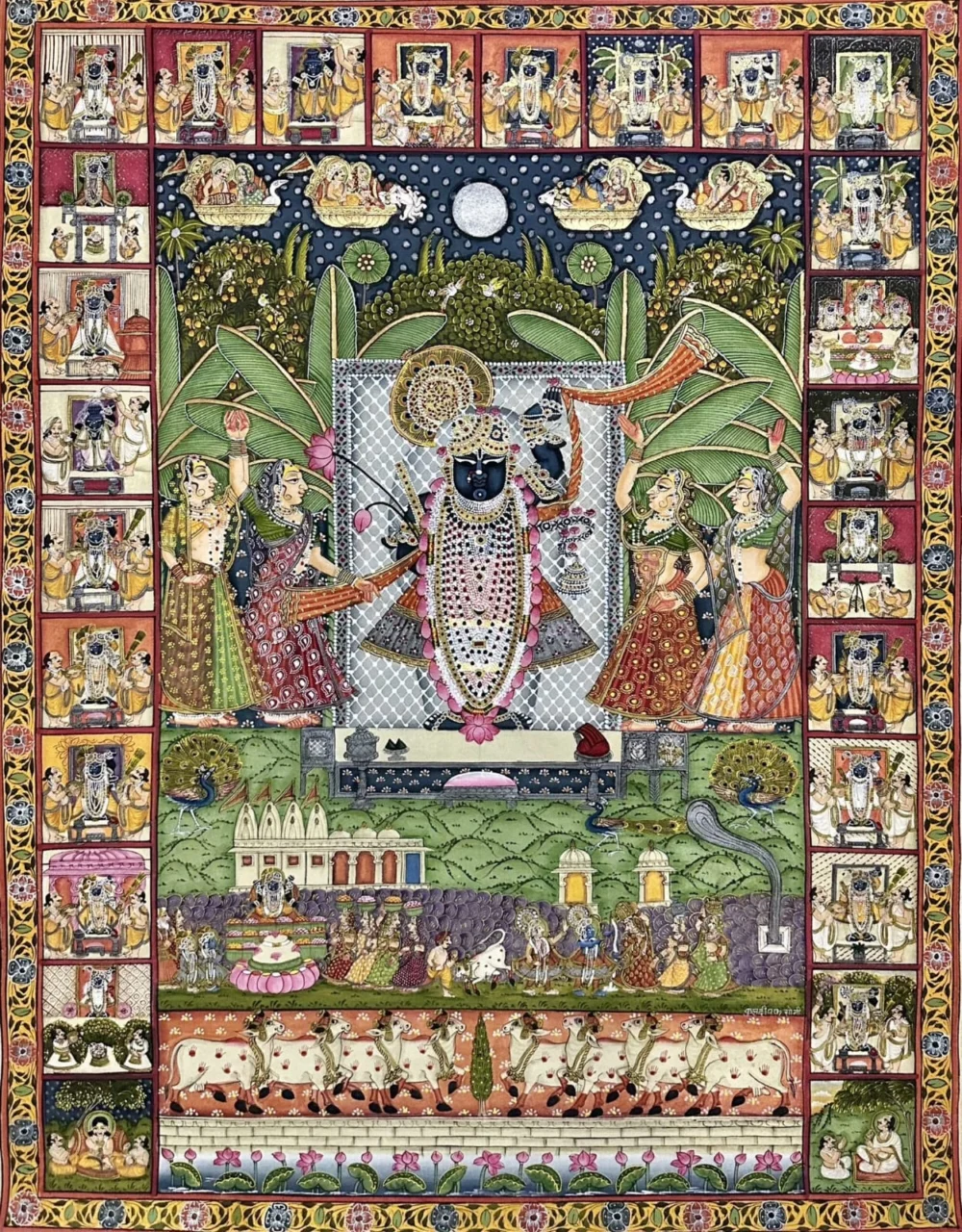
These artworks are highly intricate, often depicting scenes from Krishna’s life, festivals like Janmashtami, Raas Leela, and Annakut. Artists use natural pigments and fine brushes to create detailed motifs such as lotuses, cows, and gopis. Each piece is rich in symbolism and designed to evoke a spiritual atmosphere.
Pattachitra (Odisha)
Odisha’s Pattachitra is a classical scroll painting tradition deeply rooted in Hindu belief, especially the Jagannath cult. The term combines patta (cloth) and chitra (picture).
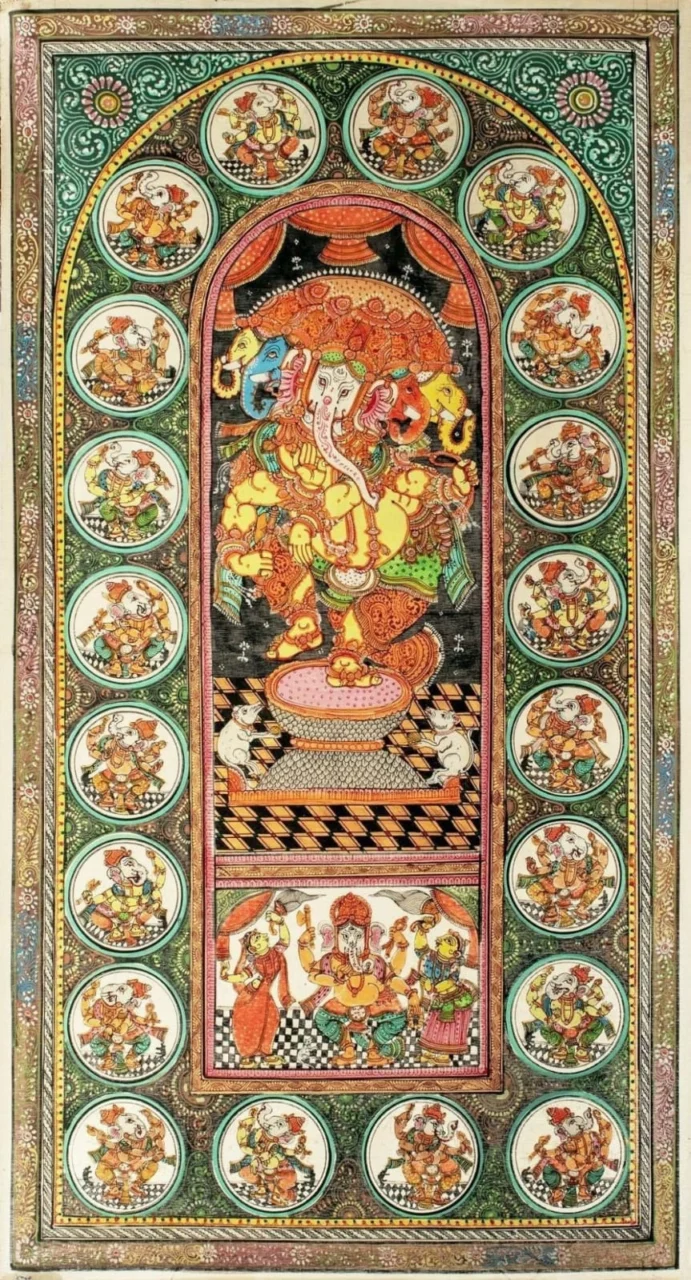
Artists prepare the canvas by coating cloth with a mixture of chalk and tamarind seed paste, creating a smooth surface. Natural dyes derived from minerals and plants are used, and brushes are often made from animal hair. Themes typically revolve around Bhagwan Jagannath, Krishna Leela, and tales from the Ramayana and Mahabharata. The style is known for its bold outlines and intricate borders.
Gond Art (Madhya Pradesh)
Practised by the Gond tribe in Madhya Pradesh, Gond art is a vibrant tribal tradition that transforms everyday life and folklore into mesmerising visual patterns.
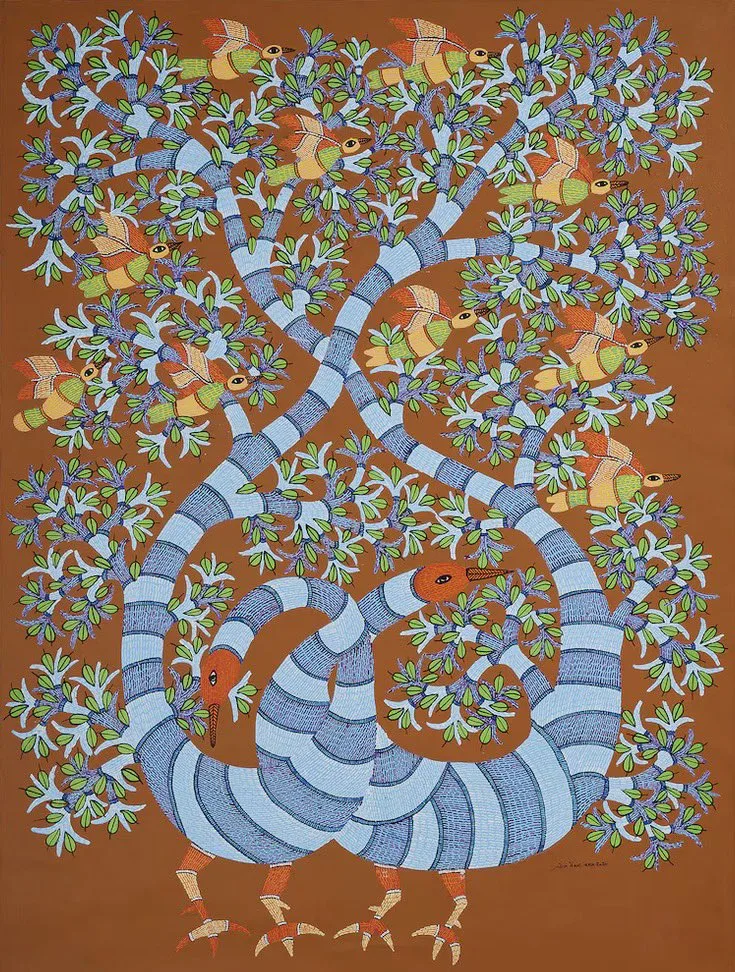
Originally painted on walls and floors, modern Gond art is now also done on paper and canvas. It is characterised by intricate patterns made of dots, lines, and dashes that fill larger forms like animals, trees, and deities. Each pattern carries symbolic meaning, often representing harmony with nature and spiritual beliefs.
Madhubani Art (Bihar)
Also known as Mithila painting, Madhubani art originates from Bihar. Traditionally practised by women, it was created on mud walls during festivals and ceremonies.
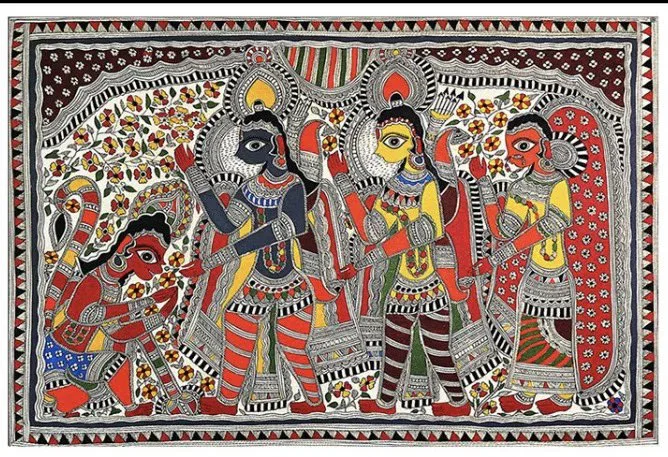
The art uses natural pigments and features bold colours, geometric patterns, and symbolic imagery. Common themes include Hindu deities, nature, marriage rituals, and fertility symbols. Distinct styles like Bharni, Katchni, and Tantrik reflect different techniques and purposes within the tradition.
Kalamkari (Andhra Pradesh & Telangana)
Kalamkari is an ancient textile art from Andhra Pradesh and Telangana. The name comes from kalam (pen) and kari (craftsmanship).
There are two main styles:
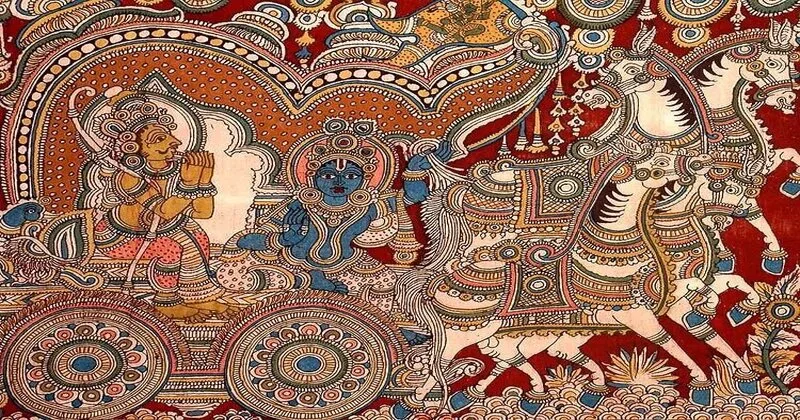
* Srikalahasti style: entirely hand-painted using a pen
* Machilipatnam style: uses block printing
The process involves multiple steps of dyeing, washing, and hand-painting using natural dyes. Themes often include mythological stories, the Tree of Life, and intricate floral patterns.
Warli Art (Maharashtra)
One of India’s oldest tribal art forms, Warli art originates from Maharashtra and is believed to be over 4,000 years old.
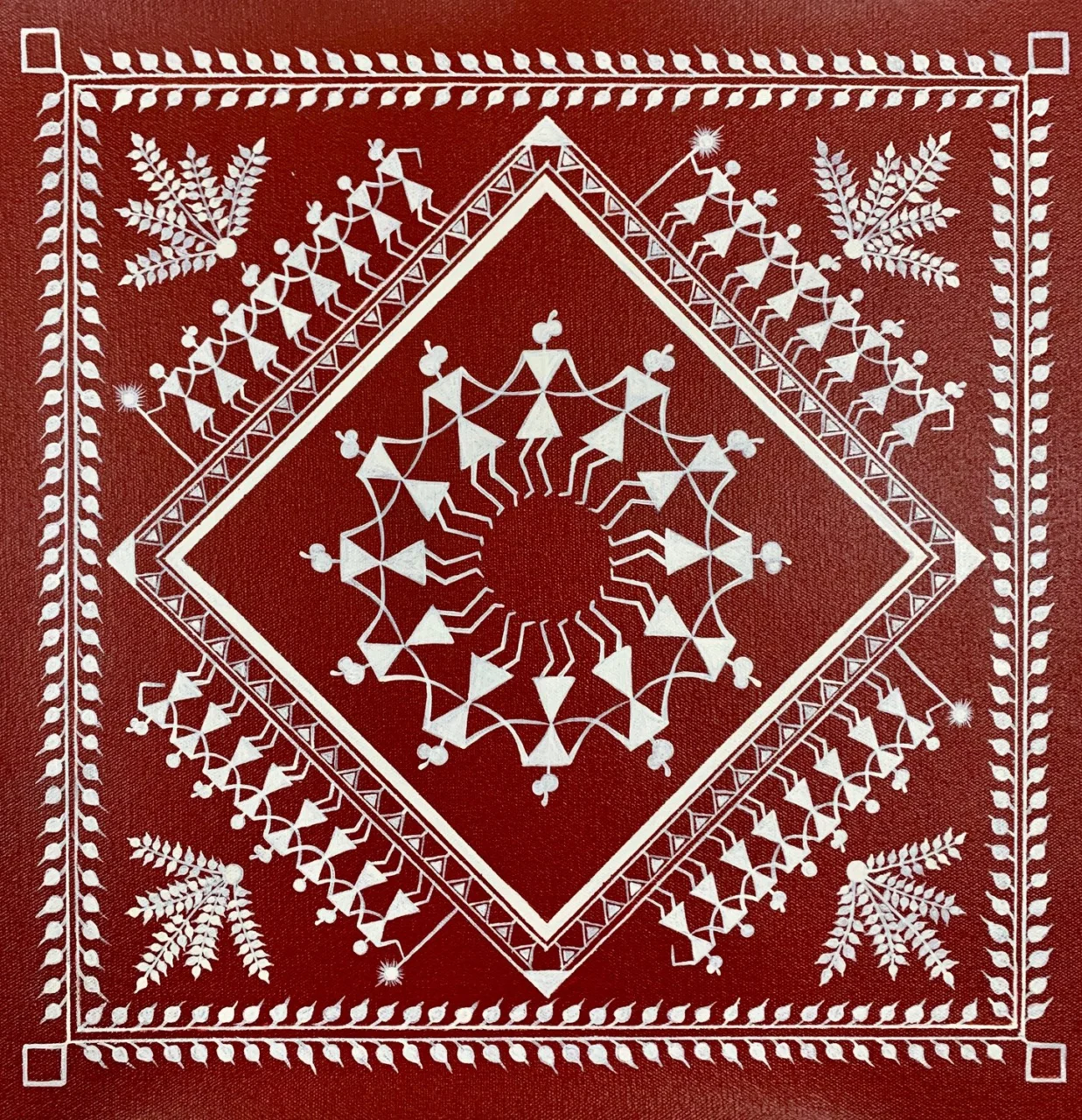
It is known for its minimalistic style, using white pigment made from rice paste on mud backgrounds. The art employs basic geometric shapes—circles, triangles, and squares—to depict scenes of daily life, farming, hunting, and rituals. Despite its simplicity, Warli art conveys profound cultural narratives and community values.
Batik Art (West Bengal & Gujarat)
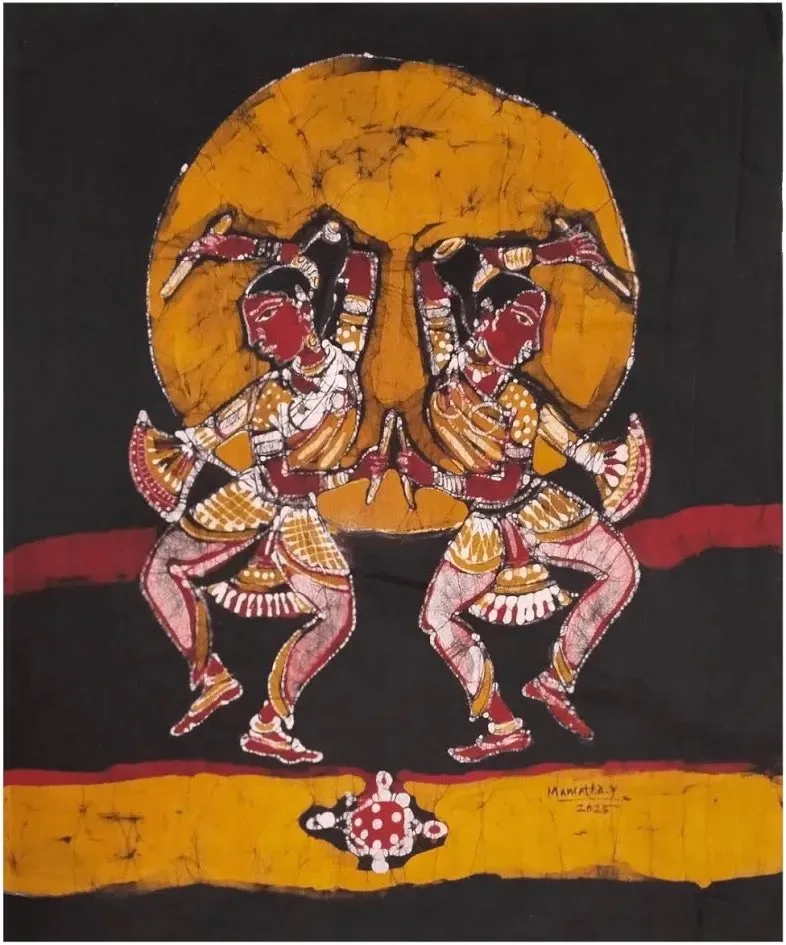
Batik is a wax-resist dyeing technique that gained prominence in West Bengal, especially in Santiniketan, and is also practised in Gujarat and Rajasthan. The process involves applying molten wax to fabric, dyeing it, and then removing the wax to reveal intricate patterns. Multiple layers of waxing and dyeing create complex, multicoloured designs. Batik is widely used for sarees, scarves, and home décor.
Tanjore (Thanjavur) Painting (Tamil Nadu)
Originating from Thanjavur, Tanjore painting is a classical South Indian art form known for its opulence.
These paintings are created on wooden panels and feature:
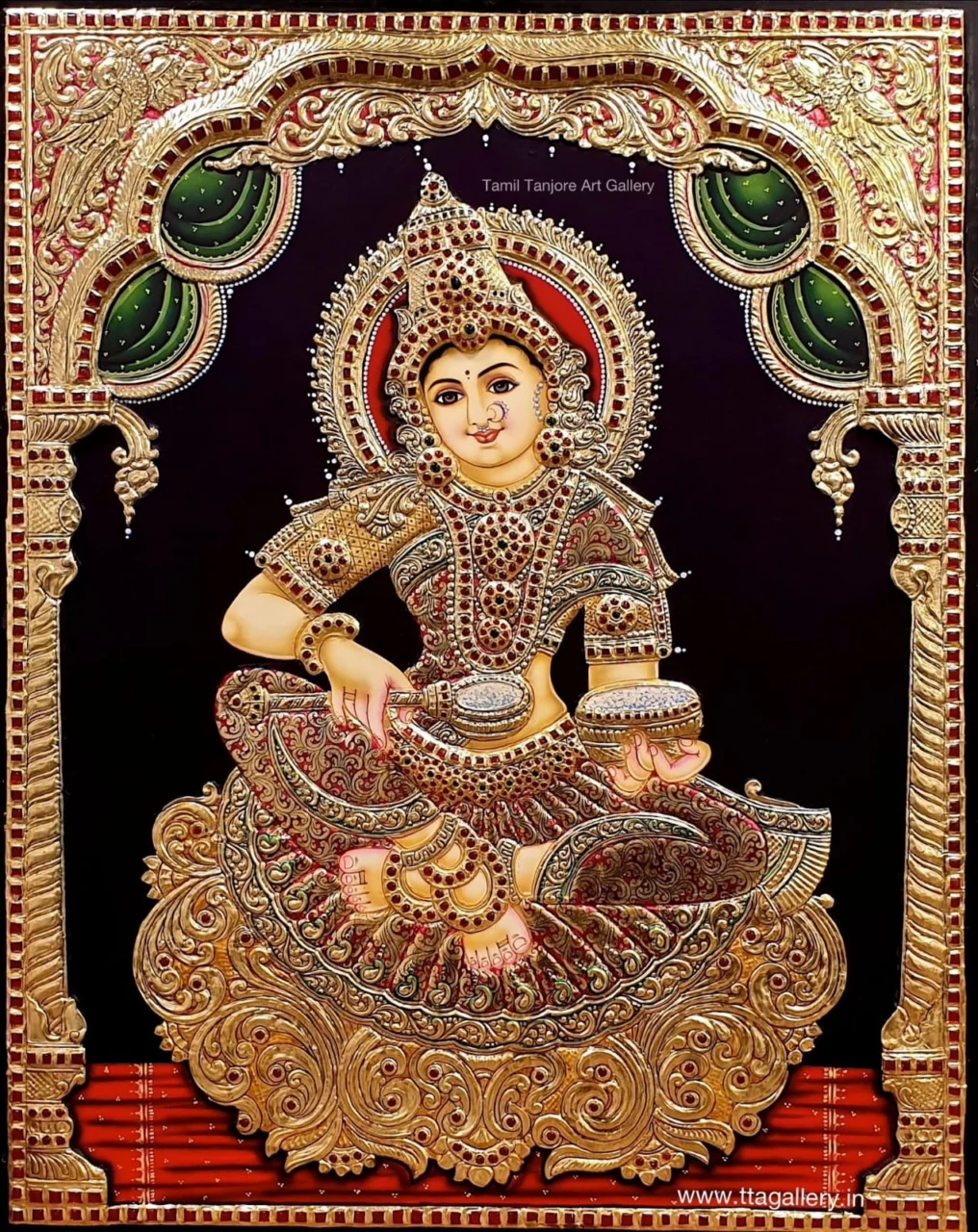
* Rich, vibrant colors
* Gold foil (often 22–24 carat)
* Embedded semi-precious stones
They primarily depict Hindu gods and goddesses, with a focus on symmetry and divine grandeur, giving them a distinctive three-dimensional effect.
Phad Art (Rajasthan)
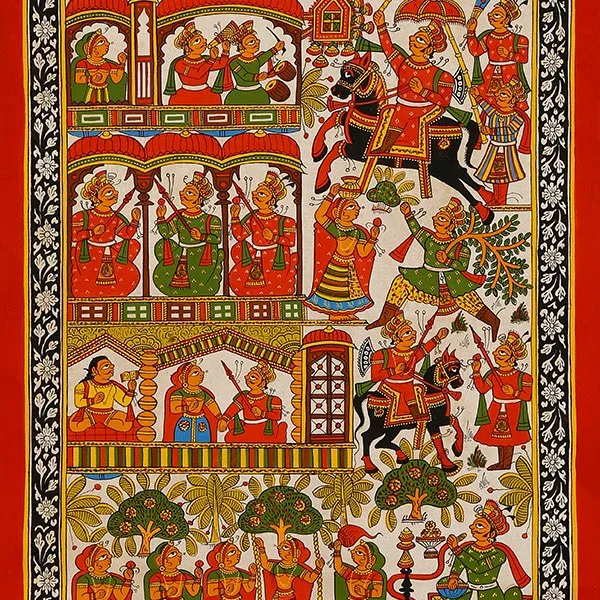
Phad is a 700-year-old scroll painting tradition from Bhilwara and Shahpura. These long cloth scrolls narrate the stories of local deities like Devnarayan and Pabuji. Traditionally, they were used by travelling pandits (Bhopas), who would sing the stories depicted in the paintings, effectively turning the artwork into a mobile temple and storytelling medium.
Rogan Art (Gujarat)
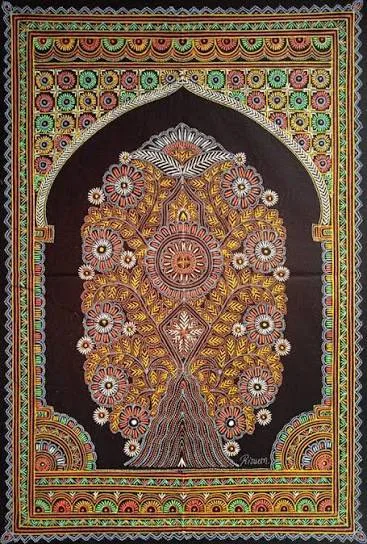
Rogan art is a rare textile craft from Kutch, particularly the village of Nirona. The technique involves using a thick paste made from castor oil and natural pigments. Artists use a metal rod to draw intricate designs on fabric without directly touching it. Often, the design is folded to create a perfect mirror image. This painstaking process makes Rogan art extremely unique and labour-intensive.
Chittara Art (Karnataka)
Chittara is an eco-friendly folk art practised in the Malnad region of Karnataka by the Deevaru community. Also known as Hase Chitra, it is traditionally painted on walls during auspicious occasions like weddings and festivals. Artists use natural materials such as rice paste, red mud, and plant extracts.
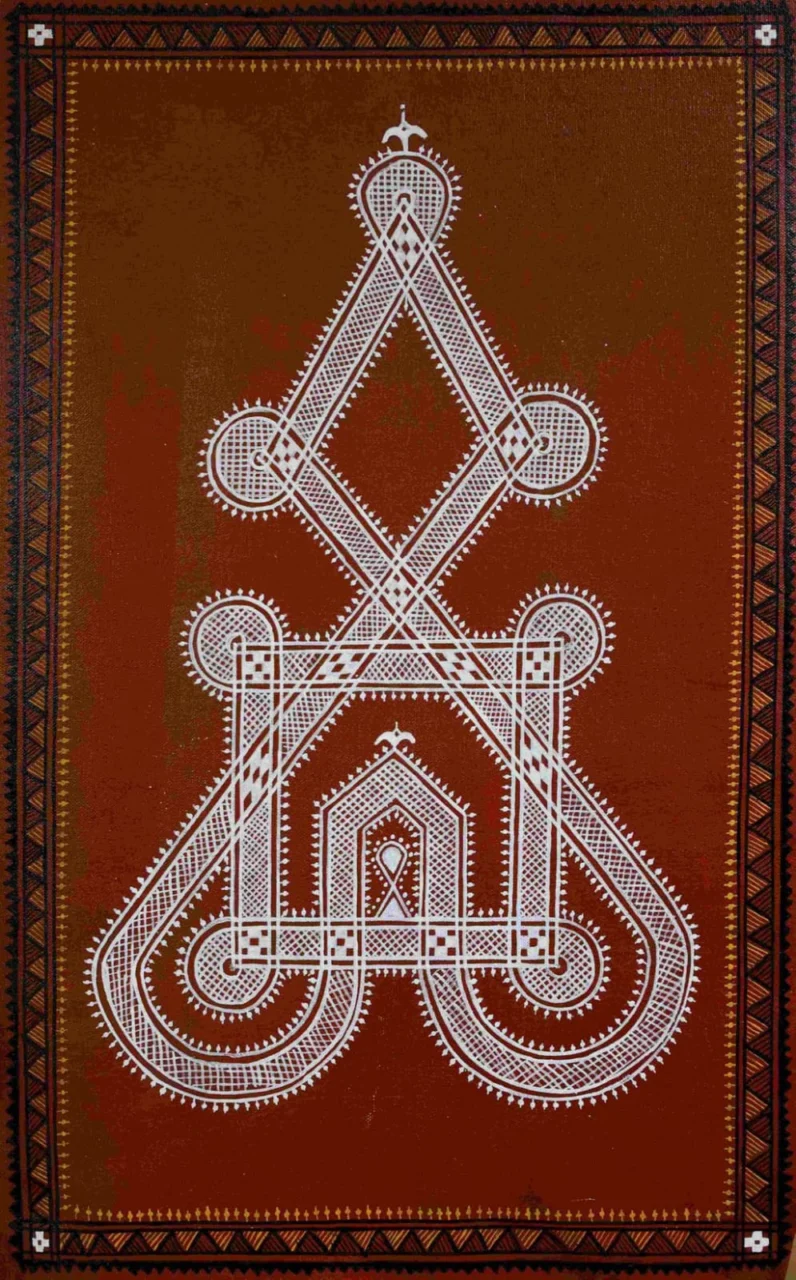
The art features geometric patterns, symbols of prosperity, and depictions of daily life, reflecting harmony with nature and cultural beliefs. These art forms are more than just visual expressions; they are living traditions that carry centuries of history, spirituality, and cultural identity. From temple backdrops to tribal storytelling, each style offers a unique glimpse into India’s diverse heritage.