Attack on Nuclear Installations: A threat to the survival of humanity
June 30, 2026
  • Read Ecopy
  • Circulation
  • Advertise
  • Careers
  • About Us
  • Contact Us
Android AppiPhone AppArattai
Organiser
  • ‌
  • Bharat
    • Assam
    • Bihar
    • Chhattisgarh
    • Jharkhand
    • Maharashtra
    • View All States
  • World
    • Asia
    • Europe
    • North America
    • South America
    • Africa
    • Australia
  • Editorial
  • International
  • Opinion
  • RSS @ 100
  • More
    • Op Sindoor
    • Analysis
    • Sports
    • Defence
    • Politics
    • Business
    • Economy
    • Culture
    • Special Report
    • Sci & Tech
    • Entertainment
    • G20
    • Azadi Ka Amrit Mahotsav
    • Vocal4Local
    • Web Stories
    • Education
    • Employment
    • Books
    • Interviews
    • Travel
    • Law
    • Health
    • Obituary
  • Subscribe
    • Subscribe Print Edition
    • Subscribe Ecopy
    • Read Ecopy
  • ‌
  • Bharat
    • Assam
    • Bihar
    • Chhattisgarh
    • Jharkhand
    • Maharashtra
    • View All States
  • World
    • Asia
    • Europe
    • North America
    • South America
    • Africa
    • Australia
  • Editorial
  • International
  • Opinion
  • RSS @ 100
  • More
    • Op Sindoor
    • Analysis
    • Sports
    • Defence
    • Politics
    • Business
    • Economy
    • Culture
    • Special Report
    • Sci & Tech
    • Entertainment
    • G20
    • Azadi Ka Amrit Mahotsav
    • Vocal4Local
    • Web Stories
    • Education
    • Employment
    • Books
    • Interviews
    • Travel
    • Law
    • Health
    • Obituary
  • Subscribe
    • Subscribe Print Edition
    • Subscribe Ecopy
    • Read Ecopy
Organiser
  • Home
  • Bharat
  • World
  • Operation Sindoor
  • Editorial
  • Analysis
  • Opinion
  • Culture
  • Defence
  • International Edition
  • RSS @ 100
  • Magazine
  • Read Ecopy
Home World

Attack on Nuclear Installations: A deepening threat to the survival of humanity

India has always supported the peaceful use of nuclear energy and the policy of global security and strategic restraint. But the current global situation is challenging this balanced approach. If the United Nations and international nuclear agencies fail to impose strict global restrictions on such attacks in time and if major powers do not abandon their rigid and aggressive postures, future wars may take the form of nuclear wars with nuclear bomb explosions putting the very existence of the earth at risk

Dr Manmohan PrakashDr Manmohan Prakash
Apr 12, 2026, 12:30 pm IST
in World, West Asia, Opinion, Asia
Follow on Google News
Representative Image

Representative Image

FacebookTwitterWhatsAppTelegramEmail

In the current phase of global politics, the rapidly changing nature of warfare is signaling a serious threat to the survival of humanity. Traditionally, wars were fought between armies at borders, where strategic norms were followed and civilian areas, medical institutions and essential infrastructure were kept separate from conflict zones. However, in contemporary warfare, this Lakshman Rekha appears to be completely dismantled. In today’s conflicts, not only are civilian establishments being targeted, but the growing threat of attacks on nuclear facilities has made the global security environment even more alarming. Along with this changing war strategy, the increasing use of simple short distance missiles to long distance intercontenental supersonic, hypersonic missiles and drone technology has given rise to a new crisis of environmental pollution, in addition to large-scale human and economic losses.

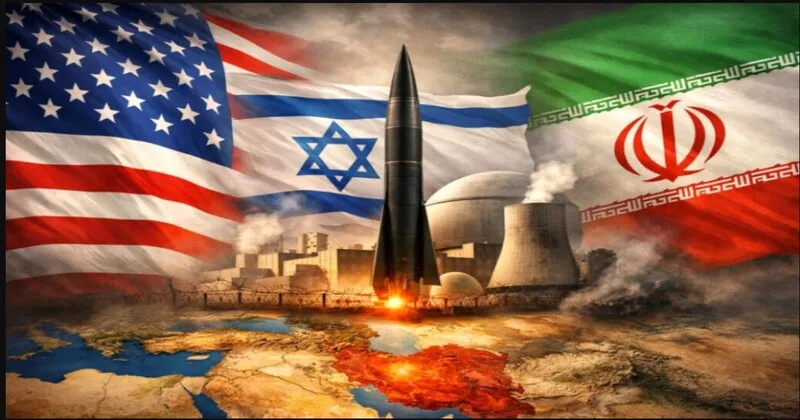
The ongoing Russia-Ukraine conflict and the Israel-Hamas war in West Asia have not only pushed the global economy into inflationary pressure but have also intensified the sense of insecurity among nations. Amid this instability, the attack of the United States and Israel on Iran and the possible attempts to target Iran’s nuclear research facilities have created deep tension in the international community. Iran’s warning of retaliatory action by targeting Israel’s nuclear installations is pushing this crisis toward a potential nuclear disaster whose consequences would not remain confined to a single nation. This modern form of warfare, which is increasingly centered around infrastructure, energy systems and nuclear plants, could prove catastrophic for the entire human civilization.

Also Read: Energy resilience of India amid West Asia crisis; How Strategic realism delivers oil at reasonable prices to people

Any military attack on nuclear installations is not merely a strategic action but an unforgivable crime against all forms of life. If a radioactive leak occurs at a nuclear facility, its impact can spread across vast regions, cross national borders and remain indifferent to the distinction between friendly and enemy nations. The world has already witnessed the devastating effects of radiation during the atomic bombings of the Second World War and in disasters such as Chernobyl and Fukushima. Radiation leakage can poison future generations, destroy agricultural fertility and contaminate water sources for decades. International humanitarian law and the additional protocols of the Geneva Conventions clearly prohibit targeting nuclear power plants in warfare because the damage caused by such actions is irreparable. Despite this, using nuclear installations as a tool of strategic pressure and power demonstration is a blatant violation of international law. It is crucial to understand that although an attack on nuclear facilities may not technically fall under the category of direct “nuclear war”, its consequences can be equally destructive.

Observing these wars, almost all countries today are accelerating the race for the accumulation of deadly weapons while neglecting basic sectors such as poverty, education and healthcare. India has always supported the peaceful use of nuclear energy and the policy of global security and strategic restraint. But the current global situation is challenging this balanced approach. If the United Nations and international nuclear agencies fail to impose strict global restrictions on such attacks in time and if major powers do not abandon their rigid and aggressive postures, future wars may take the form of nuclear wars with nuclear bomb explosions putting the very existence of the earth at risk.


Topics: WarNuclear weaponsHumanityWest Asia Crisis
ShareTweetSendShareSend
✮ Subscribe Organiser YouTube Channel. ✮
✮ Join Organiser's WhatsApp channel for Nationalist views beyond the news. ✮
Previous News

Keralam: BJP slams political use of religion, cites rising Christian support, exposes Congress and Deepika Newspaper

Next News

Keralam: Police probe Kumbh Mela viral girl marriage row amid criticism over inaction on CPI(M) leaders

Related News

UAE President Sheikh Mohamed bin Zayed Al Nahyan and Prime Minister Narendra Modi(File Photo)

UAE to buy BrahMos & Akashteer: Big win for India’s defence ecosystem to seal regional security amid West Asia crisis

From the Gulf to the Americas, India redraws its LPG supply map to strengthen energy resilience

India’s Energy Diplomacy: How alternative LPG sourcing helps New Delhi navigate the West Asia crisis

Significance of Sanatan Dharma in Digital Era: A guide to ensure ethical practices & serve humanity

Representative Image

The Labyrinth of War: Easy to enter; Difficult to exit

Representative Image

Decoding Hezbollah: How the terror group built a massive arsenal against Israel

India seals robust 7.7% GDP Growth in FY26: Reflects economic resilience amid West Asia crisis & other global headwinds

Load More

Latest News

The Indian women's cricket team has qualified for the LA28 Olympics as the ICC confirmed the qualification pathway for cricket's historic Olympic return

Cricket’s return to the Olympic Games is a landmark moment: ICC Chairman Jay Shah

President Droupadi Murmu paid tribute to the heroes of the Santhal rebellion on the occasion of Hul Diwas

Hul Diwas: President Murmu pays tribute to heroes of Santhal rebellion, says their sacrifice will inspire forever

A representative image

Escalating unrest and civilian casualties in Pakistan Occupied Jammu and Kashmir: A 15 year overview

A representative image

Twelve years of pension reforms: Over 3.28 lakh PPOs issued through Bhavishya platform

Representative image made using AI

Religious festival or display of violence? 12 incidents of killings and attempts to kill Hindus during Muharram

A representative image

Nirbhay Chetna: Govt launches world’s largest gender sensitisation drive for women, targets 17.5 lakh representatives

A representative image made from AI

From Digital Consumer to Technology Powerhouse: How India is building technologies that are shaping Viksit Bharat 2047

Representative image

FCRA Amendment Bill 2026: Why evangelical groups are rattled over India’s oversight on foreign funding

Sir Dinshaw Maneckji Petit Birth Anniversary: Remembering Bombay's Textile Pioneer

Birth Anniversary of Sir Dinshaw Petit: The visionary who built Bombay’s textile empire

Guru Hargobind ji

Remembering Guru Hargobind Ji on Prakash Parv: Visionary who united spirituality with the sword of justice

Load More
  • Privacy
  • Terms
  • Cookie Policy
  • Refund and Cancellation
  • Delivery and Shipping

© Bharat Prakashan (Delhi) Limited.
Tech-enabled by Ananthapuri Technologies

  • Home
  • Search Organiser
  • Bharat
    • Assam
    • Bihar
    • Chhattisgarh
    • Jharkhand
    • Maharashtra
    • View All States
  • World
    • Asia
    • Africa
    • North America
    • South America
    • Europe
    • Australia
  • Editorial
  • Operation Sindoor
  • Opinion
  • Analysis
  • Defence
  • Culture
  • Sports
  • Business
  • RSS @ 100
  • Entertainment
  • More ..
    • Sci & Tech
    • Vocal4Local
    • Special Report
    • Education
    • Employment
    • Books
    • Interviews
    • Travel
    • Health
    • Politics
    • Law
    • Economy
    • Obituary
  • Subscribe Magazine
  • Read Ecopy
  • Advertise
  • Circulation
  • Careers
  • About Us
  • Contact Us
  • Policies & Terms
    • Privacy Policy
    • Cookie Policy
    • Refund and Cancellation
    • Terms of Use

© Bharat Prakashan (Delhi) Limited.
Tech-enabled by Ananthapuri Technologies