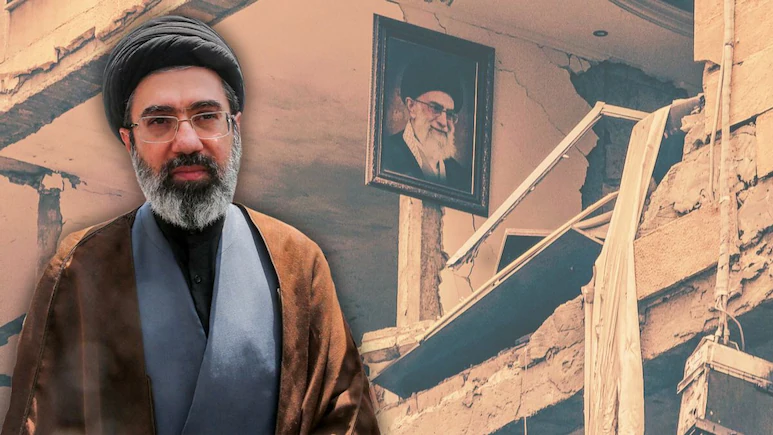
A major development came in the ongoing conflict between Iran and the United States, as Iran’s Supreme Leader Mojtaba Khamenei has ordered all branches of the country’s military to cease fire. The directive came shortly after US President Donald Trump publicly announced that Washington and Tehran had reached a temporary ceasefire understanding.
The announcement marks a pause in hostilities after weeks of escalating tensions and military exchanges that have affected several parts of the Middle East.
However, Iranian authorities have emphasised that this ceasefire is conditional and should not be seen as the end of the conflict.
Ceasefire announcement and immediate response
According to a statement broadcast on Iran’s state-run television network IRIB, the Supreme Leader instructed all military units to immediately halt offensive operations. The message was aired roughly two hours after Trump declared that both nations had agreed to a two week ceasefire period aimed at creating space for diplomatic negotiations.
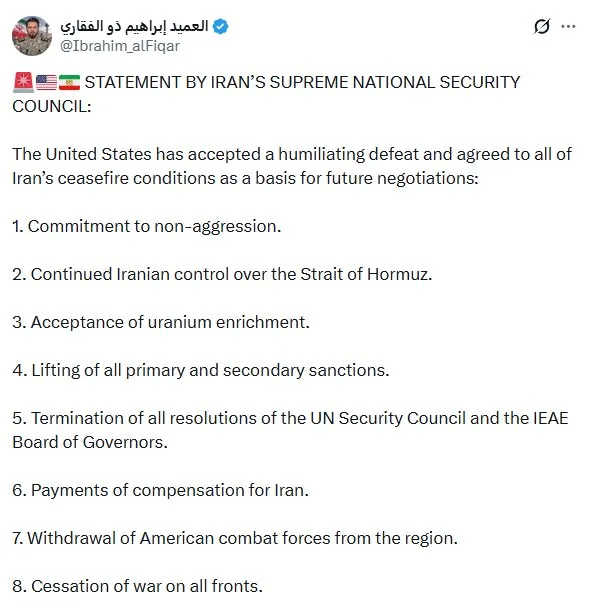
The statement clearly underlined that the ceasefire is temporary. It said that while military operations must stop for now, the broader conflict remains unresolved. Iranian leadership indicated that the pause in fighting is tied directly to the progress of upcoming talks with the United States.
Iran claims strategic success
At the same time, Iran’s Supreme National Security Council issued statements suggesting that Tehran considers the current phase of the conflict a success. Officials claimed that nearly all major objectives set at the beginning of the war have been achieved.
The conflict, which lasted around 40 days, was described by Iranian authorities as a calculated effort to secure political and strategic gains. These included pushing for recognition of Iran’s regional influence and compelling global powers to engage with its demands.
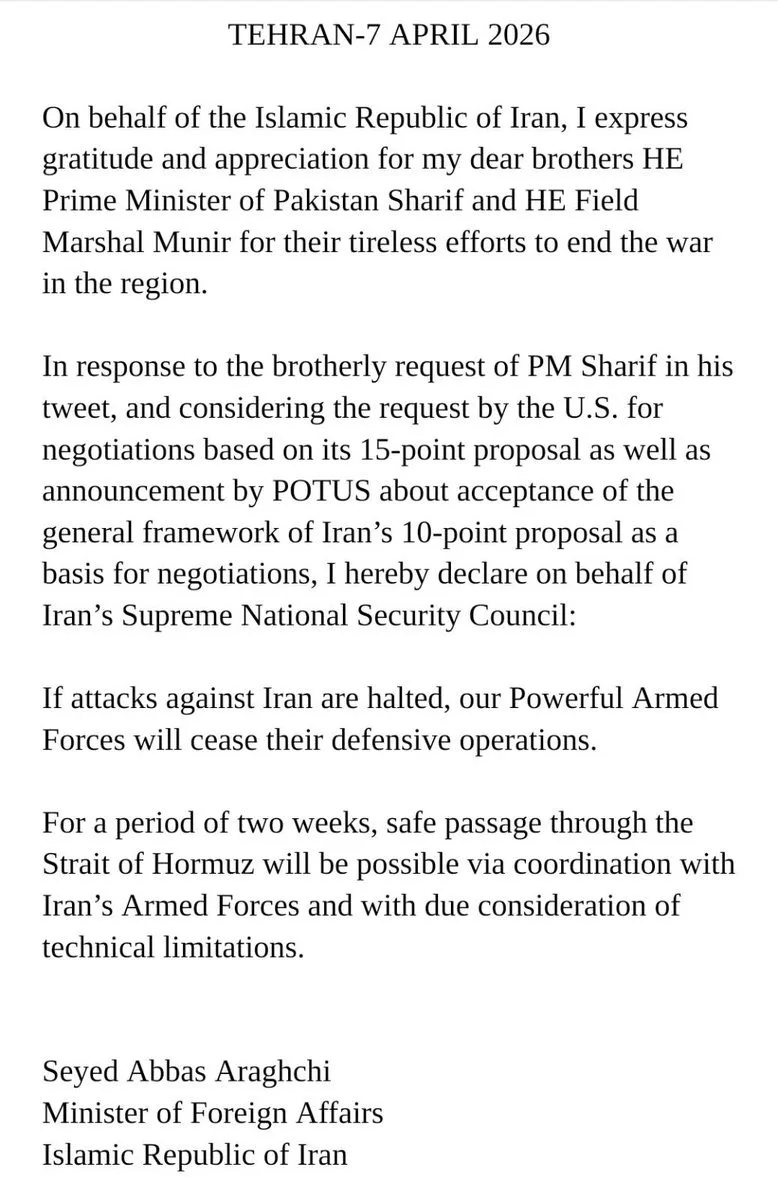
Iran also highlighted that it had refused to comply with earlier deadlines set by the United States. Instead, it maintained its stance and continued military operations until it believed its goals had largely been met.
Reports indicated that Iranian officials are portraying the ceasefire as a diplomatic victory. They claim that the United States has shown willingness to consider key elements of Iran’s proposed 10 point framework, including easing sanctions and releasing Iranian financial assets held abroad.
The next phase of the process will involve direct negotiations between the two sides. These talks are expected to take place in Islamabad and could last up to two weeks.
Iran has stated that discussions will strictly follow its proposed framework. The plan reportedly includes demands related to regional security arrangements, removal of economic sanctions, and formal recognition of Iran’s geopolitical position.
Other key elements include reopening and regulating the Strait of Hormuz, withdrawal of US military forces from the region, and access to frozen Iranian funds held internationally. Iran is also pushing for the final agreement to be endorsed through a binding resolution at the United Nations Security Council, which would give it global legal backing.
Trump pulls back from military threats
Just hours before announcing the ceasefire, Trump had been considering large scale military strikes targeting Iranian infrastructure such as bridges and power plants. These actions were reportedly part of a deadline driven strategy to pressure Tehran.
However, the US President decided to hold back after what he described as meaningful progress toward a workable peace framework. This shift indicates a move from military escalation to diplomatic engagement.
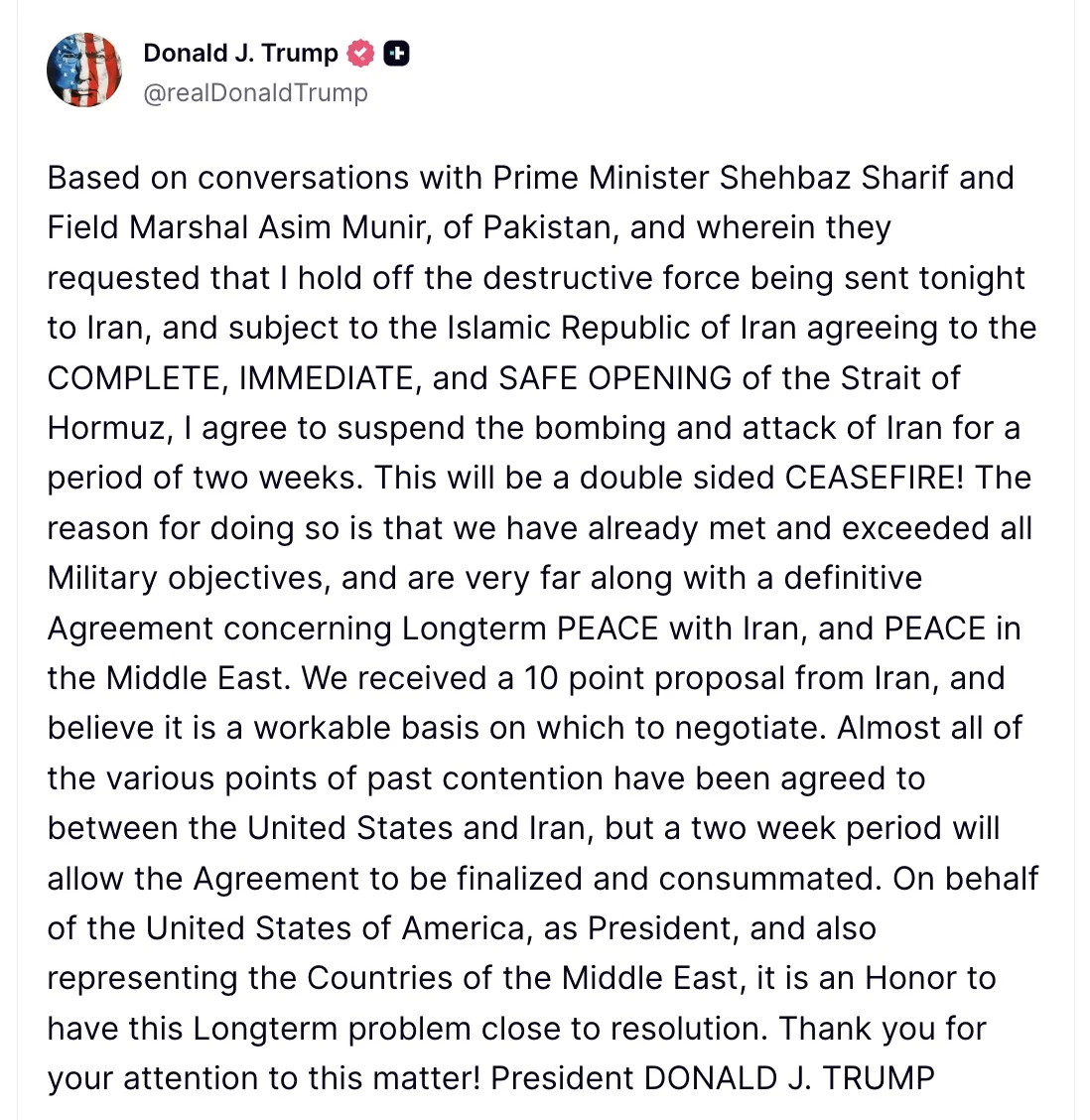
The ceasefire agreement also includes provisions to reopen the Strait of Hormuz, a crucial route for global oil shipments that has faced disruptions during the conflict. Ensuring safe passage through this waterway is a key priority for both sides due to its impact on international energy markets.
The Strait of Hormuz remains one of the most critical aspects of the negotiations. This narrow waterway is a vital channel for global oil supply, and its disruption has had significant economic implications worldwide.
Iranian Foreign Minister Abbas Araghchi indicated that Iran could oversee passage through the strait under its military supervision. There are also discussions about collecting transit fees from vessels using the route, potentially in cooperation with regional players.
The future management of this strategic corridor is likely to be a decisive factor in determining the success of the negotiations.
Despite the announcement of a ceasefire, the situation on the ground remains tense. Missile and drone alerts were reported in several parts of the Gulf region, including the United Arab Emirates, Saudi Arabia, Bahrain and Kuwait.
US forces have reportedly shifted to a defensive posture, while Israeli operations targeting Iranian linked positions continued during the same period. These developments highlight the fragile nature of the ceasefire and the risk of renewed escalation.
The conflict has already caused significant casualties across multiple countries including Iran, Israel and Lebanon. The humanitarian and economic costs have added urgency to diplomatic efforts aimed at reaching a lasting resolution.
While the ceasefire offers a temporary break from active conflict, both sides have made it clear that the outcome of negotiations will determine the future course of action. Iran has warned that military operations could resume if its demands are not met.
The coming weeks of talks in Islamabad are expected to be crucial. They will test whether both nations can move beyond confrontation and reach a sustainable agreement, or whether the region will once again slide into conflict.
For now, the guns may have fallen silent, but the larger battle over influence, security and political control in the region is far from over.