The United States has outlined a firm negotiating position ahead of its upcoming talks with Iran, making it clear to Israel that it will push for sweeping restrictions on Tehran’s nuclear and missile capabilities. According to reports, Washington intends to demand that Iran remove nuclear material from its territory, halt uranium enrichment activities, and significantly scale down its ballistic missile programme.
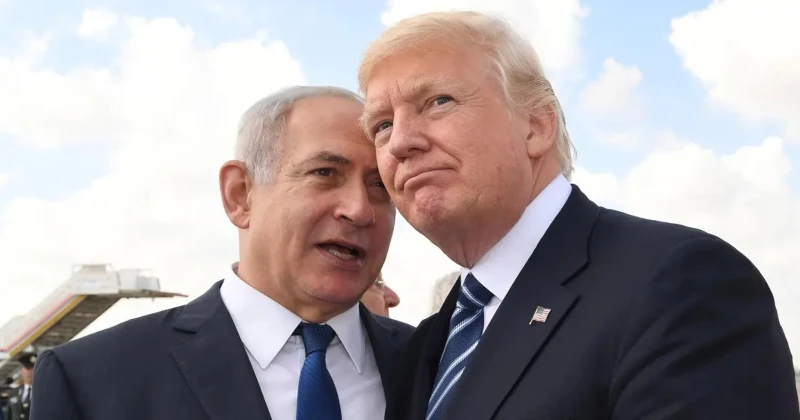
The communication reflects close coordination between the United States and Israel as both countries align their strategic objectives in dealing with Iran’s nuclear ambitions.
Officials familiar with the discussions quoted in media indicated that the administration of US President Donald Trump plans to take a firm stance during negotiations. The US is expected to insist on complete compliance from Iran on key security concerns that have long been at the centre of global tensions.
These demands include not only halting uranium enrichment but also removing existing nuclear material, a move that would significantly limit Iran’s ability to develop nuclear weapons. In addition, Washington is seeking to address the threat posed by Iran’s ballistic missile capabilities.
An official cited in the report described these goals as “shared priorities” between the United States and Israel, underlining the strong alignment between the two allies.
The report also suggested that Iran’s negotiating position may have shifted in recent days. This perceived change has been attributed to sustained military pressure and targeted strikes on critical infrastructure during the ongoing conflict.
According to officials, Tehran has shown signs of backing away from some of its earlier demands. The reopening of the Strait of Hormuz, a key condition set by Washington, is being viewed as one such concession.
Iran’s willingness to engage in talks is being interpreted by some as a response to the cumulative impact of military actions and economic pressure.
The negotiations come in the backdrop of a fragile two week ceasefire agreement between the United States and Iran. The truce was reached just before a deadline set by President Trump for potential escalation.
As part of the arrangement, Iran agreed to allow temporary reopening of the Strait of Hormuz, a crucial global shipping route through which a significant portion of the world’s oil supply passes.
Trump had linked the suspension of US military strikes to this condition, emphasizing the strategic importance of ensuring uninterrupted energy flows.
President Trump has described the ceasefire outcome as a major success for the United States. In public remarks, he characterised the development as a “total and complete victory,” expressing confidence that key issues, including Iran’s nuclear programme, would be resolved through negotiations.
He also indicated that Iran’s uranium stockpile would be “taken care of” as part of the ongoing diplomatic process, suggesting optimism within the US administration about achieving its objectives.
Trump further hinted at international involvement in bringing Iran to the negotiating table, noting that countries like China may have played a role in encouraging dialogue.
The path to the ceasefire was marked by intense military activity. In the hours leading up to the agreement, both US and Israeli forces carried out strikes on Iranian infrastructure.
Israeli Prime Minister Benjamin Netanyahu stated that targets included key transport networks allegedly used by Iran’s Revolutionary Guards. Iranian authorities reported damage to infrastructure such as bridges and railways, along with casualties.
The conflict also saw Iran launching missile and drone attacks on targets across the region, including areas hosting US military presence. These exchanges underscored the high stakes involved and the urgency of diplomatic intervention.
The broader conflict has had significant consequences across the Middle East. Reports indicate casualties in multiple countries, including incidents in Iraq, Qatar, Bahrain and Saudi Arabia linked to missile strikes and debris.
Civilian casualties, including children, have highlighted the human cost of the escalation. Infrastructure damage in Iran has further added to the economic and humanitarian challenges facing the region.
The economic impact of the conflict has been closely tied to developments in the energy sector, making the outcome of negotiations critical not just for regional security but also for global markets.
Despite the diplomatic progress, significant uncertainties remain. Iran has publicly maintained demands that include lifting US sanctions, retaining influence over regional waterways, and reducing foreign military presence in the region.
There are also differing assessments about Iran’s nuclear capabilities. While the US has expressed concerns about Tehran nearing the development of nuclear weapons, international observers, including United Nations agencies, have offered more cautious evaluations.
The upcoming negotiations are expected to address these complex issues, but reaching a comprehensive agreement will require bridging deep divisions.
The outcome of these talks could have far reaching implications for regional and global security. A successful agreement could ease tensions and establish a framework for long term stability.
However, failure to reach consensus may risk renewed escalation, potentially undoing the fragile ceasefire currently in place.