
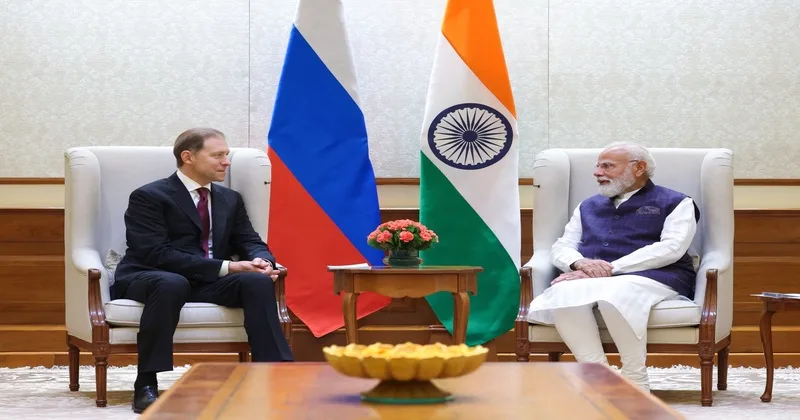
New Delhi: As tensions ripple across West Asia amid the ongoing Iran conflict, Russia has stepped in with an offer to scale up oil and natural gas supplies to India, positioning itself as a dependable alternative as traditional supply routes linked to Iran face uncertainty. The proposal was made during high-level discussions between Russia’s First Deputy Prime Minister Denis Manturov and Prime Minister Narendra Modi.
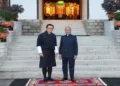
Manturov, who is on a two-day visit to India, called on Modi on Thursday and held detailed talks aimed at strengthening bilateral cooperation in key sectors such as investment, energy, and industrial development. He also met External Affairs Minister S Jaishankar and National Security Advisor Ajit Doval to discuss broader strategic and security issues. According to an official statement, “particular attention was paid to further strengthening Russia-India trade, economic, investment, energy and industrial cooperation,” highlighting the growing depth of engagement between the two countries.
https://twitter.com/i/status/2039751791374708812
Energy disruptions push India towards Russia
India has already begun increasing its reliance on Russian energy supplies. In March, crude oil imports from Russia surged by nearly 90% compared to February, even as India’s total oil imports declined by around 15%. The drop was largely attributed to disruptions in energy flows from West Asia. The situation has been further aggravated by instability in the Strait of Hormuz, a vital global energy corridor. The disruption led to a sharp 40% decline in India’s LPG imports and also affected LNG shipments, compelling New Delhi to actively seek alternative sources to meet its energy demands.
During his discussions with Indian officials, Manturov also reviewed ongoing defence cooperation. Talks between Doval and Manturov are understood to have covered regional security dynamics and the evolving geopolitical situation. The Russian Embassy stated that Modi and Manturov discussed “specific steps to implement agreements reached” during the India-Russia summit held in December last year, underlining continuity in strategic coordination.
The visit comes shortly after India approved the procurement of an additional batch of five S-400 air defence missile systems from Russia. The decision follows the system’s reported effectiveness during Operation Sindoor, where it played a significant role in enhancing India’s defence posture during the May 7–10 hostilities with Pakistan last year.
India had originally signed a USD 5 billion deal with Russia in October 2018 to acquire five S-400 systems, despite warnings from the United States about possible sanctions under the CAATSA framework. So far, three squadrons have been delivered. Both sides also reviewed the progress made on decisions taken during the summit talks between PM Modi and Russian President Vladimir Putin last December, reaffirming their commitment to deepening strategic and economic ties.