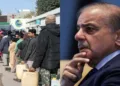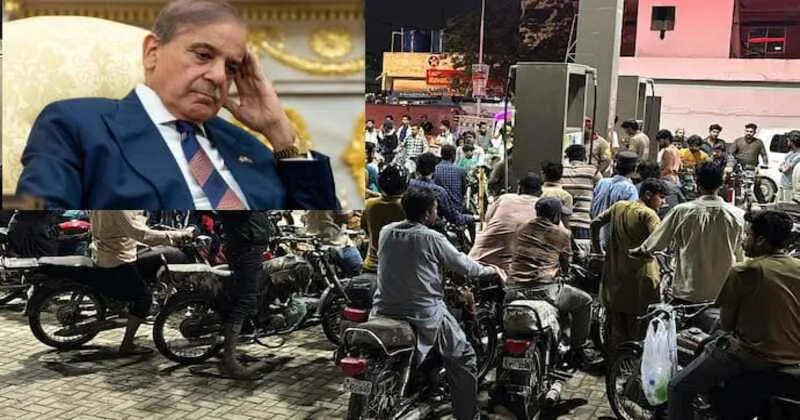
Islamabad: Pakistan on Thursday sharply raised consumer fuel prices, marking its second increase in less than a month, as global oil markets remain volatile amid escalating conflict in West Asia.
The price of diesel has surged by 54.9 per cent to 520.35 Pakistani rupees ($1.88) per litre, while petrol prices have risen by 42.7 per cent to 458.40 Pakistani rupees per litre. The revised rates will come into effect from Friday.
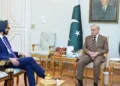
Petroleum Minister Ali Pervaiz Malik said the hike was unavoidable given the sharp rise in international crude prices. Addressing a press conference alongside Finance Minister Muhammad Aurangzeb, Malik stated that global markets had spiralled beyond control following the ongoing US-Iran conflict.
Last month, Pakistan had already increased diesel and petrol prices by nearly 20%, citing similar pressures driven by rising oil prices amid geopolitical tensions involving the United States and Israel’s conflict with Iran.
The development was announced about a week after Prime Minister Shehbaz Sharif revealed that he had turned down a third proposal to raise petrol prices by Rs95 per litre and high-speed diesel (HSD) by Rs203 per litre since the onset of the war. Earlier, the prime minister had also rejected a recommendation to increase petrol prices by Rs 76 per litre and HSD by Rs 177 per litre. He further noted that a similar proposal had been dismissed previously, following a surge in international oil prices on March 13.
The latest price hike is expected to further fuel inflation and intensify the financial burden on Pakistan’s already strained population. The country remains heavily dependent on imported oil, primarily sourced from Saudi Arabia and the United Arab Emirates and transported through the strategically vital Strait of Hormuz.
In response, Finance Minister Aurangzeb announced targeted relief measures aimed at protecting vulnerable sections. The government will offer a subsidy of 100 rupees per litre for two-wheeler users, capped at 20 litres per month, for a duration of three months.
Additionally, support has been extended to the agricultural sector. Small farmers will receive a one-time subsidy of 1,500 rupees per acre. Aurangzeb emphasised that agriculture contributes nearly 24 per cent to Pakistan’s GDP and remains essential for ensuring food security.
Malik noted that the government had already disbursed subsidies worth 129 billion rupees over the past three weeks. However, he acknowledged that sustaining such large-scale financial support was no longer feasible. Limited fiscal resources and the uncertain duration of the conflict have made it impossible to continue blanket subsidies, he said. Global oil prices have remained highly volatile. US crude prices jumped by more than 11 per cent on Thursday, while Brent crude rose over 7 per cent, a day after US President Donald Trump signalled an intensification of military operations in the region.