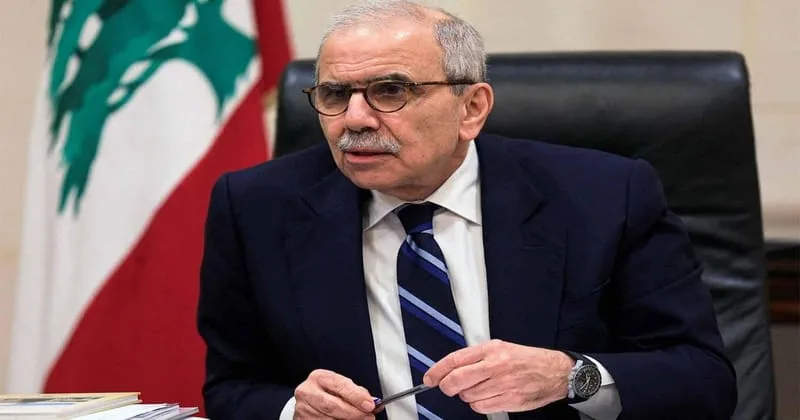
Beirut: Lebanese Prime Minister Nawaf Salam announced a ban on Hezbollah’s military and security activities, restricting the Iran-allied group to the political sphere, hours after Israel launched air raids on Beirut’s southern suburbs in response to Hezbollah’s rocket and drone attack. “We announce a ban on Hezbollah’s military activities and restrict its role to the political sphere,” Salam said on Monday. “We declare our rejection of any military or security operations launched from Lebanese territory outside the framework of legitimate institutions.”
The prime minister described all Hezbollah military activities as “illegal” and called on security forces to prevent any attacks originating from Lebanese territory. He also reaffirmed Lebanon’s commitment to a cessation of hostilities and the resumption of negotiations.
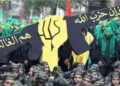
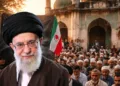
Hezbollah had earlier said its strike on a military missile defence facility near Haifa was in retaliation for the killing of Iranian Supreme Leader Ali Khamenei, claiming the attack was carried out “in defence of Lebanon and its people” and in response to repeated Israeli aggressions. Salam condemned the operation as “an irresponsible and suspicious act that jeopardises Lebanon’s security and safety and provides Israel with pretexts to continue its aggression.”
Israel strikes Beirut, Hezbollah commander killed as crisis deepens
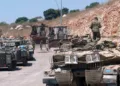
In response, Israel bombed Beirut’s southern suburbs and areas in southern Lebanon, killing more than 30 people and injuring 149, according to Lebanon’s state-run National News Agency.
The Israeli army said an overnight strike in Beirut killed Hussein Makled, identified as the head of Hezbollah’s intelligence headquarters. It accused him of compiling intelligence assessments on Israeli forces and coordinating with senior Hezbollah commanders to plan attacks against Israel, adding that operations against the group would continue. Hezbollah, which operates independently from the Lebanese government, has been weakened since the 2024 war with Israel, during which most of its military and political leaders were killed. Lebanese authorities had agreed to disarm Hezbollah, but the group rejected the plan as a US-Israeli ploy and refused to surrender its weapons north of the Litani River. It maintains that a ceasefire signed in November 2024 applies to disarmament only south of the river.
Last month, the Lebanese government said its military would need at least four months to complete the second phase of its disarmament plan, covering the area between the Litani and Awali rivers, about 40km south of Beirut. In January, it announced completion of the first phase, which covered the area between the Litani River and the southern border with Israel. The Israeli army also ordered residents to leave 18 villages and towns, claiming they were being used by Hezbollah. The US embassy in Beirut urged American citizens not to travel to Lebanon and called on those already in the country to “depart Lebanon NOW while commercial flight options remain available”, warning that the security situation is “volatile and unpredictable”. The escalation threatens to deepen Lebanon’s long-running economic and political crisis as tensions between Israel and Hezbollah intensify.