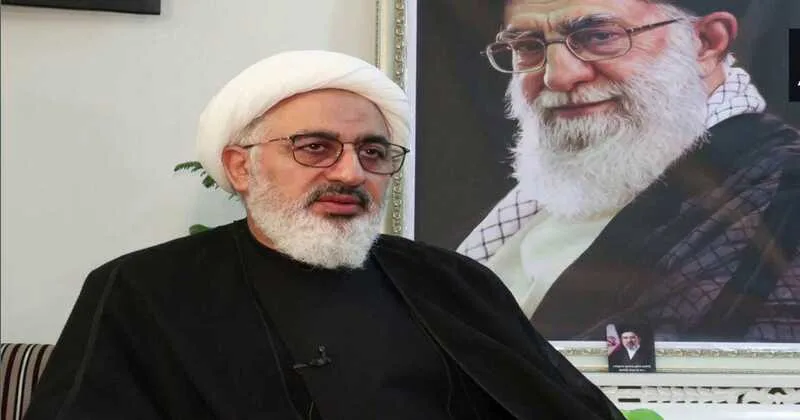
Patna: Iran has firmly rejected claims that Pakistan is mediating in the ongoing war in West Asia, calling such reports baseless and part of a larger strategy to manipulate global oil prices. Abdul Majid Hakim Elahi, the representative of Iran’s Supreme Leader in India, dismissed the reports while speaking in Patna, where he had travelled to attend a condolence ceremony.
Elahi categorically stated that Pakistan has no role in facilitating talks between Iran and the United States. He asserted that there were no meaningful negotiations taking place through Islamabad and accused certain actors of creating a false narrative to influence global markets. According to him, claims of mediation were deliberately exaggerated to project diplomatic engagement and stabilise oil prices without any genuine commitment to dialogue.
Iran rejects mediation narrative
Elahi alleged that Pakistan lacked seriousness in pursuing diplomatic efforts and was merely being used as a symbolic intermediary. He said the narrative of negotiations was constructed to give the impression of progress while, in reality, no substantial agreements or discussions were underway. He further maintained that announcements suggesting readiness for talks were misleading and not backed by concrete action.
He also pointed to the origins of the current conflict, stating that tensions escalated following a joint military attack by the United States and Israel on February 28. According to Elahi, Iran had no intention of entering into a war but was compelled to respond. He urged the international community to intervene and prevent further escalation, especially attacks targeting civilian infrastructure such as hospitals, schools and residential areas.
Elahi emphasised that the conflict could end if those responsible for initiating the attacks ceased their actions. He expressed hope that countries across the world, including India, could play a constructive role in restoring peace and stability in the region. He also called on global leaders to come together and take decisive steps to end the war.
Impact on global energy and stability
The situation has had significant repercussions on international energy markets and global economic stability. Following the reported assassination of Iran’s Supreme Leader Ali Khamenei during the February attack, Iran’s retaliatory measures have intensified the crisis. The developments have disrupted global fuel supplies and triggered volatility in oil prices.
Iran has tightened its control over the Strait of Hormuz, one of the world’s most critical maritime routes for energy transportation. This has raised concerns among global stakeholders, as any disruption in the strait directly affects the flow of oil and liquefied petroleum gas (LPG) to international markets.
Despite the heightened tensions, Iran has indicated that it would allow vessels from non-hostile countries to pass through the strait, provided they coordinate with Iranian authorities. This assurance was reportedly communicated earlier to the International Maritime Organisation.
Indian ships continue transit through Hormuz
Amid the ongoing conflict and naval blockade concerns, Indian-flagged vessels have continued to navigate the Strait of Hormuz with relative frequency. An LPG tanker named Green Asha recently crossed the strait safely, becoming the ninth Indian vessel to do so since the conflict began.
Maritime data suggests that nearly 60 per cent of cargo ships using the route are either originating from or heading towards Iran. Despite the risks, Indian shipping activity in the region remains significant.
Before the passage of Green Asha, eight other Indian vessels had successfully transited the strait. These include LPG carriers such as BW Tyre and BW LM, which transported approximately 94,000 tonnes of cargo through the conflict zone. Additionally, Indian-flagged tankers Pine Gas and Jag Vasant delivered a combined 92,612 tonnes of LPG between March 26 and 28.
Earlier shipments included MT Shivajik and MT Nanda Devi, which delivered around 92,712 tonnes of LPG to Mundra and Kandla ports in Gujarat on March 16 and 17. Another tanker, Jag Ladki, transported 80,886 tonnes of crude oil from the UAE to Mundra on March 18, while Jag Prakash safely passed through the strait carrying petrol from Oman to Africa.
The vessel Green Sanvi also completed its transit recently, carrying approximately 46,650 metric tonnes of LPG. Indian Navy ships have been escorting these vessels to ensure their safety amid the ongoing tensions.
India is currently engaged in discussions with Iranian authorities to secure the safe passage of its ships through the strategic waterway, even as the broader geopolitical situation in West Asia remains volatile.