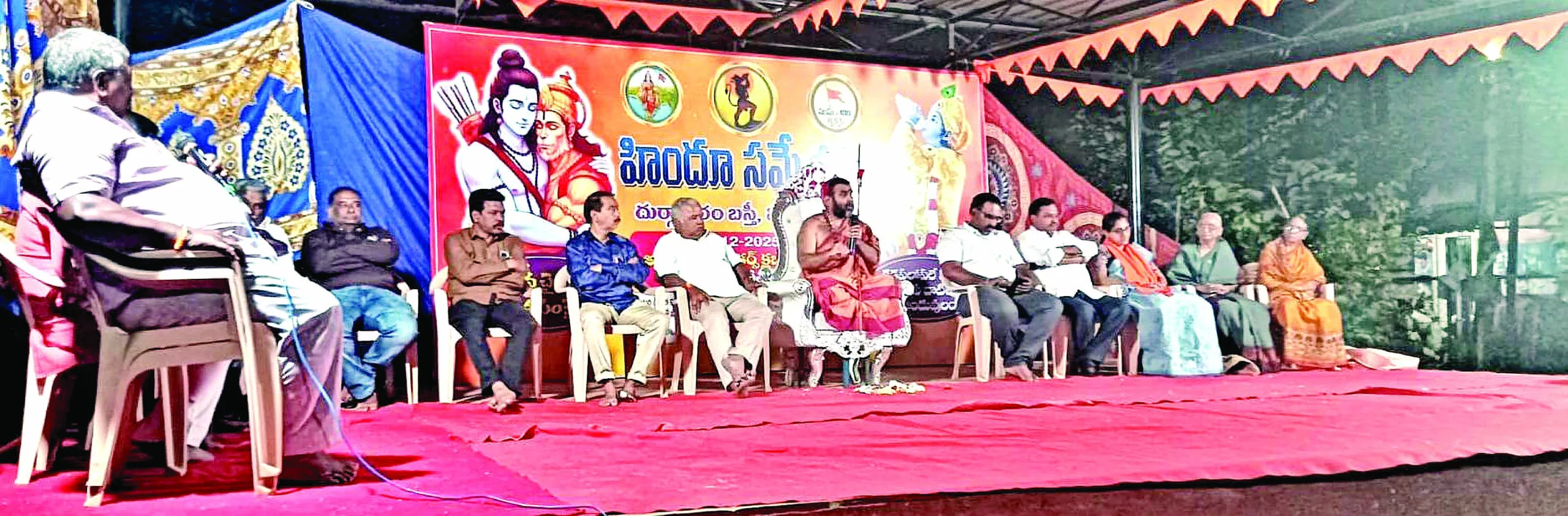
Hindu Sammelans are being organised across several states of Southern Bharat as part of a large-scale grassroots outreach effort, with programmes held at basti, village and upamandal levels. The gatherings aim to strengthen social cohesion, encourage community participation and address local issues through collective discussion and cultural engagement.
Telangana
Hindu Sammelans are set to be organised across Telangana at the upamandal and basti levels as part of a large-scale social outreach initiative, with programmes planned in around 3,500 units. The upamandal units will cover clusters of three to four villages, while basti units will largely be in urban areas, each with an average population of about 10,000 people. The Sammelans are scheduled to be held between March 15 and April 30.
The gatherings are expected to bring together participants from diverse sections of society, including temple dharmakartas, local youth, caste leaders, village elders, women and professionals. The meetings will focus on identifying local issues, mapping workable action areas, and initiating community-level activities through coordinated participation.
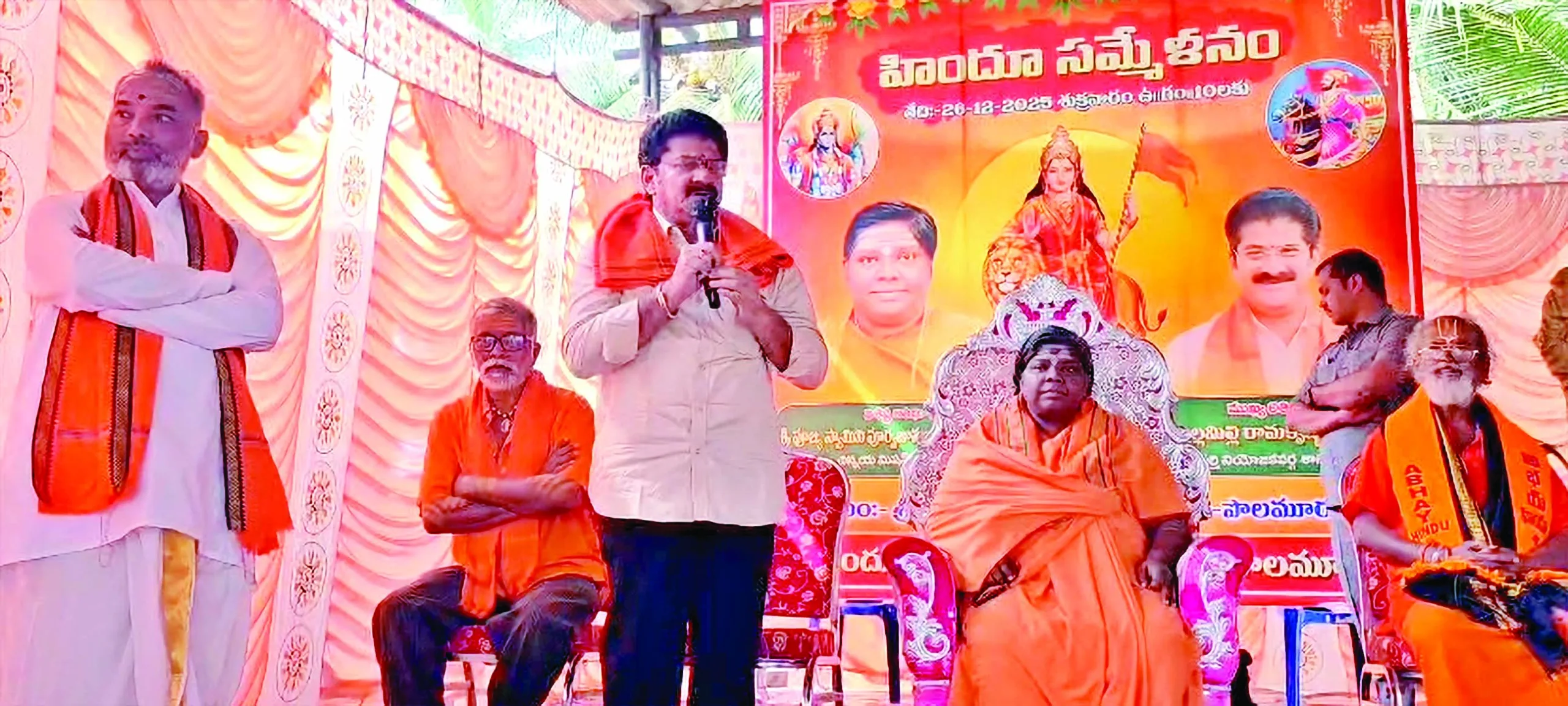
Part of the Sammelans’ theme will be the promotion of Panch Parivartan, a five-point social transformation agenda. The framework focuses on social harmony (Samajik Samarasata), family awareness and values (Kutumb Prabodhan), environmental protection, swadeshi and self-reliant conduct, and civic responsibility.
Discussions during the Sammelans will also address challenges faced by Hindu society at the grassroots level and explore locally workable solutions through collective planning and social participation.
Tamil Nadu
It was a gala get-together of families in Tamil Nadu that saw thousands of Hindu families with their children and relatives take part in the Hindu Sammelans.
During the assembly, members of all castes, age groups, and genders come together to spend the day. The day was spent by joining talent and skill-related events, entertainment events and, of course, boudhiks. Culture, ethos, traditional family values, moral values, and divine and spiritually oriented discourses were held. At the end of the day, everyone went home with divine and patriotic emotions.
The Hindu Sammelans are ongoing in Uttar and Dakshin Tamil Nadu having started from January 15, and they are on-going at the mandal and basti level, reaching every corner of Hindu society.
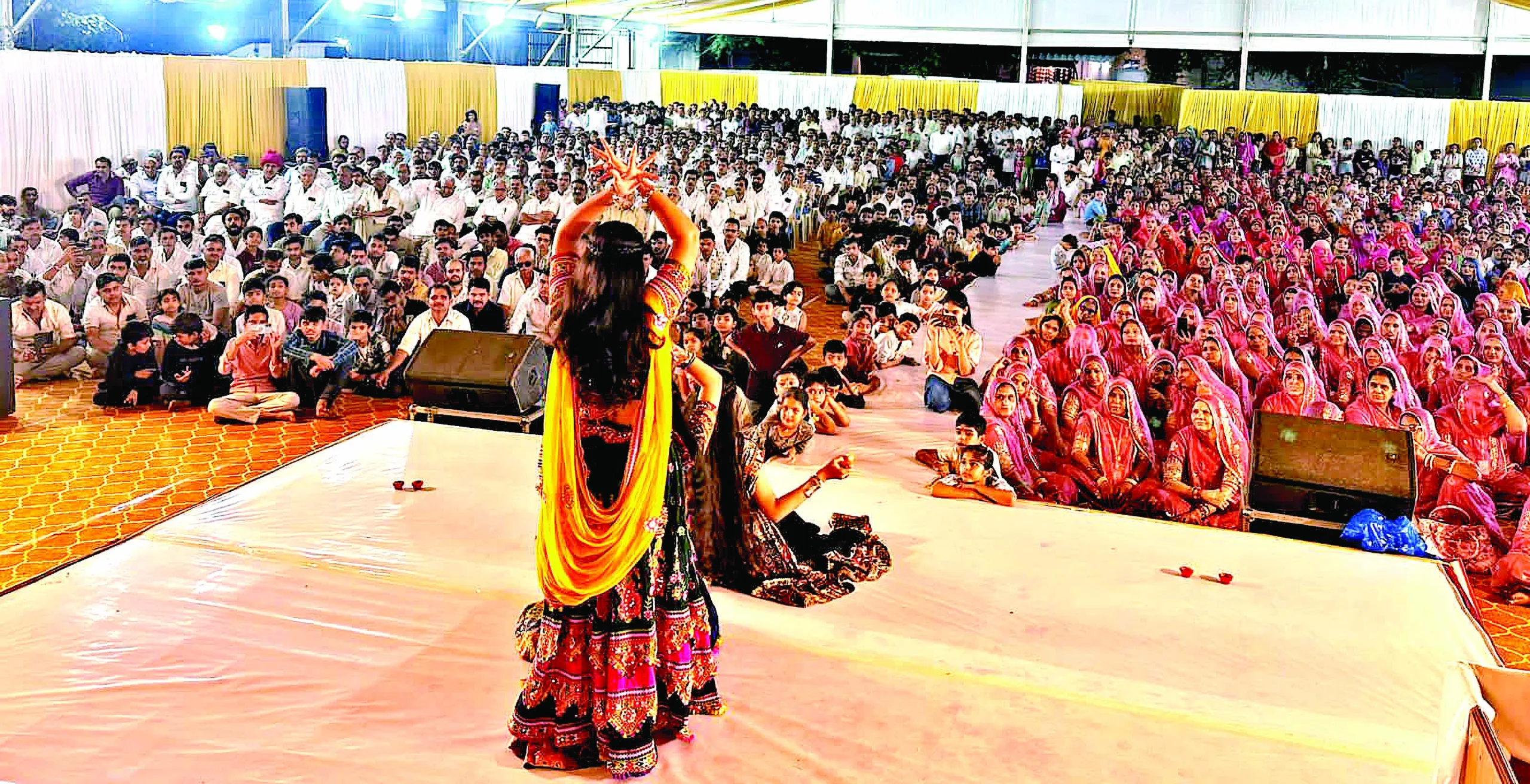
On January 15, at Chennai Kolathur Nagar Sivasakthi basti, Pongal and a Hindu family sangamam were held. It started with Uriyadi, a Kolam contest and a sports event. Pasuthai Ganesan delivered a special lecture and gave away the prizes to the contestants. The sangamam witnessed the participation of 94 enthusiasts inculding 28 women, 32 males, and 34 children.
In Mettupalayam, a Hindu family sangamam was held in which spiritual discourse and a Valli Kummi event took place. The event’s motive is to carry on the age-old traditions, culture, and lifestyle to the next generations, which have been under threat during the Dravidian and alien invaders’ rule. The event was held at Banglamedu Maha Sakthi Mariamman temple premises. There were special poojas for Vel (spear), Hayagriva pooja, talks on Hindu Dharma, and Raja Maha Sakthi troupe’s Valli Kummi programme. A large number of women took part. At the end, annadaan was done.
In Thekkampatti, children took part in a cultural event. Ravindra Kalidoss spoke on the significance of the Hindu religion, while Agasthiyar Gnanapeetam head Sarojini Madhavi gave divine wishes.
In PV Nagar Ganeshpuram basti, a Hindu family sangamam was held on January 16. Nearly 60 people took part. In Purasawalkam, a Hindu Sangamam Karyakram was held on February 1 at Agarwal Vidyalaya where 381 attended. Similar events were held at Mutiyar Nagar and in Sowcarpet. In the Hindu Ektha Sammelan at Sowcarpet Kanniga and Kothawal basti, over 2,145 people participated.
In Perambur Hindu Sangamam event, 257 members, including children, attended. In Sholavaram Nagar Attangal basti, a Hindu family sangamam was held at Solaiamman temple which saw over 230 participants. In Prakashnagar basti, the event was held on January 24, in which over 300 people attended.
In Lakshmipuram area, a Hindu family sangamam and Thai Poosa festivals were celebrated on January 25 at S Balakrishna Nadar Mandapam. Nearly 250 people took part. So far, thousands of people have taken part in the Hindu Sammelan events held in Mettupalayam, Kanyakumari, Coimbatore, Mettupalayam, Perambur and other places. As per reports, the events in Dakshin Tamil Nadu are ongoing at various locations at mandal and basti levels to reach every corner of society.
Kerala
Kerala is set to witness thousands of Hindu Sammelans throughout the length and breadth of the state. The idea is to create a Hindu awakening where the pseudo secularists including Congress-led United Democratic Front (UDF) and CM-led Left Democratic Front (LDF) rule the roost and religious terrorism enjoy pleasant patronage.
As part of preparations, Hindus are forming organising committees at the gram panchayat level with representation from all villages and communities, ensuring meaningful participation of youth and women. Former Hindu organisation workers, sanyasins, spiritual leaders, and representatives of social and spiritual bodies are to be included.
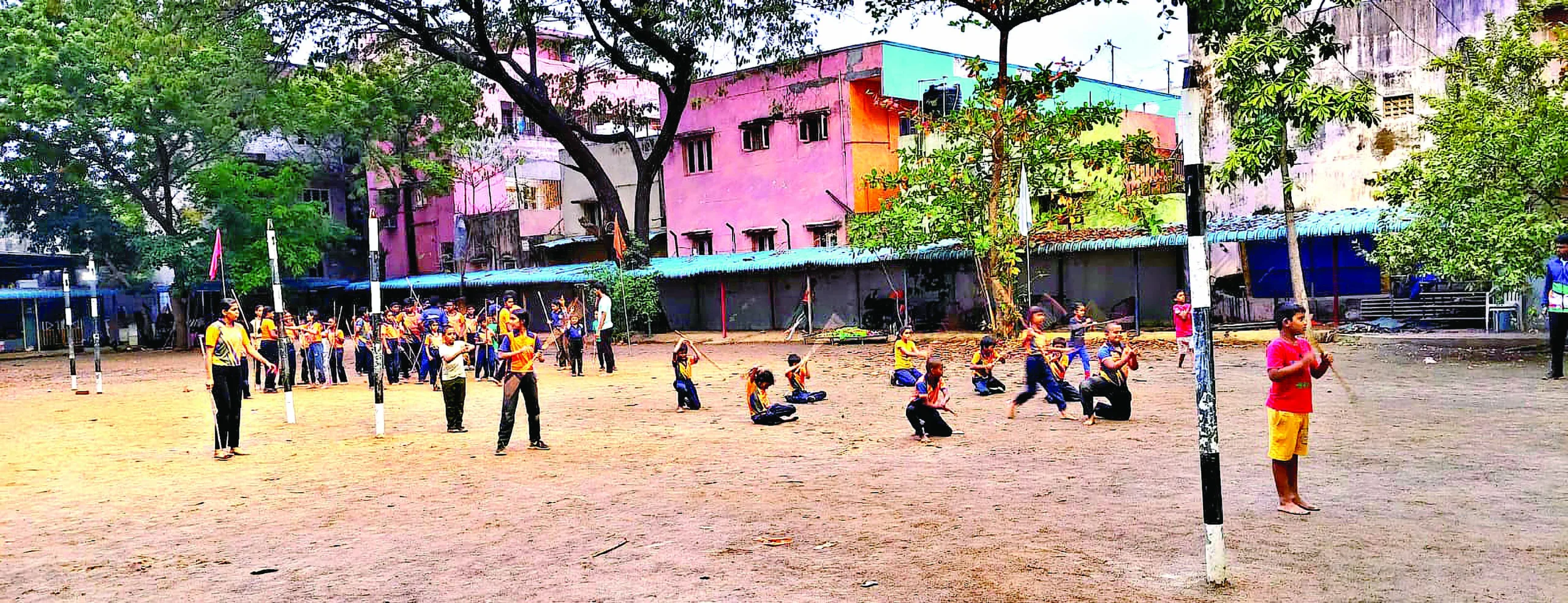
The Sammelan is expected to serve as an exposition of the organised strength of the Hindu samaj, reflecting unity, participation, and collective resolve at the community level. It is also intended to create awareness and awakening among Hindus regarding the issues they face, with focus areas including Panch Parivartan, major agitations connected to Hindu pride and awakening, and matters of local significance.
Andhra Pradesh
Hindu Sammelans have been conducted across Andhra Pradesh at basti, village and upamandal levels as part of a statewide outreach initiative associated with Rashtriya Swayamsevak Sangh (RSS) centenary-year activities and allied social organisations. According to organisers, programmes were held at around 2,600 locations, ranging from street-corner sammelans and temple-based meetings to large public gatherings, with participation from children, youth, women and senior citizens drawn from different sections of society. As per available information, the sammelans were organised in districts including West Godavari, East Godavari, Dr BR Ambedkar Konaseema, Guntur, Nandyal, Anakapalli, Anantapur and Krishna, among others.
Reported venues included Tadepalligudem, Narsayya Agraharam, Bhimavaram region, Amalapuram, Seethanagaram, Somalingapalem, Vijayawada (including several bastis), Polamuru, Munagalavaripalli and multiple localities in Nandyal town. Meetings were typically conducted in temple premises, ashram halls, community mandapams and open grounds, besides basti-level street gatherings.
Participation levels varied by location and format. Basti sammelans generally recorded attendance from about 200 to 500 people, while upamandal and town-level sammelans drew gatherings in the thousands. Organisers cited several large turnouts, including about 7,500 participants at Nutakki, around 8,000 at Gollala Mamidala, and nearly 5,000 at Lotus Kalwa basti in Vijayawada. In Nandyal town, sammelans were reported across 20 bastis as part of a phased contact programme. One local report listed attendance figures of 51 children, 250 youth and 136 women, totalling 437 participants at a single venue. Cumulative participation across the reported events runs into several tens of thousands statewide, based on organiser estimates.
Programmes generally followed a structured format familiar, including deepa prajwalan (lamp lighting), Bharat Mata vandana in some venues, geet or bhajan presentations, bauddhik-style addresses (thought sessions), and community interaction. Cultural segments such as Kuchipudi dance, devotional singing, kolatam and children’s performances were also organised.
Several spiritual leaders addressed different sammelans. Among those reported were Sridhara Swamiji, Prajnananda Saraswati, Bhakti Sundara Mangala Maharaj Swami of Mangalagiri Math, Adityananda Bharati Swamiji of Nuzvid Sri Lalita Peetham, Poorvajananda Saraswati, Shiva Yogananda Saraswati Swami, Shravana Chaitanyananda Chinna Swamiji and Bhavyananda Mataji of Sri Kailasanatha Ashram. Their addresses focused on dharma acharana (practice of dharma), social harmony, family values and cultural continuity.
Speakers associated with RSS and its inspired organisations and public life also participated. Among them were Union Minister Bhupathiraju Srinivasa Varma, Bhagayya ji, RSS Akhil Bharatiya Karyakarini sadasya, Vibhag Pracharak Naveen, RSS functionaries Voleti Ravikumar, and various district and samiti presidents. Local organisers, karyakartas and volunteers coordinated arrangements at each venue.
During these events, speakers emphasised Hindu sangathan (organisation and unity), samajik samarasata (social harmony), vyakti nirman (character and personality development) and kutumba prabodhan (family awareness). Messages called for unity beyond caste divisions, greater participation in community service, and value-based upbringing of children. Several speakers stressed that dharma is preserved through daily conduct and social responsibility, and that society-wide participation is necessary for long-term cultural stability.
Some addresses highlighted environmental responsibility, seva (service) activities and voluntary civic discipline as key themes. Cultural artistes, bhajan mandali members and traditional instructors were honoured at select venues for their contribution to preserving local traditions. Processions (shobha yatras) were organised in a few towns ahead of the sammelans, particularly in village clusters, with devotional music and cultural displays. Organising committees reported participation from teachers, small traders, professionals, farmers, women’s groups and student volunteers, indicating cross-sectional involvement.
As per reports, Hindu Sammelans are also underway across Dakshin Tamil Nadu at mandal and basti levels during February, aimed at reaching every section of society. Similar Hindu Sammelan programmes are being conducted across Uttara and Dakshina Karnataka as part of the wider outreach effort.