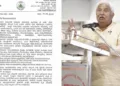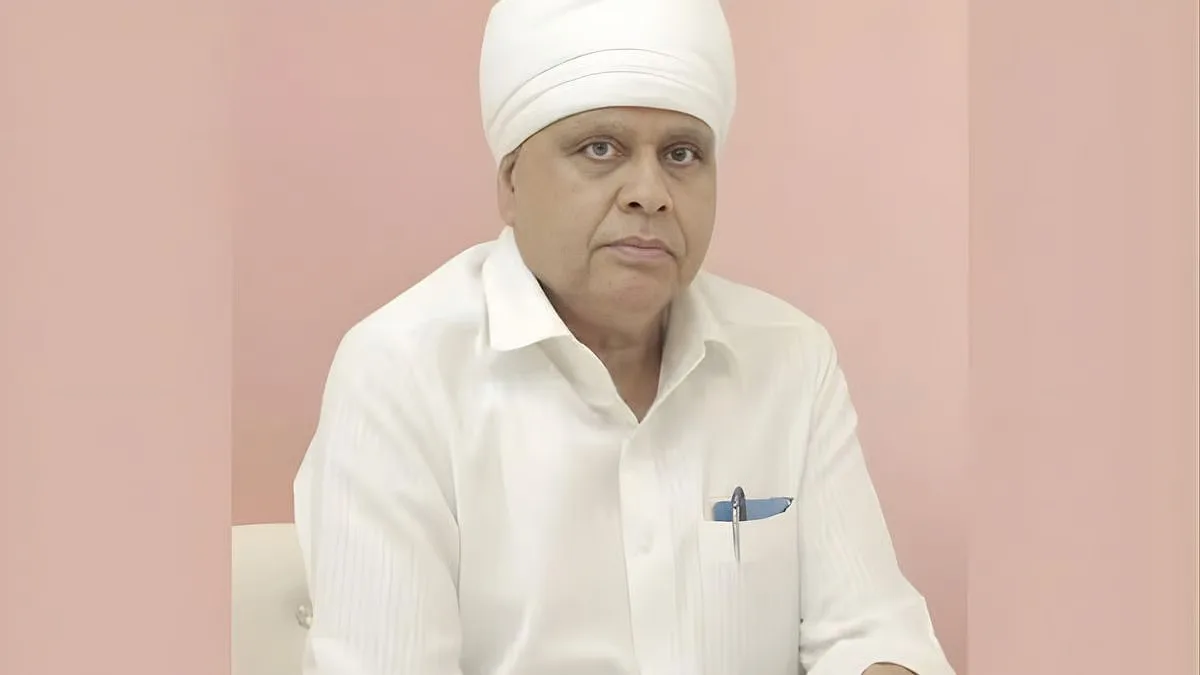
A major political storm erupted in Madhya Pradesh on Friday after Congress MLA Phool Singh Baraiya from Bhander made deeply controversial remarks on rape, women’s appearance, caste, and religious beliefs. His comments, described by critics as bizarre, misogynistic and offensive, sparked widespread outrage across political lines, prompting the Congress to disown his statements while the BJP accused the party of patronising such views.
The controversy began after Baraiya claimed that most rape cases in India involve women from Scheduled Castes (SC), Scheduled Tribes (ST) and Other Backward Classes (OBC). While making this assertion, the MLA went on to present what he termed a “theory of rape”, linking sexual violence to a man’s distraction upon seeing an “extremely beautiful woman”.
According to Baraiya, a man’s mind can become disturbed merely by seeing a beautiful woman while walking or travelling, which, he suggested, could lead to rape. His remarks, however, took a more disturbing turn when he went on to comment about women from backward communities.
Referring specifically to SC, ST and OBC women, the Congress legislator said that women belonging to backward sections of society are “not even beautiful”, yet still become victims of rape. He controversially claimed that such crimes occur because of what he described as a “distorted belief system” written in ancient or religious texts associated with these communities.
Baraiya further alleged that perpetrators believe committing sexual violence against women of certain castes would earn them spiritual merit, equating it to a pilgrimage. He also made sweeping claims that rape is often committed by groups rather than individuals and shockingly referred to cases involving infants, asserting that such crimes stem from a mindset influenced by beliefs written in religious texts of Dalits.
“Who are the victims of rape in India? Mostly women belonging to the Scheduled Castes, the Scheduled Tribes, and the OBCs. The theory of rape is that if a man, regardless of his mental state, is walking down the road and sees a beautiful girl, he can get distracted and rape a woman,” Baraiya was quoted as saying.
His remarks quickly drew sharp condemnation from across the political spectrum, with activists and leaders accusing him of trivialising sexual violence, blaming victims, and reinforcing regressive stereotypes about women and marginalised communities.
Facing mounting criticism, the Congress leadership in Madhya Pradesh moved swiftly to distance itself from Baraiya’s statements. State Congress president Jitu Patwari categorically rejected the MLA’s remarks, stating that rape cannot be justified or rationalised under any circumstances.
“No rape can be justified in any way. Anyone who commits rape is a criminal. It cannot be linked to caste or religion,” Patwari said, underlining that sexual violence is a grave crime and any attempt to explain or defend it through social or religious lenses is completely unacceptable.
The Bharatiya Janata Party (BJP) seized on the controversy to launch a blistering attack on the Congress. BJP leaders termed Baraiya’s remarks “shameful and shocking”, accusing the opposition party of harbouring and protecting leaders with anti-women and anti-Dalit mindsets.
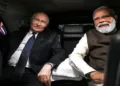
BJP spokesperson Shehzad Poonawalla took to X (formerly Twitter), sharing photographs of Baraiya with Congress leader Rahul Gandhi. In a strongly worded post, he alleged that the MLA’s comments reflected the Congress party’s broader ideological stance and claimed that such remarks were being “patronised from the top”.
Madhya Pradesh BJP media in-charge Ashish Agarwal said the remarks were not a slip of the tongue but a serious exposure of ideology. “Weighing women on the scale of ‘beauty’ and describing heinous crimes against Dalit and tribal women as a so-called sacred act is misogyny, anti-Dalit thinking and a direct assault on humanity,” Agarwal said.
As the row intensified, Baraiya’s comments continued to draw condemnation on social media, with many demanding strict action against the MLA for allegedly normalising sexual violence and insulting women from marginalised communities. The episode has once again brought political discourse on women’s safety, caste, and accountability of public representatives under sharp focus.