Veteran BBC journalist Rehan Fazal has claimed that BBC India blocked, delayed, or rejected several stories related to the Rashtriya Swayamsevak Sangh (RSS), alleging editorial decisions that prevented the publication of certain reports.
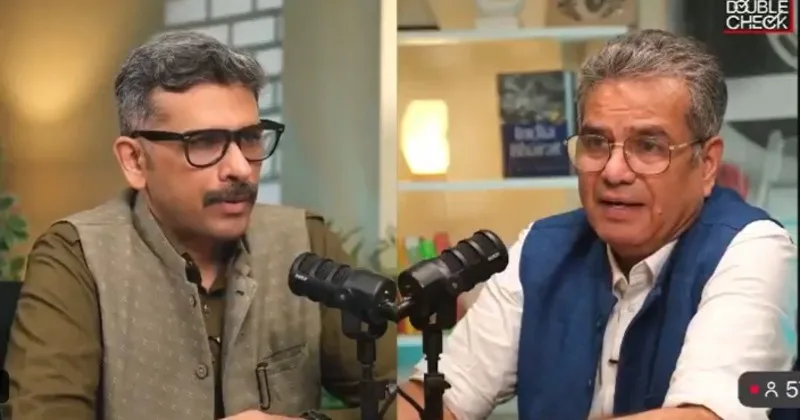
Speaking on the podcast Double Check with Sanket Upadhyay, Fazal recalled multiple instances where stories concerning the RSS did not receive editorial clearance despite being prepared for publication.
Among the examples cited by Fazal was a documentary on MS Golwalkar (2nd Sarsanghchalak of RSS, Guruji Golwalkar), which he said was delayed despite receiving prior approval.
According to Fazal, these editorial decisions reflected a pattern in the handling of content related to the organisation. He suggested that the decisions were not limited to isolated cases but involved repeated instances where proposed stories did not move forward.
The claims have renewed discussion over BBC India’s editorial approach to reporting on the RSS. Fazal’s remarks have drawn attention because they come from a veteran journalist who spent years within the organisation and spoke about his own experience of the editorial process.
These allegations add to long-standing criticism that editorial decisions on certain subjects were influenced by ideological considerations rather than journalistic judgment. Fazal’s statements have also revived debate over the BBC’s coverage of India and its editorial priorities.
The allegations have reignited debate over editorial neutrality at BBC India. Fazal’s claims have also drawn attention to broader questions surrounding media bias, editorial independence, and past government decisions concerning restrictions and scrutiny involving the RSS and sections of the media.