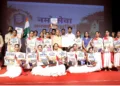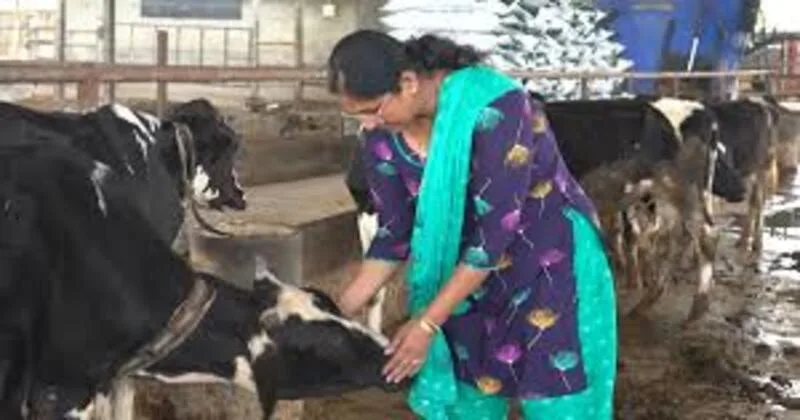
LUCKNOW: Uttar Pradesh is witnessing a remarkable transformation in rural livelihoods, where women are not just contributors but leaders of economic change. By strengthening the milk value chain, the state government has enabled over 45,600 rural women to achieve the milestone of becoming ‘Lakhpati Didis’, earning more than one lakh rupees annually through organised dairy activities. This achievement demonstrates the success of the Uttar Pradesh State Rural Livelihoods Mission (UPSRLM), implemented under the Rural Development Department, in empowering rural women to become entrepreneurs through sustainable, structured efforts.
From Dairy Work to Entrepreneurship
The initiative is part of the Deendayal Antyodaya Yojana, National Rural Livelihoods Mission (DAY-NRLM), which focuses on mobilising rural women into Self-Help Groups (SHGs) and linking them to diverse livelihood opportunities. Traditionally, dairy farming in rural areas was viewed merely as a supplementary source of income for families. However, through organised intervention and training, it has now evolved into a profitable enterprise that empowers women to take charge of production, management, and marketing.
The concept of “Lakhpati Didi” goes beyond income. It signifies self-reliance, dignity, and leadership. Women who once contributed silently to household activities are now recognised as key economic drivers within their communities. They are managing milk collection centres, overseeing financial transactions, and ensuring transparency in cooperative systems, roles that were once dominated by men.
Uttar Pradesh is witnessing real grassroots empowerment.
By strengthening the milk value chain, @UPGovt has enabled over 45,600 rural women to become Lakhpati Didi, turning dairy livelihoods into sustainable women-led entrepreneurship. pic.twitter.com/rHzfX8fwHv— Awanish K Awasthi (@AwasthiAwanishK) January 6, 2026
The Uttar Pradesh State Rural Livelihoods Mission has been instrumental in building a robust institutional framework to economically empower women. It works through SHGs and federations, ensuring that rural women gain access to credit, capacity-building programs, and market linkages. Under this mission, women are encouraged to diversify their income through agriculture and non-agricultural activities, including dairy, handicrafts, and small-scale processing units. However, the dairy value chain has emerged as one of the most successful models due to its scalability, inclusiveness, and consistent demand.
By connecting SHGs to organised Milk Producer Companies (MPCs), the government has created a transparent and efficient ecosystem. These MPCs ensure fair pricing, quality assurance, and prompt payments. This also eliminates dependence on intermediaries and empowers women with financial autonomy.
The introduction of Milk Producer Companies has been a game-changer for the rural economy. These companies are owned and managed by local producers and provide a structured channel for milk procurement, processing, and marketing. They also facilitate access to veterinary services, cattle feed, training, and quality control.
Women members of SHGs are linked with nearby milk collection centres, where they sell milk at standardised rates. The payments are directly credited to their bank accounts, ensuring transparency and trust. The use of digital payment systems and real-time monitoring tools has strengthened accountability while reducing exploitation. These companies have also introduced training modules on hygienic milk handling, animal health management, and financial literacy. As a result, rural women not only earn higher incomes but also gain confidence, communication skills, and exposure to modern business practices.
Moreover, the impact of the milk value chain initiative is evident across districts in Uttar Pradesh. The average income of participating women has increased substantially, and many have become role models in their villages. Through improved milk production and collective marketing, these women have achieved financial stability and social recognition.
Sustainability remains a key pillar of the program. The focus is not just on income generation but on creating a long-term ecosystem where women-led enterprises can thrive. The mission emphasises eco-friendly dairy practices, including the use of organic feed, proper waste management, and efficient water utilisation.
The rise of Lakhpati Didis also symbolises a broader shift in mindset from dependency to enterprise. With increased awareness and financial literacy, rural women are now saving, investing, and planning for the future. They are emerging as catalysts of change within their families and communities.