Spirit of the Mountains: From Kailash to the Nilgiris
August 25, 2026
  • Read Ecopy
  • Circulation
  • Advertise
  • Careers
  • About Us
  • Contact Us
Android AppiPhone AppArattai
Organiser
  • ‌
  • Bharat
    • Assam
    • Bihar
    • Chhattisgarh
    • Jharkhand
    • Maharashtra
    • View All States
  • World
    • Asia
    • Europe
    • North America
    • South America
    • Africa
    • Australia
  • Editorial
  • International
  • Opinion
  • RSS @ 100
  • More
    • Op Sindoor
    • Analysis
    • Sports
    • Defence
    • Politics
    • Business
    • Economy
    • Culture
    • Special Report
    • Sci & Tech
    • Entertainment
    • G20
    • Azadi Ka Amrit Mahotsav
    • Vocal4Local
    • Web Stories
    • Education
    • Employment
    • Books
    • Interviews
    • Travel
    • Law
    • Health
    • Obituary
  • Subscribe
    • Subscribe Print Edition
    • Subscribe Ecopy
    • Read Ecopy
  • ‌
  • Bharat
    • Assam
    • Bihar
    • Chhattisgarh
    • Jharkhand
    • Maharashtra
    • View All States
  • World
    • Asia
    • Europe
    • North America
    • South America
    • Africa
    • Australia
  • Editorial
  • International
  • Opinion
  • RSS @ 100
  • More
    • Op Sindoor
    • Analysis
    • Sports
    • Defence
    • Politics
    • Business
    • Economy
    • Culture
    • Special Report
    • Sci & Tech
    • Entertainment
    • G20
    • Azadi Ka Amrit Mahotsav
    • Vocal4Local
    • Web Stories
    • Education
    • Employment
    • Books
    • Interviews
    • Travel
    • Law
    • Health
    • Obituary
  • Subscribe
    • Subscribe Print Edition
    • Subscribe Ecopy
    • Read Ecopy
Organiser
  • Home
  • Bharat
  • World
  • Operation Sindoor
  • Editorial
  • Analysis
  • Opinion
  • Culture
  • Defence
  • International Edition
  • RSS @ 100
  • Magazine
  • Read Ecopy
Home Bharat

From Kailash to the Nilgiris: Preserving the spirit of the mountains in India

India's mountains are sacred, life-giving ecosystems deeply rooted in culture and spirituality. Preserving them is essential for sustaining both nature and our collective heritage

Dr Manmohan PrakashDr Manmohan Prakash
Sep 21, 2025, 06:40 pm IST
inBharat, Opinion
Follow on Google News
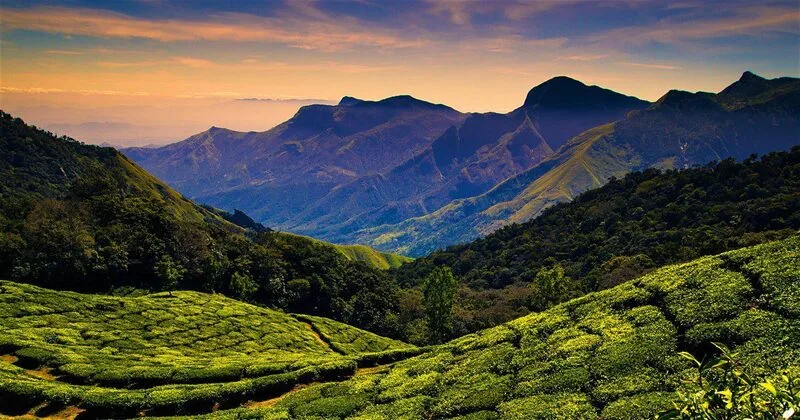
Representative image

Representative image

Facebook
Twitter
WhatsAppTelegramEmail

India’s mountains are not just landscapes of stone and snow; they are living symbols of culture, spirituality, and survival. From the mighty Himalayas to the Nilgiris in the south, these ranges hold within them forests, rivers, and biodiversity that sustain millions of lives. Yet, unchecked urbanisation, tourism, and construction are threatening their very existence.

In Indian tradition, mountains were never regarded as mere geographical features. The Rigveda describes them as life-giving sources alongside seas and rivers “Girayah samudrah sindhavo nadinam”. The Mahabharata calls the Himalayas the abode of gods, while the Ramcharitmanas reveres Mount Kailash as the dwelling place of Bhagwan Shiva. The Bhagavata Purana extols Govardhan as the protector of life. Kalidasa in Kumarasambhava calls the Himalaya “the soul of the gods,” while Kabir’s couplets make the mountain a metaphor for patience and steadfastness. From Tukaram and Narayana Guru in the south to Mahadevi Verma in modern Hindi poetry, our literature and saints have regarded mountains as symbols of endurance, sanctity, and meditation.

This reverence is reflected in countless shrines nestled in the mountains. Vaishno Devi on Trikuta, Amarnath in the Himalayas, Badrinath on Nar-Narayan, Tungnath at the world’s highest Shiva mandir, Yamunotri on Kalind, Gangotri in the Himalayas, Nanda Devi in Uttarakhand, Mansa and Chandi Devi in Haridwar, Jwalamukhi and Kangra Devi in Himachal, Triyuginarayan in the Garhwal region, Venkateswara in the Sheshachalam Hills of Andhra Pradesh, Palani Murugan temple in Tamil Nadu, and Sabarimala in Kerala’s Western Ghats. These sacred sites remind us that mountains are mandirs of nature themselves, meant not for exploitation but for reverence and preservation.

Also Read: Aranmula Uthrattathi: A sacred symphony of myth, mirror, and the pampa

Unfortunately, the modern drive for profit has turned many of these regions into commercial hubs. Slopes are cut for roads, hotels, and settlements, weakening natural stability. Scientists have long warned that such practices loosen the soil and rocks, making heavy rains, snowfall, or earthquakes trigger devastating landslides.

The disasters of recent years bear testimony. The Kedarnath tragedy of 2013 showed how reckless construction magnifies natural fury. In 2021, Chamoli’s glacier collapse led to massive destruction. In 2023, Himachal Pradesh saw hundreds die as rains brought down hotels and houses built on fragile slopes. The years 2024–25 repeated the same story with landslides and cloudbursts in Uttarakhand, Himachal, and Sikkim, and even on the Vaishno Devi pilgrimage route. Each incident warns us that without balance between development and ecology, devastation will only intensify.

Human interference damages more than stability i.e ecosystems. Springs dry up, rivers change course, rare wildlife lose habitats, and indiscriminate felling of trees leaves slopes vulnerable. Each tree cut and each slope blasted is a silent invitation to disaster.

The solution is clear and well known, i.e., strict regulation of construction in mountain zones, with permissions granted only after geological and environmental assessments. Local architectural styles, resilient against earthquakes and landslides, must be revived and promoted. Mountain forests must be preserved at all costs, for they hold the soil together. Tourism must shift towards green tourism that offers livelihoods while keeping harmony with nature.

Our mountains are not just piles of rock; they are cultural memories, spiritual symbols, and ecological lifelines. From Kailash in the north to the Nilgiris in the south, they embody India’s enduring spirit. To allow them to crumble under human greed is to strike at the roots of our own existence. The time has come to let mountains remain mountains-guardians of life, faith, and the future of generations yet to come.




Topics: Mountain ConservationHimalayassustainable developmentClimate actionEnvironmental ProtectionEco tourismIndian Mountains
Share
Tweet
SendShareSend
✮ Subscribe Organiser YouTube Channel. ✮
✮ Join Organiser's WhatsApp channel for Nationalist views beyond the news. ✮
Previous News

PM Modi: GST reforms boon to MSMEs, urges citizens to embrace ‘Swadeshi’ to realize the goal of Viksit Bharat

Next News

How Navratri celebration teaches us to be vigilant, courageous and with a victorious mindset

Related News

Representative Image

Indian Army pitches for 2,715 logistical drones: UAVs will power troops at high-altitude Himalayan battlefields

Tamil Nadu: Madras HC grants juristic personhood to Thamirabarani river as a deity, orders eco-friendly rituals

PM Modi recieves Seychelles ‘Guardian of the Blue Horizon’ title for environmental leadership & sustainable development

World Environment Day: A green future demands more than planting trees

Mountaineer Arun Kumar Tiwari’s tragic death on Everest; Family says he reunited with Bhagwan Shiva in Himalayas

India’s renewable energy revolution is transforming the nation into a global leader in sustainable development and clean energy innovation

India’s Renewable Energy Revolution: Leading the world towards a sustainable future

Load More

Latest News

Russian President Vladimir Putin and External Affairs Minister Dr. S. Jaishankar

EAM Jaishankar meets Russian President Putin & briefs bilateral developments; Extends PM Modi’s invite to BRICS Summit

Tamil Nadu Assembly

Tamil Nadu: TVK govt drops Parandur airport project, announces free bus travel and LPG cylinders

From students voice to political instrument?

PM addressing the Nation on the occasion of 80th Independence Day celebrations at Red Fort, in Delhi on August 15, 2026.

80th Independence Day Address of PM Modi: Walking the difficult path confidently

Representative Image

Beyond ‘Gen Z’: Why Bharat must reclaim its younger generation through ‘Samvad’ and ‘Kutumb Prabodhan’

JeM headquarters rebuilt in Bahawalpur, Pakistan

Pakistan: Destroyed in Operation Sindoor, JeM base rebuilt in 15 months; Exposes Islamabad’s eternal terror nexus

Dimagi Naxals: Decoding the cognitive virus

“A result of a gang war”: Former Envoy to Canada Sanjay Verma on Goldy Brar’s purported claim of hand in Nijjar killing

Tamil Nadu: Tirunelveli POCSO court awards death sentence to church pastor Abraham, for sexually assaulting minor girls

AI Generated Image

West Asia: 20,000+ Pakistanis deported; Gulf countries flag illegal entry, drug trafficking & national security threat

Load More
  • Privacy
  • Terms
  • Cookie Policy
  • Refund and Cancellation
  • Delivery and Shipping

© Bharat Prakashan (Delhi) Limited.
Tech-enabled by Ananthapuri Technologies

  • Home
  • Search Organiser
  • Bharat
    • Assam
    • Bihar
    • Chhattisgarh
    • Jharkhand
    • Maharashtra
    • View All States
  • World
    • Asia
    • Africa
    • North America
    • South America
    • Europe
    • Australia
  • Editorial
  • Operation Sindoor
  • Opinion
  • Analysis
  • Defence
  • Culture
  • Sports
  • Business
  • RSS @ 100
  • Entertainment
  • More ..
    • Sci & Tech
    • Vocal4Local
    • Special Report
    • Education
    • Employment
    • Books
    • Interviews
    • Travel
    • Health
    • Politics
    • Law
    • Economy
    • Obituary
  • Subscribe Magazine
  • Read Ecopy
  • Advertise
  • Circulation
  • Careers
  • About Us
  • Contact Us
  • Policies & Terms
    • Privacy Policy
    • Cookie Policy
    • Refund and Cancellation
    • Terms of Use

© Bharat Prakashan (Delhi) Limited.
Tech-enabled by Ananthapuri Technologies