
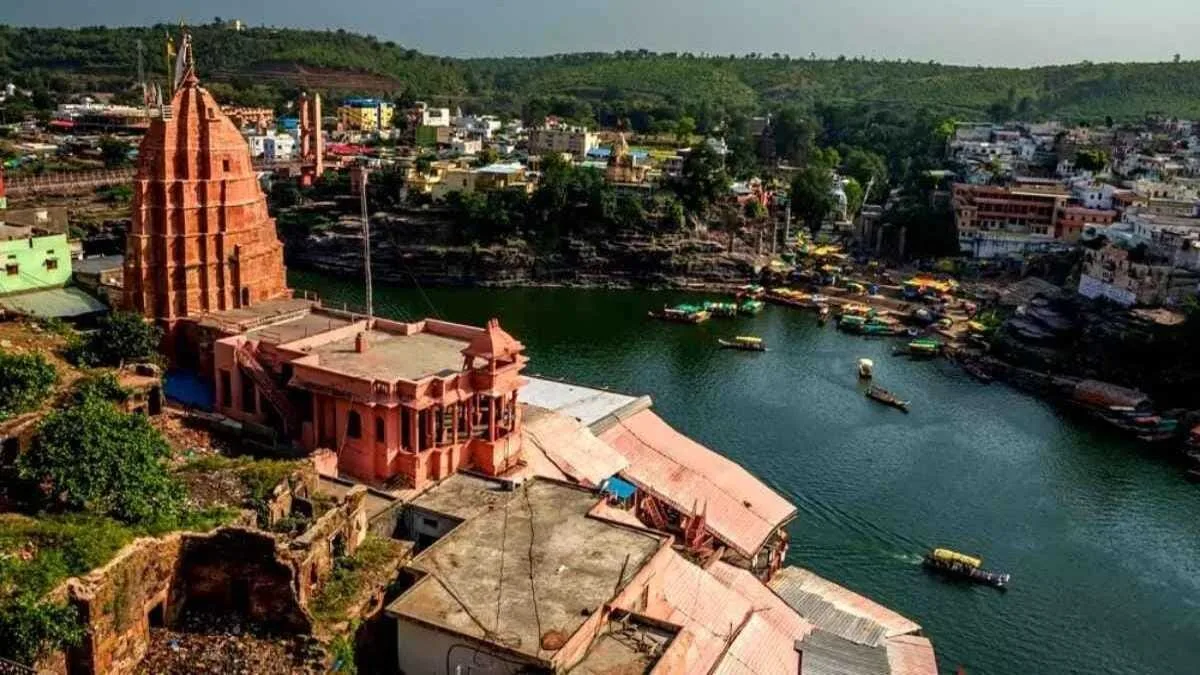
The twelve Jyotirlingas are among the most revered pilgrimage destinations for devotees of Bhagwan Shiva. Spread across different regions of Bharat, these ancient shrines hold immense spiritual significance and reflect the country’s rich heritage of devotion, temple architecture and sacred traditions.
What are Jyotirlingas?
The word Jyotirlinga is derived from two Sanskrit words: Jyoti, meaning light, and Linga, referring to the symbolic representation of Bhagwan Shiva. A Jyotirlinga is understood in Hindu tradition as a radiant manifestation of Shiva, symbolising his infinite and timeless nature.
According to Hindu scriptures, including the Shiva Purana, Bhagwan Shiva manifested as an endless pillar of divine light to demonstrate that his existence transcends all boundaries. The twelve Jyotirlingas are regarded as particularly sacred manifestations of this divine presence.
For devotees, visiting these shrines is an important spiritual journey, offering an opportunity to worship Bhagwan Shiva, participate in traditional rituals and experience the living continuity of Sanatan Dharma.
The 12 Jyotirlingas of Bharat and Their Significance
Somnath Jyotirlinga — Gujarat
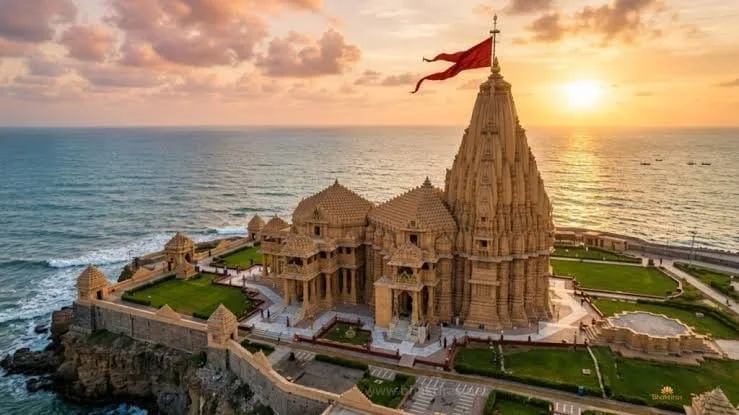
Located at Prabhas Patan near Veraval, Somnath is traditionally regarded as the first of the twelve Jyotirlingas. The mandir, overlooking the Arabian Sea, is renowned for its religious significance and history of destruction and reconstruction. It represents the enduring continuity of Hindu faith and mandir traditions.
Mallikarjuna Jyotirlinga — Andhra Pradesh
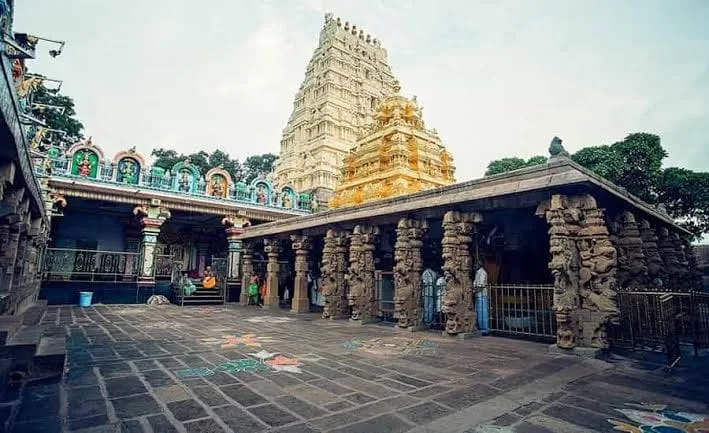
Situated in Srisailam amid the Nallamala Hills, Mallikarjuna is an important centre of Shiva worship. The shrine is also associated with Maa Bhramaramba, making the mandir complex significant to devotees of both Shiva and Shakti. Its setting amidst hills and forests adds to its spiritual appeal.
Mahakaleshwar Jyotirlinga — Madhya Pradesh
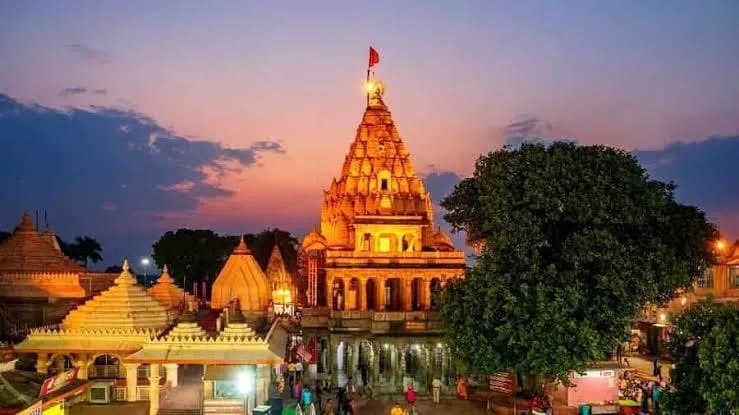
Located in Ujjain, Mahakaleshwar is associated with Bhagwan Shiva in his form as Mahakaal, the lord of time. The mandir is particularly famous for its Bhasma Aarti, an early-morning ritual that draws devotees from across Bharat. Ujjain’s longstanding association with religious learning and pilgrimage makes the shrine especially prominent.
Omkareshwar Jyotirlinga — Madhya Pradesh
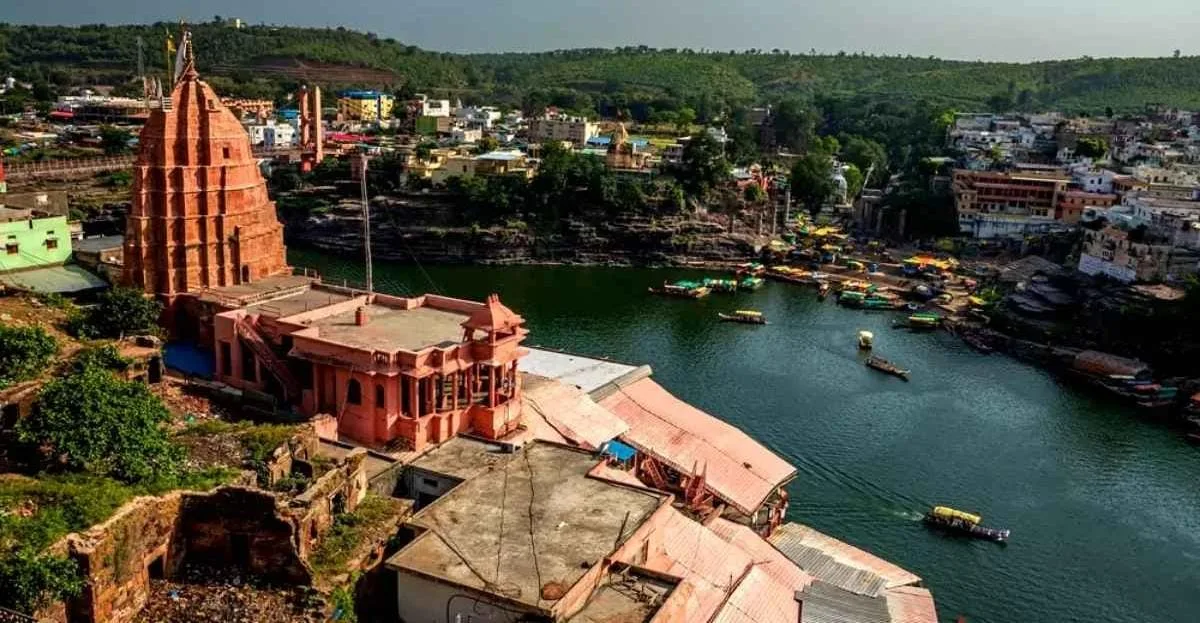
Omkareshwar stands on Mandhata Island in the Narmada River. The island is traditionally associated with the shape of the sacred syllable Om, giving the shrine a distinctive spiritual identity. The mandir is an important destination for pilgrims who combine Shiva worship with a visit to the banks of the Narmada.
Kedarnath Jyotirlinga — Uttarakhand
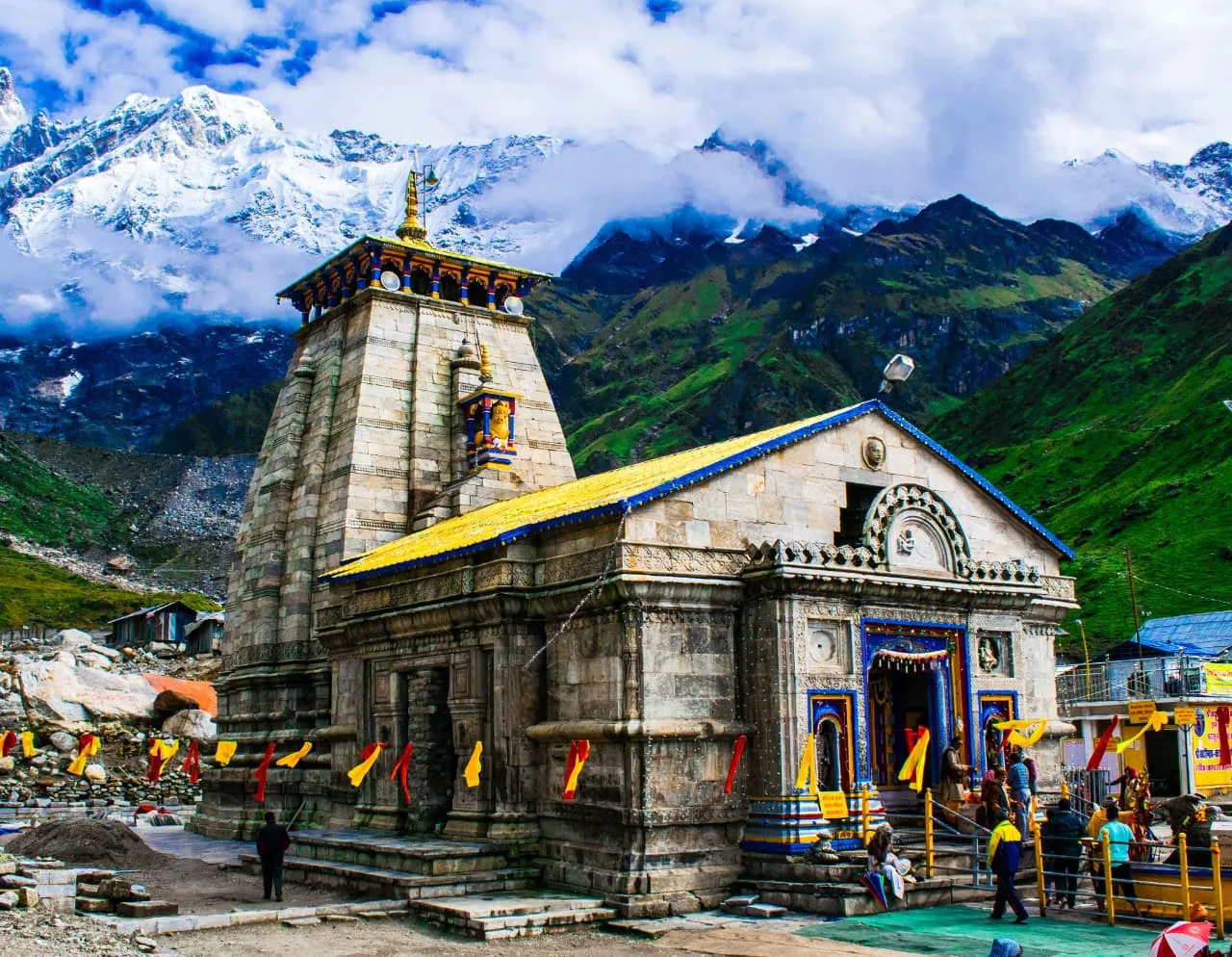
Set amid the Garhwal Himalayas, Kedarnath is one of the most revered Shiva shrines in Bharat. The mandir is also an important destination in the Char Dham pilgrimage circuit of Uttarakhand. Its high-altitude location, dramatic mountain landscape and demanding pilgrimage route make the journey particularly meaningful for devotees.
Bhimashankar Jyotirlinga — Maharashtra
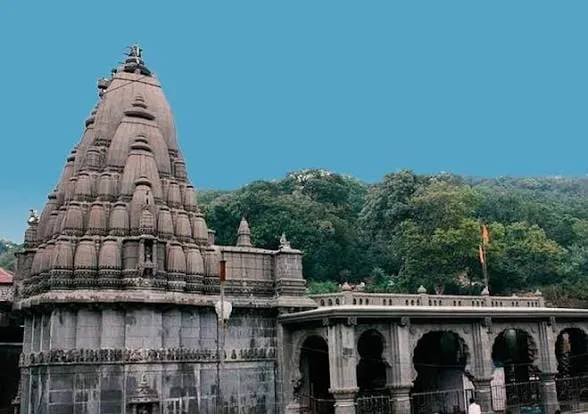
Located in the Sahyadri ranges, Bhimashankar is surrounded by forested hills and rich biodiversity. According to a popular tradition, Bhagwan Shiva manifested here to defeat the demon Bhima and protect his devotees. The shrine combines religious importance with the natural beauty of the Western Ghats.
Kashi Vishwanath Jyotirlinga — Uttar Pradesh
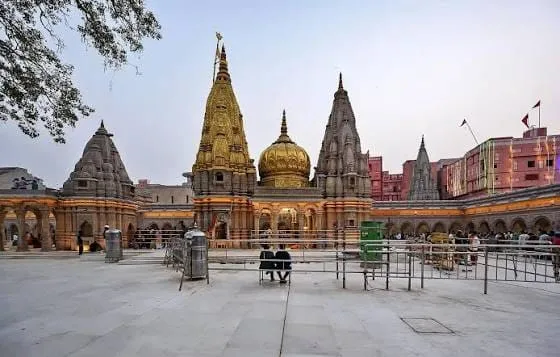
Situated in the ancient city of Kashi, now known as Varanasi, Kashi Vishwanath is among the most prominent Shiva shrines in Bharat. The city is deeply associated with Bhagwan Shiva, the Ganga and the Hindu understanding of moksha, or liberation. The mandir attracts pilgrims throughout the year, particularly during Maha Shivaratri and the holy month of Shravan.
Trimbakeshwar Jyotirlinga — Maharashtra
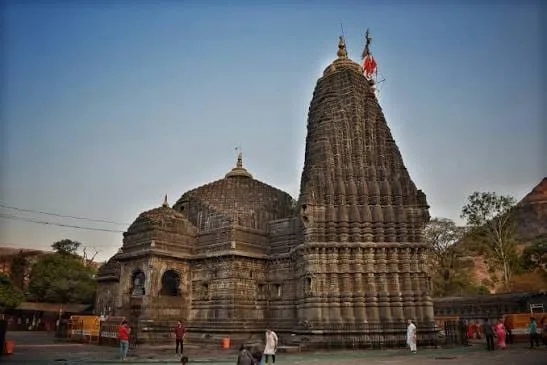
Trimbakeshwar is located near Nashik at the foothills of the Brahmagiri range, traditionally associated with the origin of the Godavari River. A distinctive feature of the Jyotirlinga is its three-faced representation, associated with Brahma, Vishnu and Mahesh. The mandir is also an important centre for traditional Hindu rites and pilgrimage.
Baidyanath Jyotirlinga — Jharkhand
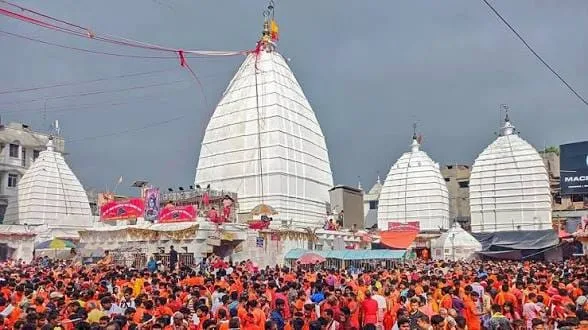
Also known as Baba Baidyanath Dham, this revered shrine is located in Deoghar and is traditionally associated with Bhagwan Shiva as the divine healer. The temple complex receives large numbers of devotees during Shravan, when pilgrims undertake journeys to offer Ganga water to Shiva. The precise identification of Baidyanath among traditional Jyotirlinga lists varies across some religious traditions.
Nageshwar Jyotirlinga — Gujarat
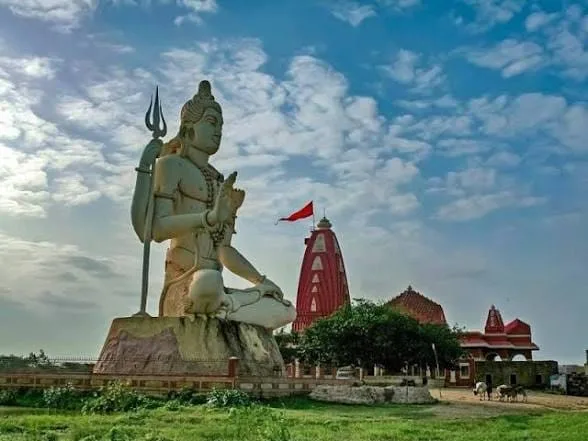
Nageshwar is traditionally associated with the region near Dwarka in Gujarat. The shrine is linked to the legend of Bhagwan Shiva protecting his devotee from the demon Daruka. Its name evokes Shiva’s association with serpents, and devotees worship here seeking his protection and blessings. Different traditions identify the location of Nageshwar differently.
Ramanathaswamy Jyotirlinga — Tamil Nadu
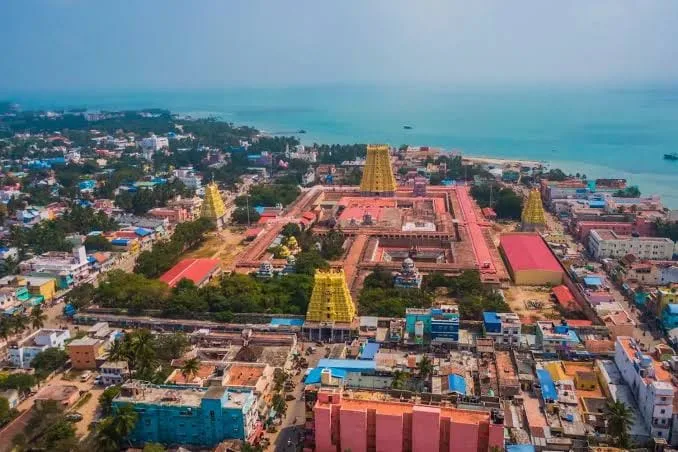
Located on Rameswaram Island, Ramanathaswamy is associated with the Ramayana tradition in which Bhagwan Rama worshipped Bhagwan Shiva. The mandir is celebrated for its magnificent pillared corridors, architectural grandeur and numerous sacred water sources. It is an important pilgrimage destination connecting Shaiva and Vaishnava traditions.
Grishneshwar Jyotirlinga — Maharashtra
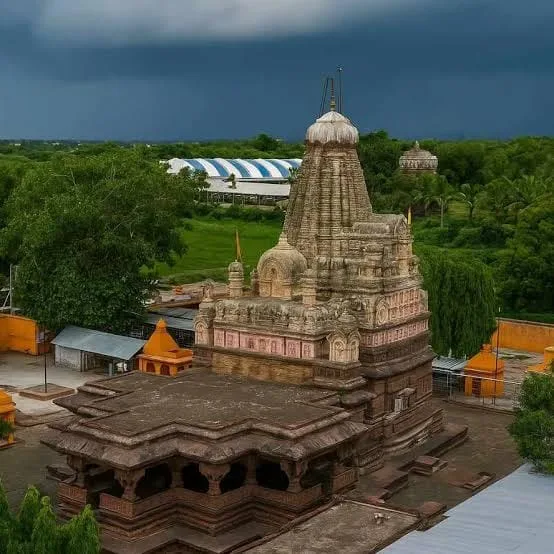
Grishneshwar is located at Verul, near the renowned Ellora Caves. The temple is known for its traditional stone architecture and its place in the twelve-Jyotirlinga pilgrimage tradition. A popular legend associated with the shrine celebrates the unwavering devotion of a woman named Ghushma and Bhagwan Shiva’s response to her prayers.
The spiritual significance of the Jyotirlingas
The twelve Jyotirlingas are more than individual places of worship. Together, they represent a sacred geography that stretches from the Himalayas in the north to Rameswaram in the south, and from Gujarat in the west to Jharkhand in the east.
Their significance lies in several aspects of Hindu tradition:
-The infinite nature of Bhagwan Shiva: The Jyotirlinga represents the divine light that has no beginning or end.
-Living mandir traditions: Daily pujas, abhishekams, festivals and pilgrimages sustain centuries-old practices.
-A shared spiritual heritage: The shrines connect regions with different languages, customs and architectural traditions through devotion to Shiva.
-Pilgrimage and personal devotion: Many devotees aspire to visit all twelve Jyotirlingas during their lifetime as an expression of faith.
When do devotees visit the Jyotirlingas?
Maha Shivaratri is one of the most important occasions for worshipping Bhagwan Shiva at these shrines. The month of Shravan is also especially significant, with large numbers of devotees undertaking pilgrimages, offering water and participating in special prayers. However, the best time to visit depends on the mandir and its location. Kedarnath, for example, has a seasonal pilgrimage schedule because of the harsh Himalayan winter, while other shrines remain accessible for much of the year. Pilgrims should check official mandir announcements for opening dates, darshan timings and travel requirements before planning their journeys.
The twelve Jyotirlingas embody the enduring place of Bhagwan Shiva in Bharat’s spiritual and cultural life. From Somnath on the western coast to Kedarnath in the Himalayas and Ramanathaswamy in the south, each shrine carries its own traditions, legends and architectural identity. Together, they form one of Sanatan Dharma’s most revered pilgrimage circuits, bringing devotees from across the country together through a shared tradition of prayer, worship and devotion to Bhagwan Shiva.