
NEW DELHI: India’s cultural diversity is reflected not only in its languages, festivals, food and traditions but also in its vibrant dance heritage. Across the country, dance has traditionally been used to narrate stories, celebrate festivals, honour deities, mark agricultural cycles and preserve the collective memory of communities.
From the classical traditions of Tamil Nadu and Kerala to the energetic folk dances of Punjab and Gujarat and the tribal dances of the Northeast, every region has developed distinctive movements, costumes, music and performance traditions. These dances often reflect the geography, history, religious traditions and social life of their communities.
While several states are home to numerous dance traditions, one representative major dance form from each of India’s 28 states can help provide an overview of this vast cultural landscape.
Andhra Pradesh — Kuchipudi
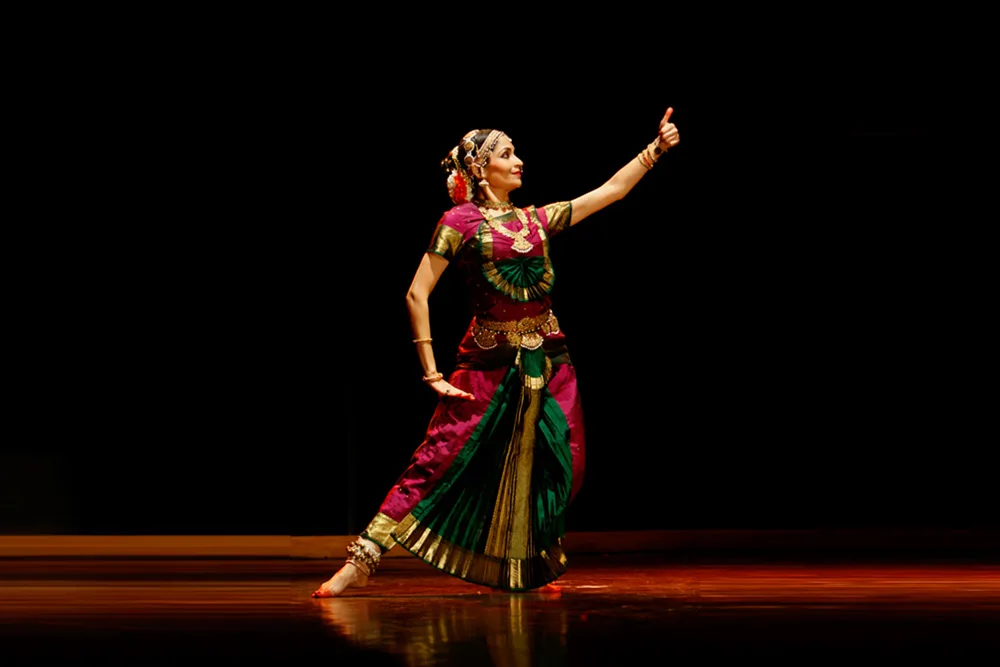
Kuchipudi is one of India’s major classical dance traditions and is closely associated with Andhra Pradesh. The dance takes its name from Kuchipudi village in the Krishna district, where the tradition developed. Historically performed by male Brahmin artistes known as Bhagavathulu, Kuchipudi evolved as a dance-drama tradition combining dance, music, dialogue and acting. Performances traditionally drew extensively from Hindu belief, particularly stories associated with Krishna, Shiva and other deities. One of Kuchipudi’s distinctive features is its combination of expressive acting (abhinaya), rhythmic footwork and dramatic storytelling. The Tarangam, in which the dancer performs while balancing on the edge of a brass plate, is among its most recognisable elements. Kuchipudi is performed on stages across India and internationally and remains an important symbol of Andhra Pradesh’s cultural heritage.
Arunachal Pradesh — Bardo Chham
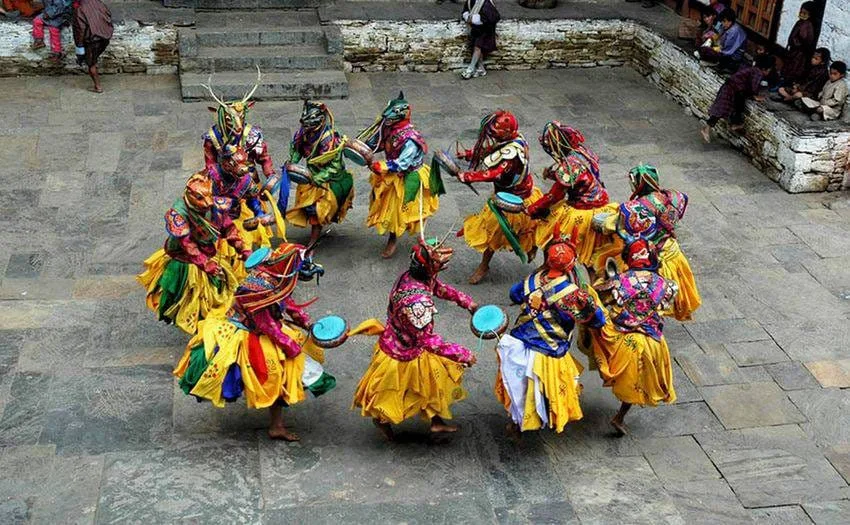
Bardo Chham is a prominent traditional masked dance associated with Arunachal Pradesh, particularly among communities influenced by Buddhist traditions. The dance symbolically represents the triumph of good over evil. Dancers wear elaborate masks representing animals, spirits and other figures and perform to traditional musical accompaniment. The colourful costumes and masks give the dance a dramatic visual character. Performances are particularly associated with religious and cultural occasions. Arunachal Pradesh has a remarkable diversity of tribal communities, and its dance traditions vary considerably from one community to another. Bardo Chham is therefore best understood as one of the state’s important representative traditions rather than its only major dance.
Assam — Bihu
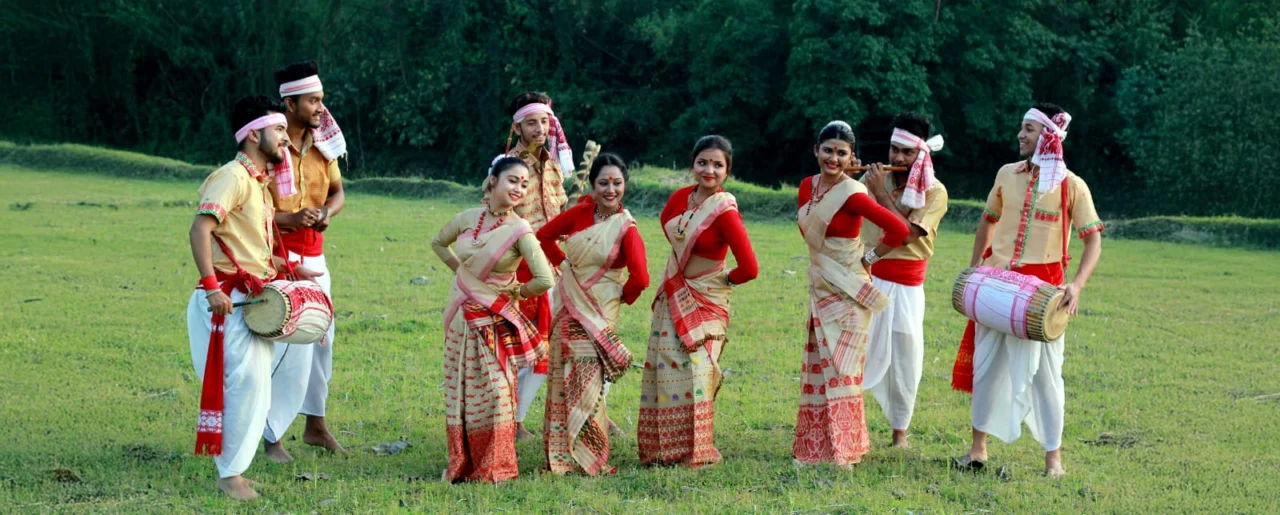
Bihu is perhaps the most recognisable dance tradition of Assam. Closely connected with the Bihu festival, the dance reflects the agricultural life, youthful energy and cultural identity of Assamese society. Young men and women traditionally perform Bihu with energetic movements accompanied by instruments such as the dhol, pepa, gogona and taal.The dance is especially associated with Rongali or Bohag Bihu, celebrated in April to mark the Assamese New Year and the beginning of the agricultural season. Bihu’s lively movements, colourful traditional attire and rhythmic music have made it one of India’s best-known folk dance traditions.
Bihar — Jat-Jatin
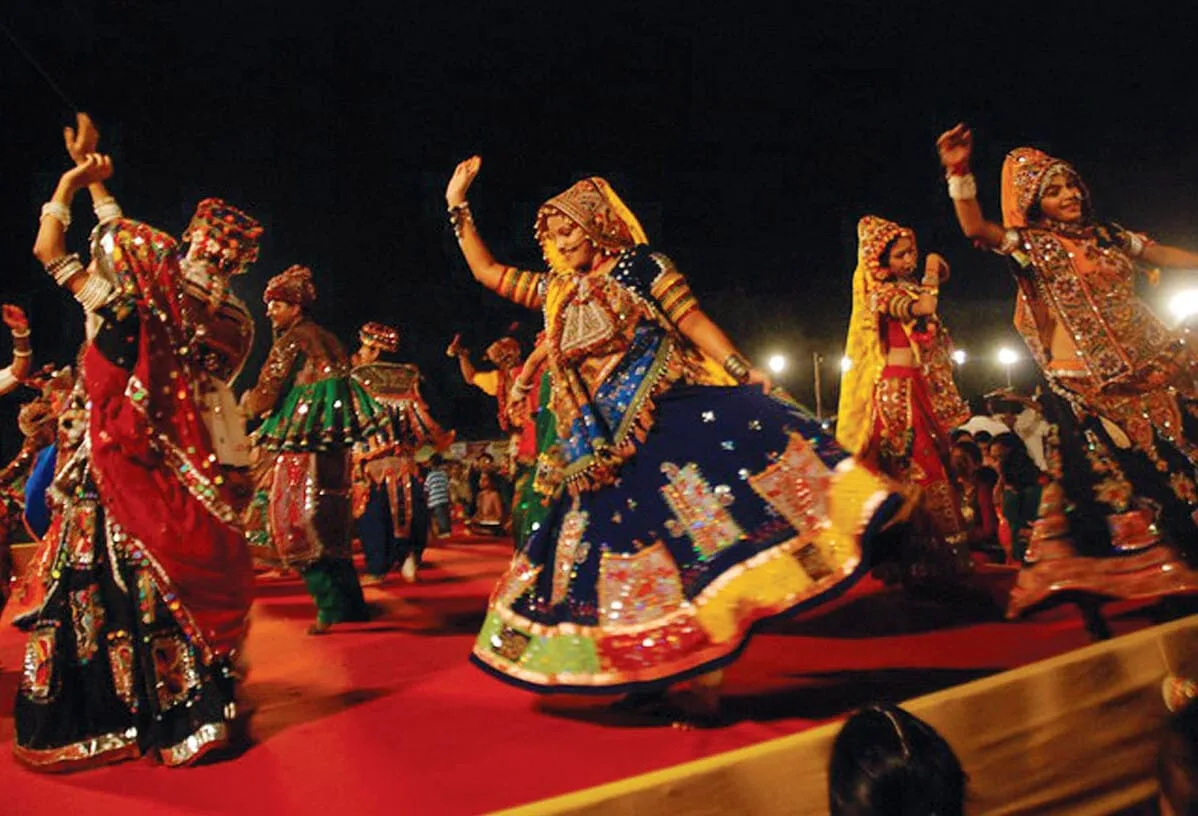
Jat-Jatin is a popular folk dance of Bihar, particularly associated with the state’s northern regions. Traditionally performed by couples, the dance draws upon the everyday experiences of rural communities. Themes of love, separation, family life and social relationships frequently appear in its songs and movements. The dance is closely linked to the folk culture of Bihar and demonstrates how rural communities have historically used performance to express emotions and tell stories. Other important folk traditions of Bihar include Bidesia, Jhijhiya and Sohar-Khilouna.
Chhattisgarh — Panthi
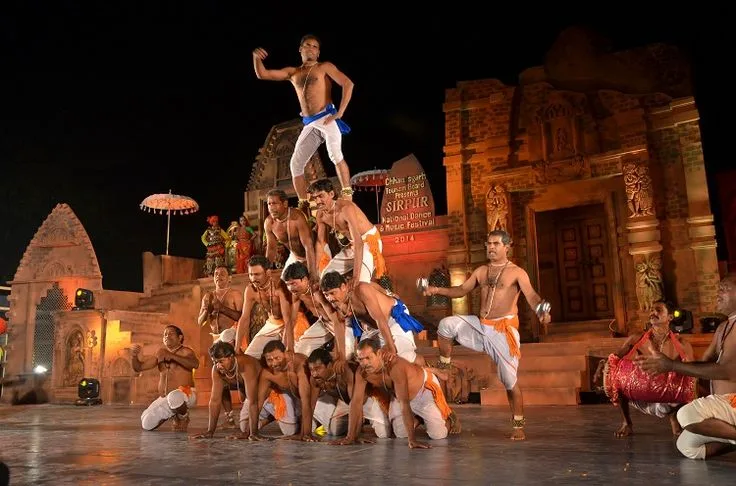
Panthi is one of the most important folk dances of Chhattisgarh. It is particularly associated with the Satnami community and is performed in connection with religious and cultural occasions. The dance is traditionally performed by groups of men who move in rhythmic formations accompanied by devotional songs. Panthi performances often convey spiritual and philosophical themes, including teachings associated with Guru Ghasidas, an important figure in the Satnami tradition. The energetic formations, coordinated movements and rhythmic music make Panthi an important part of Chhattisgarh’s folk heritage.
Goa — Fugdi
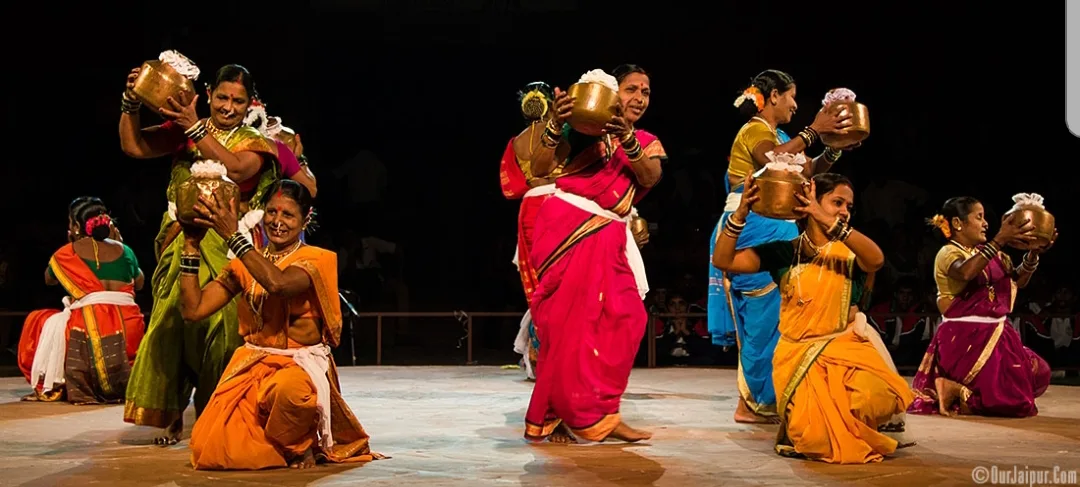
Fugdi is a traditional Goan folk dance commonly performed by women during festivals and social occasions. The dancers generally form circles or lines and perform rhythmic movements while singing traditional songs. The dance is especially associated with festivals and celebrations connected with rural and community life. Its relatively simple formations and lively rhythm reflect Goa’s traditional village culture. Other well-known Goan folk performance traditions include Dhalo, Dekhnni and Ghode Modni.
Gujarat — Garba
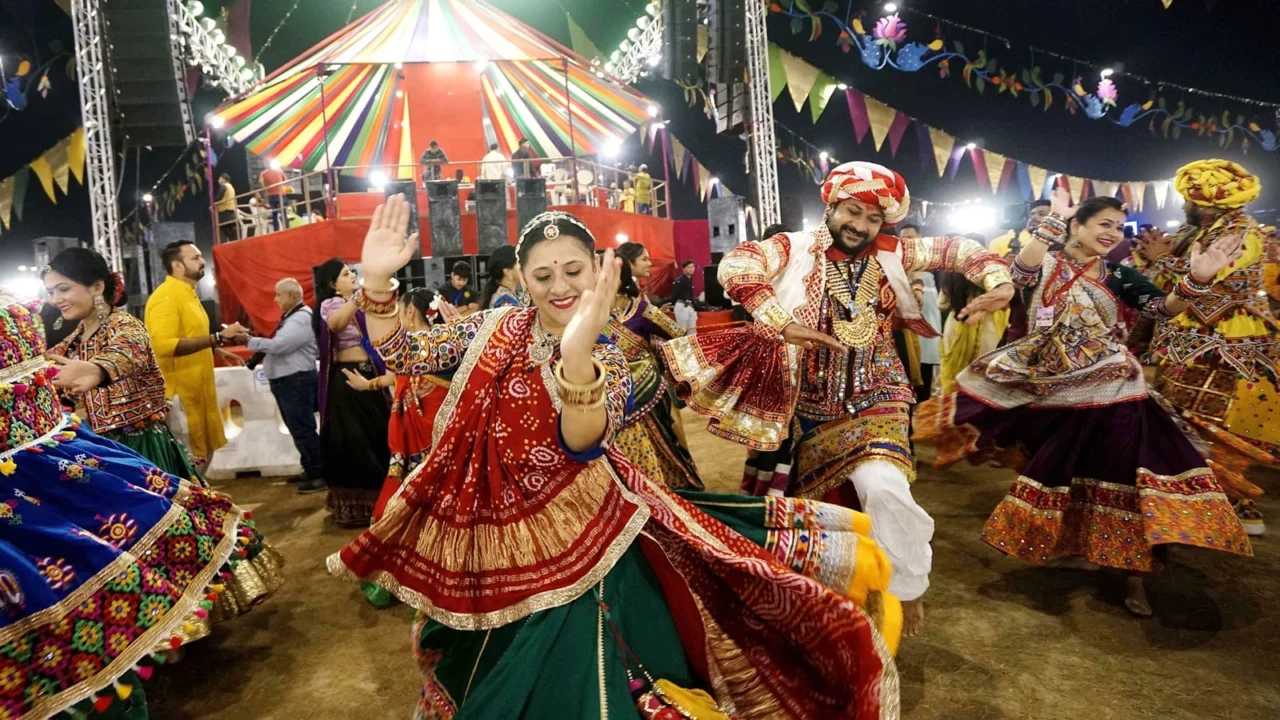
Garba is one of Gujarat’s most famous cultural traditions and has become internationally recognised. Traditionally performed in honour of Maa Durga and the divine feminine, Garba is especially associated with the nine nights of Navratri. Dancers move in circular formations around a central lamp or symbolic representation of the goddess. The circular movement is often interpreted as representing the cycle of life and the continuity of existence.Garba is accompanied by rhythmic clapping, traditional songs and instruments. Elaborate Gujarati attire, including colourful chaniya cholis and kediyas, adds to the visual appeal of performances. The tradition was inscribed on UNESCO’s Representative List of the Intangible Cultural Heritage of Humanity in 2023.
Haryana — Dhamal
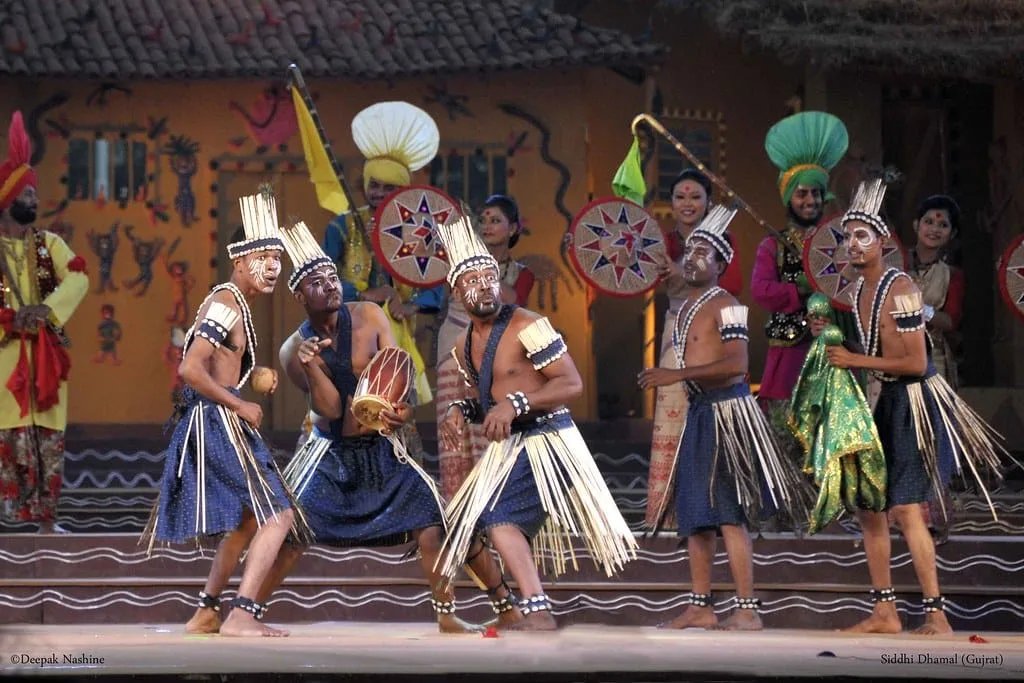
Dhamal is a traditional folk dance associated with Haryana, particularly its rural communities. The dance is generally performed by men and is traditionally connected with celebrations and agricultural life. Its energetic movements and rhythmic accompaniment reflect the robust character of Haryana’s rural culture. Other important folk dances include Phag, Khoria, Loor and Saang, each associated with different communities, seasons and occasions.
Himachal Pradesh — Nati
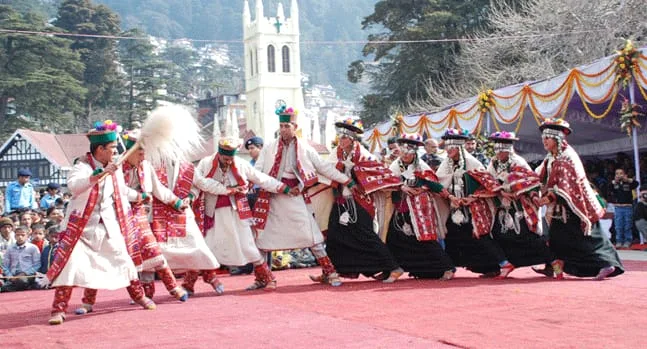
Nati is the signature folk dance of Himachal Pradesh and is particularly popular in the state’s hill regions. The dance is generally performed in groups, with dancers holding hands or placing their arms around one another while moving in coordinated patterns. Nati is performed during festivals, weddings and community celebrations. Different regions of Himachal Pradesh have developed their own variations. The dance’s measured movements, colourful woollen costumes and connection with community celebrations make it an important expression of Himachali identity.
Jharkhand — Chhau
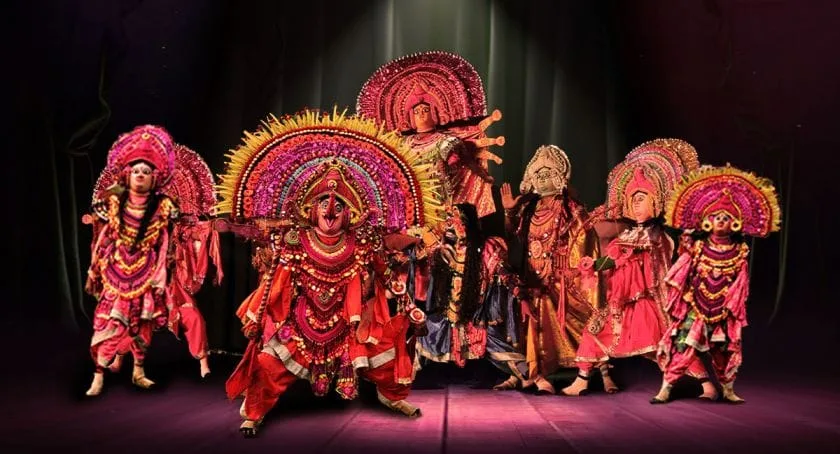
Chhau, particularly Seraikella Chhau, is a major dance tradition associated with Jharkhand. Seraikella Chhau is renowned for its sophisticated masks, controlled movements and dramatic storytelling. Performances frequently draw upon episodes from Hindu mythology, nature and everyday life. Unlike some other dance forms, Seraikella Chhau often relies heavily on body movement rather than spoken dialogue. Chhau is also practised in Odisha and West Bengal, with each regional school developing distinctive characteristics. The Chhau dance traditions were inscribed on UNESCO’s Representative List of the Intangible Cultural Heritage of Humanity in 2010.
Karnataka — Yakshagana
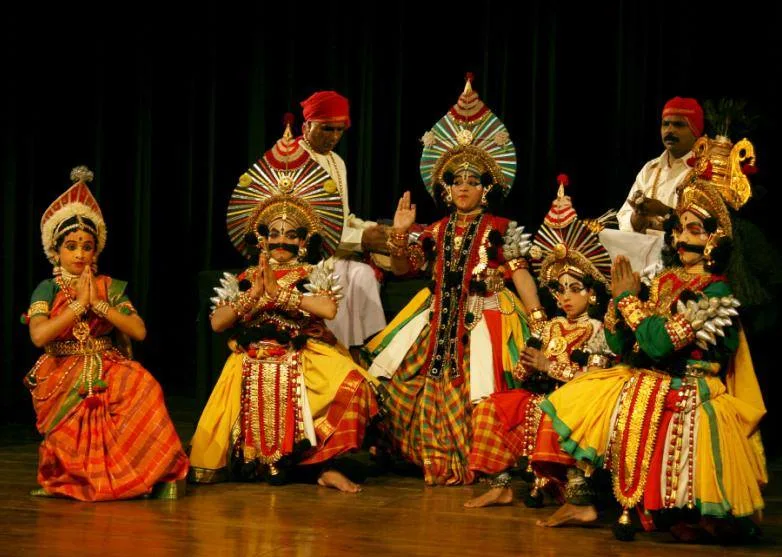
Yakshagana is one of Karnataka’s most distinctive performing arts. Combining dance, music, elaborate costumes, dialogue and theatrical storytelling, Yakshagana is traditionally performed in open-air settings, particularly in coastal Karnataka. Its stories are often drawn from the Ramayana, Mahabharata and Puranas. Performers wear elaborate headgear and colourful costumes, while striking facial makeup enhances the theatrical character of the performance. A typical performance can continue for several hours, making Yakshagana both a dance tradition and a complete theatrical form.
Kerala — Kathakali
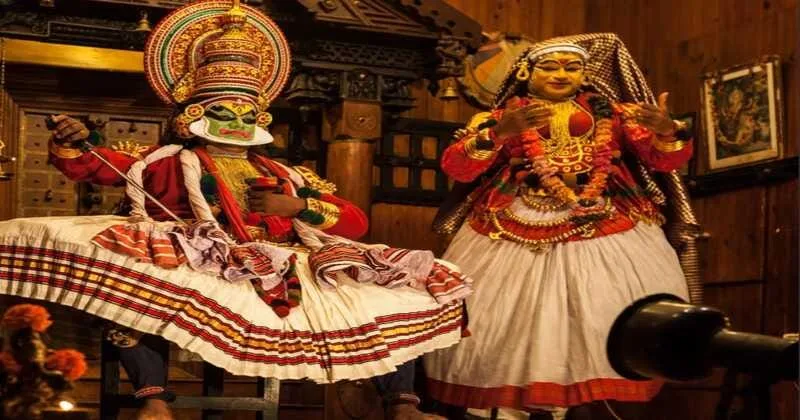
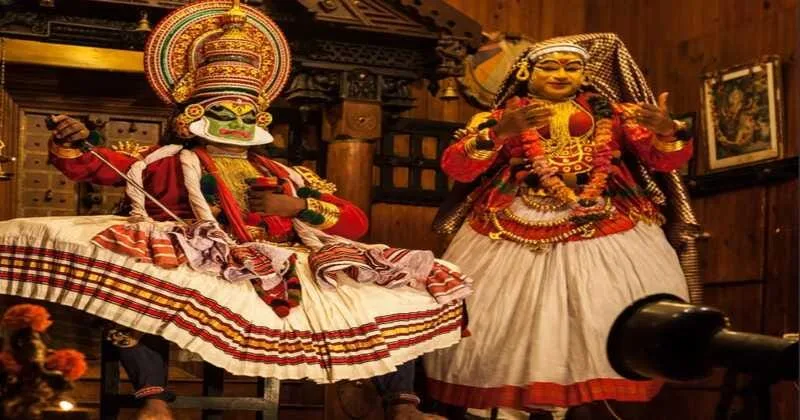
Kathakali is Kerala’s world-famous classical dance-drama tradition. Recognised for its elaborate costumes, colourful makeup, highly expressive eyes and precise facial movements, Kathakali uses mudras, body movements and facial expressions to narrate stories. Most stories traditionally come from Hindu epics and Puranic literature, particularly the Ramayana and Mahabharata. The distinctive green face makeup associated with noble or heroic characters has become one of the most recognisable images of Indian performing arts. Kathakali developed in Kerala’s temple and courtly performance culture and continues to be taught through specialised training institutions.
Madhya Pradesh — Matki
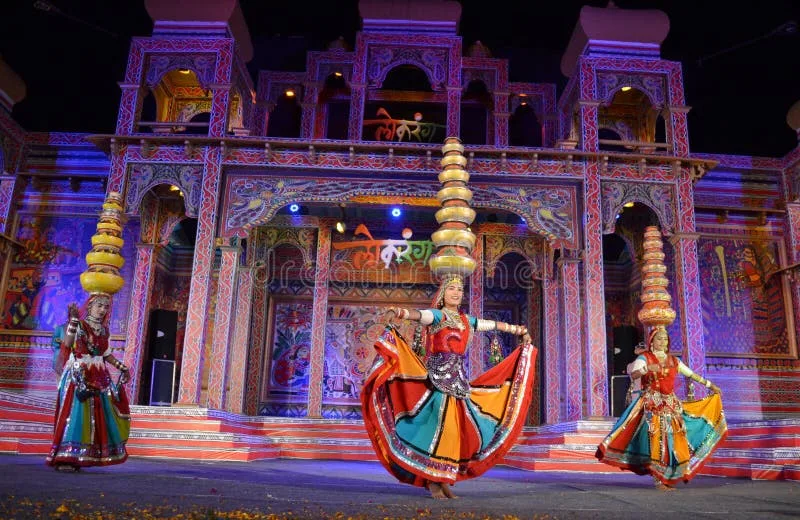
Matki is a traditional folk dance associated with Madhya Pradesh, particularly the Malwa region. The name comes from the matki, or earthen pot. Women traditionally perform the dance during weddings and other festive occasions, often balancing pots while moving rhythmically. The dance reflects the everyday cultural world of rural Madhya Pradesh and demonstrates how ordinary household objects and activities can become part of artistic expression. Other important dances include Gaur, Jawara and Grida.
Maharashtra — Lavani
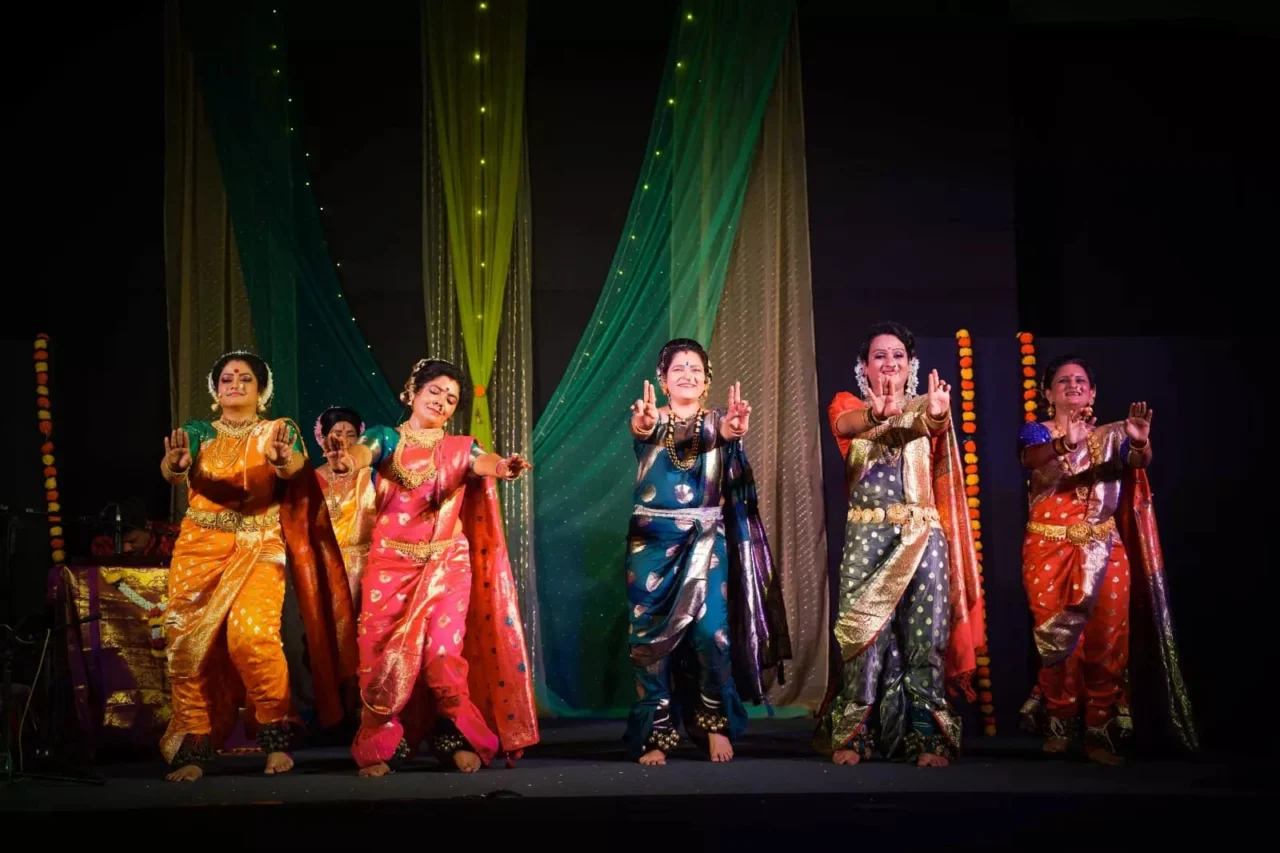
Lavani is one of Maharashtra’s most recognisable dance traditions. Traditionally performed to the powerful rhythm of the dholki, Lavani combines music, dance and expressive storytelling. Performers traditionally wear the nine-yard Nauvari saree, creating a distinctive visual style. Lavani developed as an important performance tradition in Maharashtra and has historically addressed themes ranging from love and relationships to social observations. Its energetic footwork, expressive gestures and strong rhythmic character have made it popular both on traditional stages and in contemporary performances.
Manipur — Manipuri
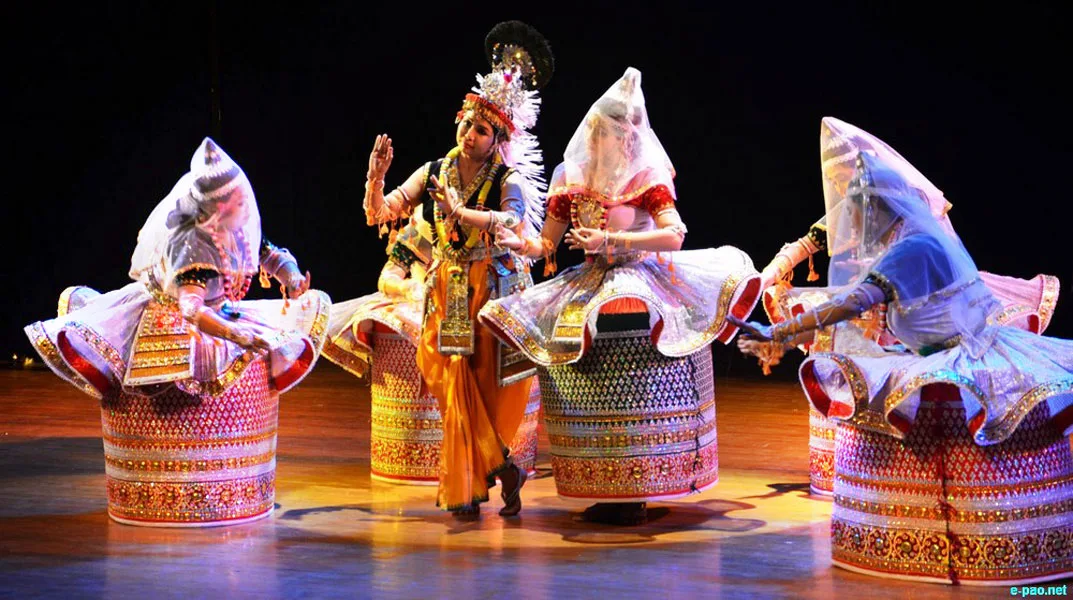
Manipuri dance is the classical dance tradition of Manipur. One of its most celebrated forms is Ras Leela, which depicts the divine love of Radha and Krishna. The dance is known for its graceful and flowing movements. Unlike highly percussive dance forms, Manipuri often emphasises softness, circular movements and devotional expression. The distinctive cylindrical costumes worn by female performers during Ras Leela are among the dance’s most recognisable features. Manipuri dance represents the deep connection between devotional traditions and performing arts in Manipur.
Meghalaya — Nongkrem Dance
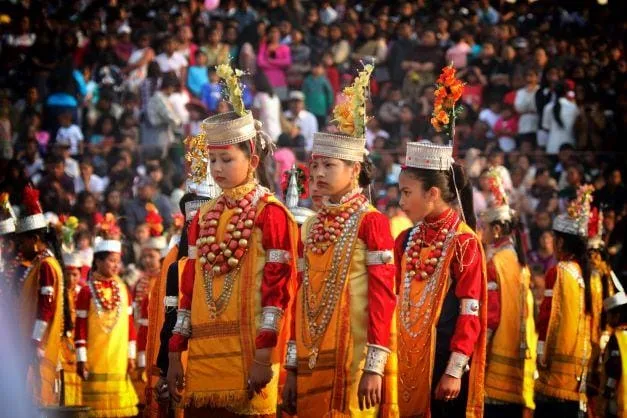
Nongkrem Dance is an important traditional dance of Meghalaya’s Khasi community. It is performed as part of the Nongkrem festival, a major cultural and religious celebration. The festival is traditionally associated with thanksgiving and prayers for prosperity and a good harvest. Women dressed in elaborate traditional Khasi attire perform graceful movements, while men accompany them with traditional instruments. The dance demonstrates the close relationship between ritual, agriculture and community identity in Meghalaya.
Mizoram — Cheraw
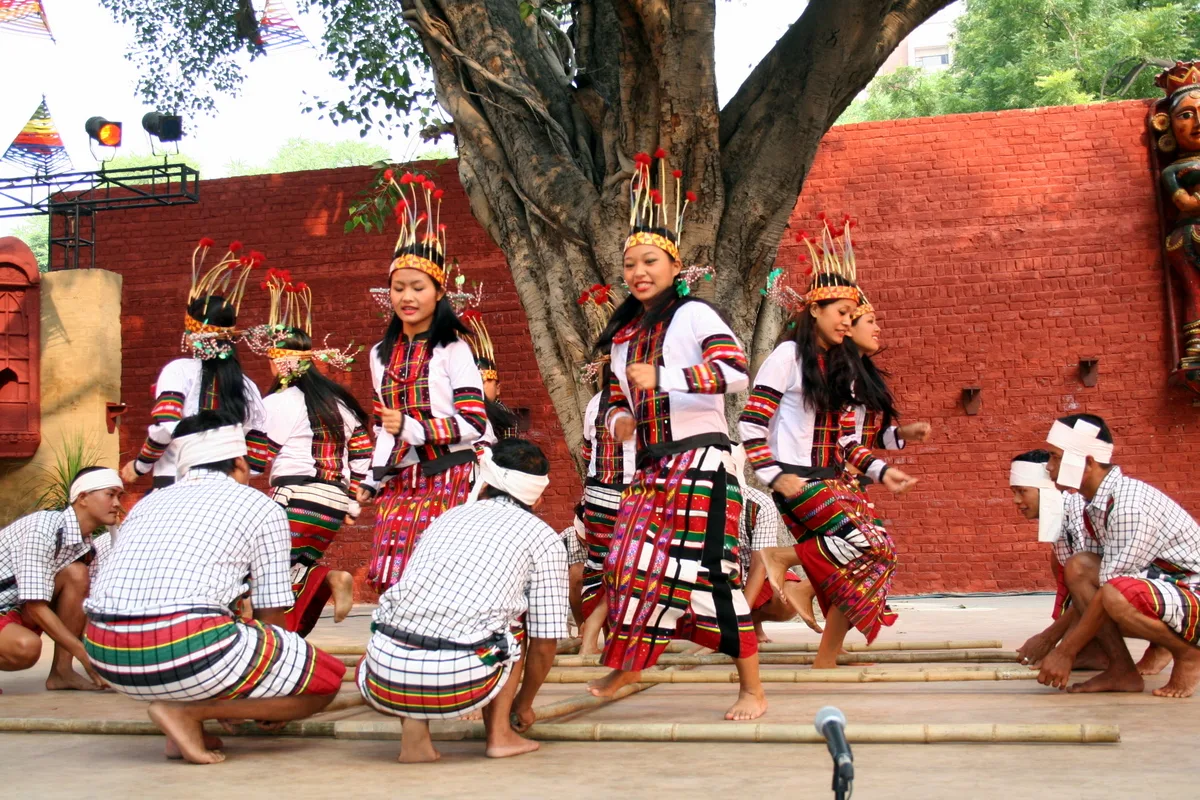
Cheraw, popularly known as the bamboo dance, is perhaps Mizoram’s most famous traditional dance. The performance involves dancers moving between bamboo poles that are rhythmically opened and closed by others sitting or kneeling on the ground. Dancers must coordinate their steps precisely with the movement of the bamboo poles. Traditionally associated with community celebrations, Cheraw has become an important cultural symbol of Mizoram. The dance is particularly striking because of its combination of rhythm, coordination and group participation.
Nagaland — Chang Lo
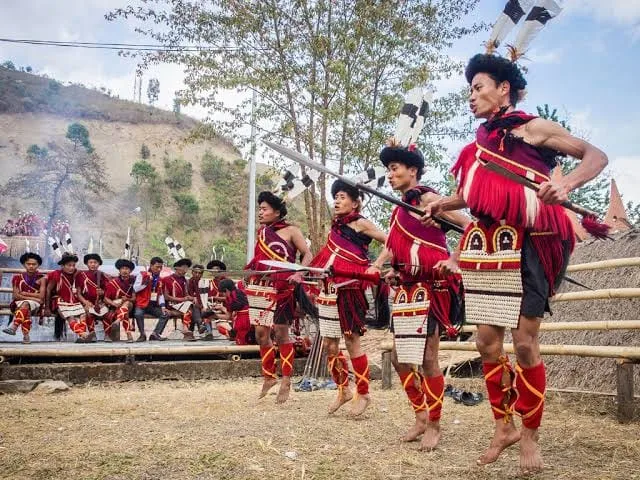
Chang Lo, also known as Sua Lua, is a traditional dance of the Chang Naga community of Nagaland. Historically connected with celebrations of victory and community life, the dance features performers dressed in traditional warrior attire. The dancers’ movements and costumes reflect the historical traditions of Naga society, including its warrior culture. Nagaland is home to numerous tribes, each possessing distinctive songs, dances and ceremonial traditions, making its cultural landscape exceptionally diverse.
Odisha — Odissi
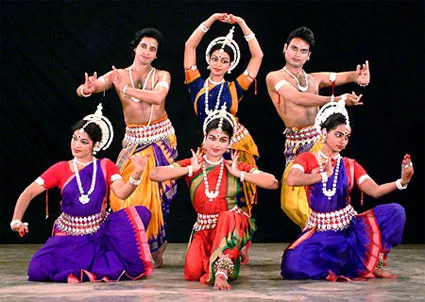
Odissi is one of India’s major classical dance forms and originated in Odisha. The tradition has deep links with Odisha’s temples and devotional culture. Its sculpturesque poses, graceful movements and expressive storytelling are strongly connected with the artistic traditions visible in Odisha’s ancient temples. Odissi repertoire frequently explores the relationship between Radha and Krishna, particularly through compositions associated with Jayadeva’s Gita Govinda. The dance is distinguished by positions such as Tribhangi, in which the body is bent at three points, and the square-shaped Chauka stance.
Punjab — Bhangra
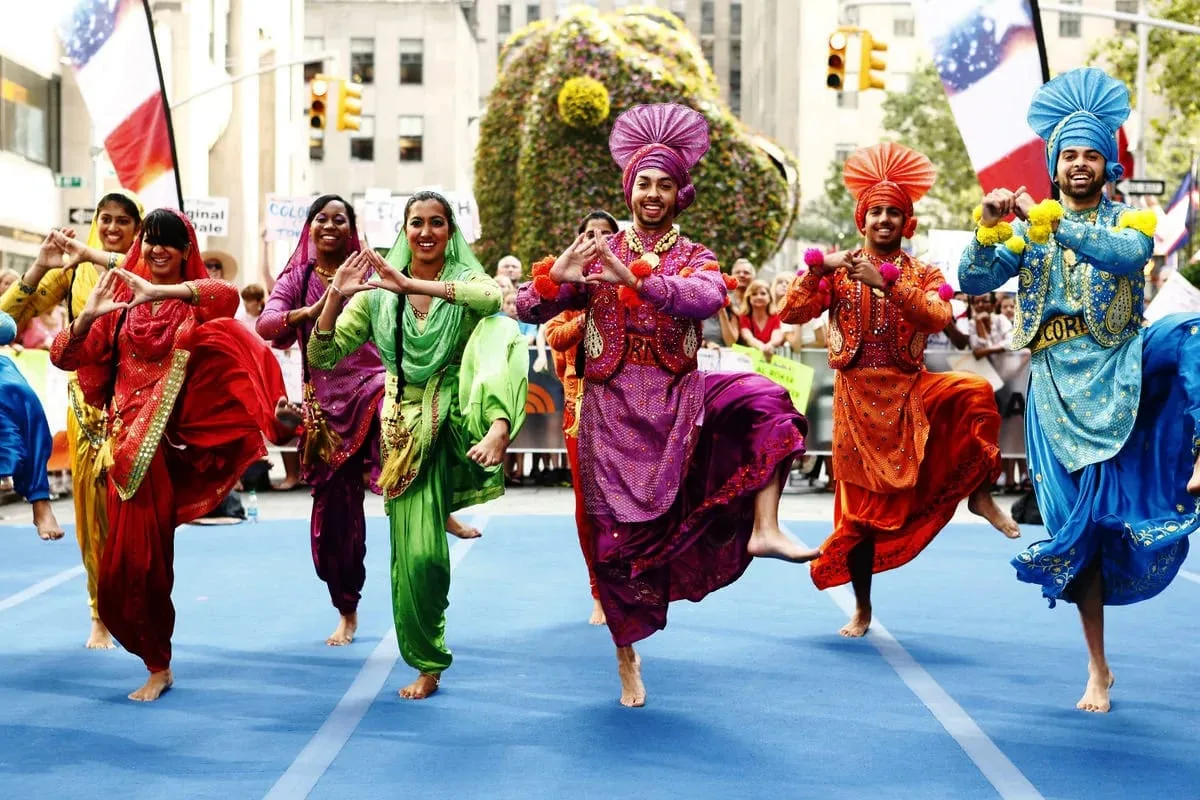
Bhangra is one of India’s most internationally recognised folk dances. Originating in Punjab’s agricultural communities, Bhangra has traditionally been associated with the harvest season and Vaisakhi celebrations. The dance is characterised by energetic movements, raised arms, vigorous footwork and the powerful rhythm of the dhol. Over time, Bhangra has evolved beyond its traditional agricultural setting and become a global cultural phenomenon, influencing popular music, dance competitions and diaspora celebrations around the world.
Rajasthan — Ghoomar
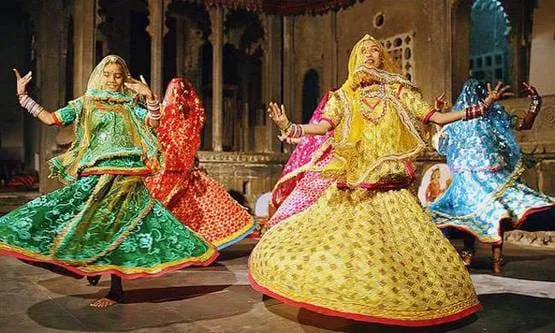
Ghoomar is one of Rajasthan’s most famous traditional dances. Traditionally performed by women, the dance is characterised by graceful spinning movements. The flowing ghagra worn by performers creates a striking visual effect as dancers turn in circles. Ghoomar is performed during festivals, weddings and other celebrations. Its movements and costumes reflect the rich artistic traditions of Rajasthan’s royal and folk cultures. The dance has also become one of the most recognisable cultural symbols of Rajasthan outside the state.
Sikkim — Maruni
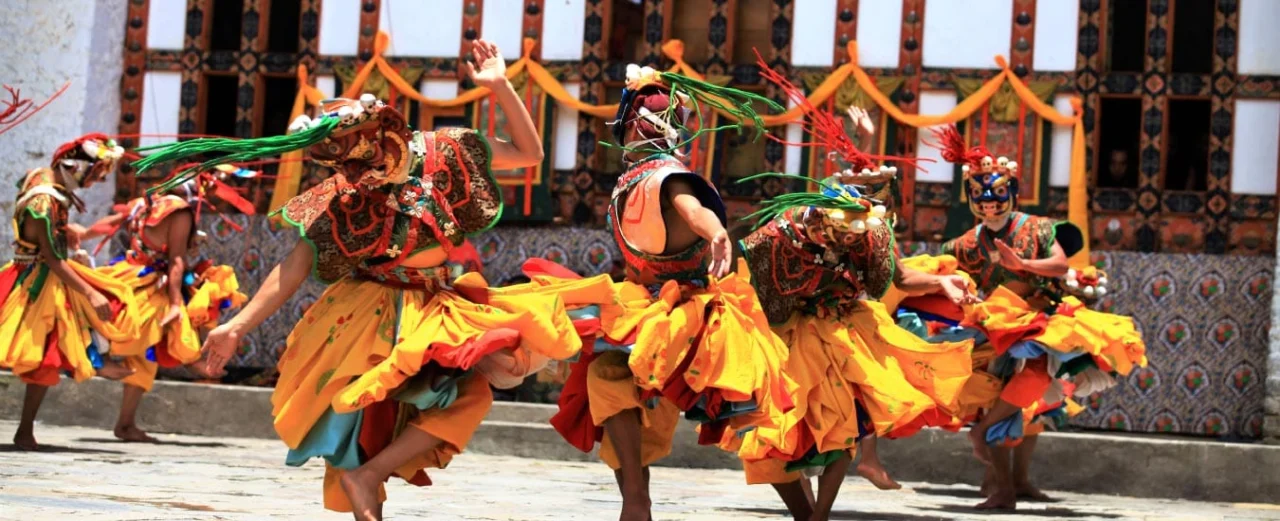
Maruni is an important traditional dance associated with Sikkim’s Nepali-speaking communities. It is generally performed during festivals and celebrations and combines colourful costumes, music and theatrical elements. The dance traditionally includes both male and female characters and can incorporate humorous and dramatic elements. Sikkim’s cultural traditions reflect influences from its Nepali, Bhutia and Lepcha communities, making its performing arts particularly diverse.
Tamil Nadu — Bharatanatyam
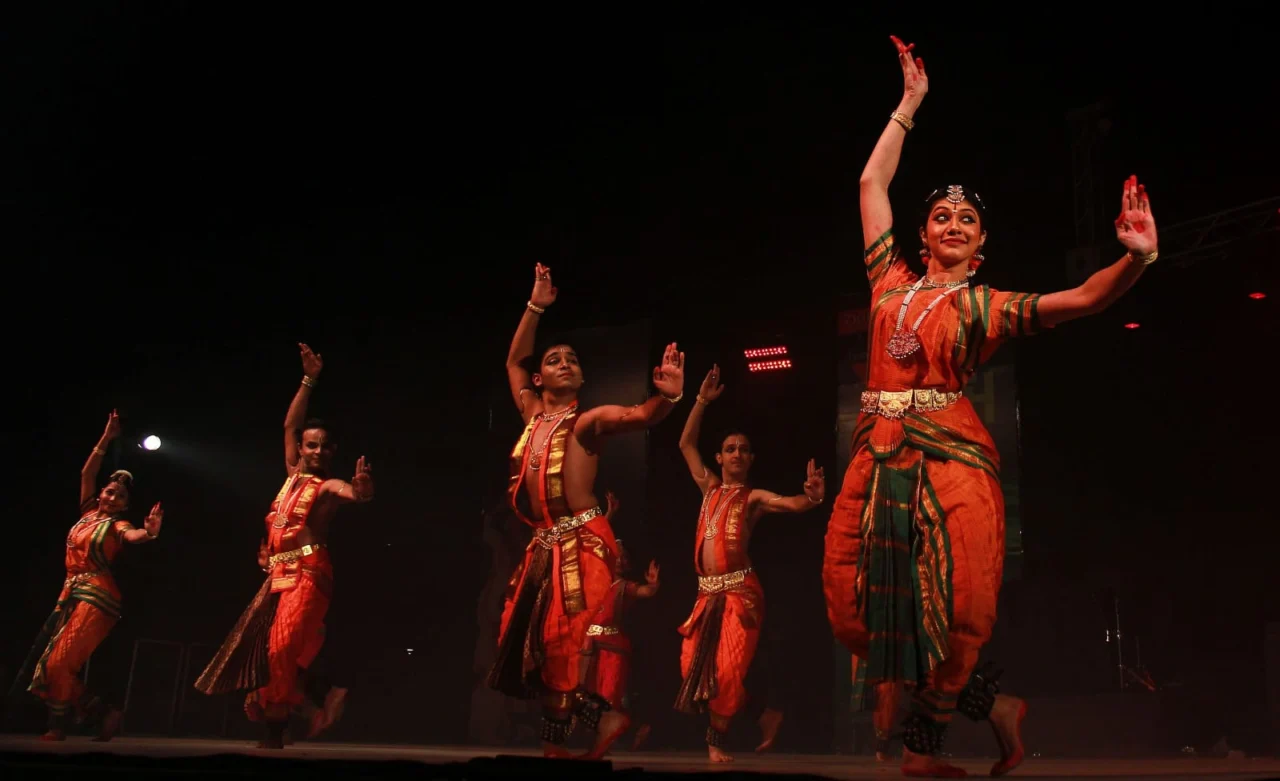
Bharatanatyam is one of India’s oldest and most widely recognised classical dance forms and is strongly associated with Tamil Nadu. Its roots are connected with the temple and performance traditions of South India. The dance combines nritta (pure dance), nritya (expressive dance) and natya (dramatic representation). Bharatanatyam is known for precise footwork, geometric body positions, hand gestures and expressive facial movements. Many performances draw upon Hindu devotional themes, particularly stories involving Shiva, Krishna and other deities. The dance’s distinctive posture, elaborate jewellery and traditional costume have become internationally recognised symbols of Indian classical dance.
Telangana — Perini Shivatandavam
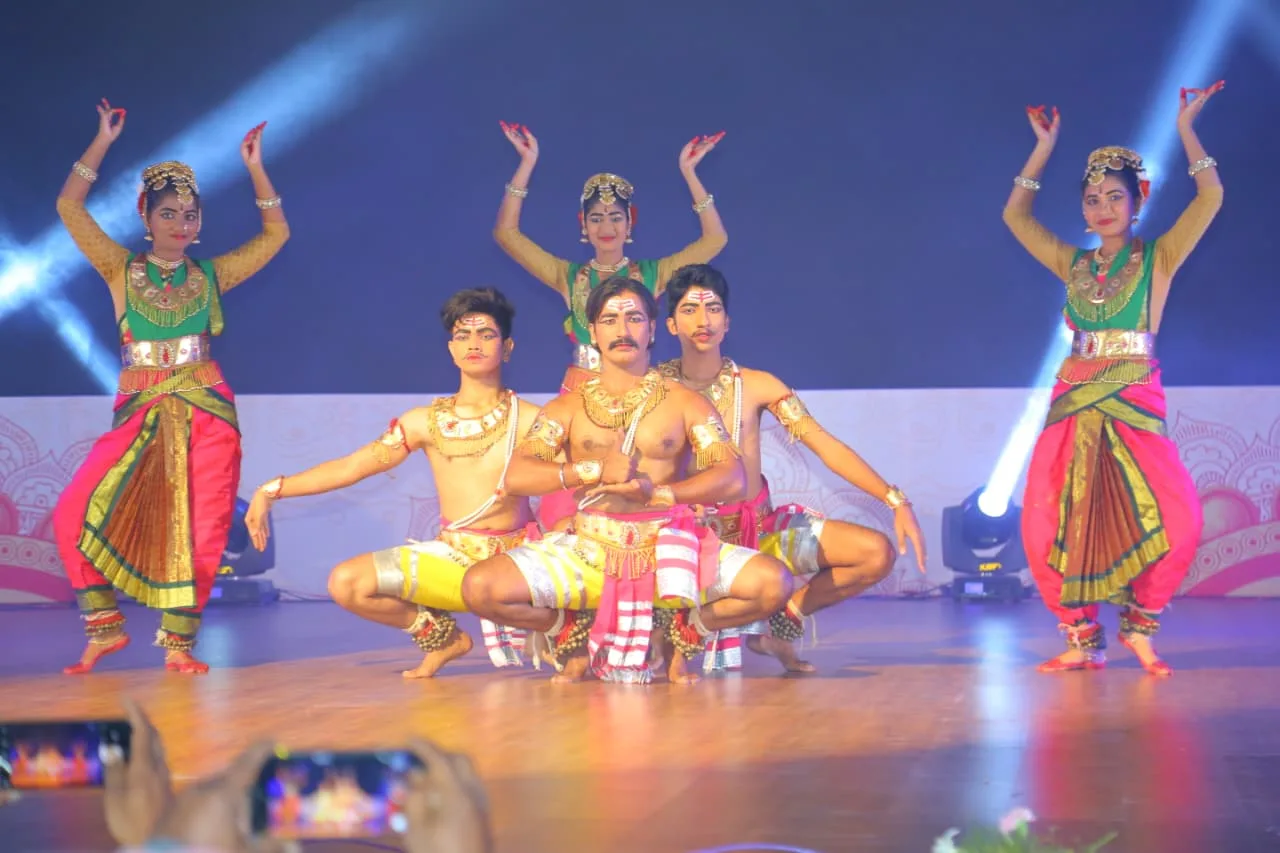
Perini Shivatandavam, also called Perini, is a historic dance tradition associated with Telangana. Traditionally linked with warriors, the dance is associated with the worship of Lord Shiva. It is characterised by powerful movements, rhythmic footwork and vigorous physical expression. The tradition is closely connected with the cultural history of the Kakatiya period. Historical references and artistic representations provide evidence of its presence in medieval Telangana. The revival of Perini in modern times has helped bring renewed attention to Telangana’s historical performing arts heritage.
Tripura — Hojagiri
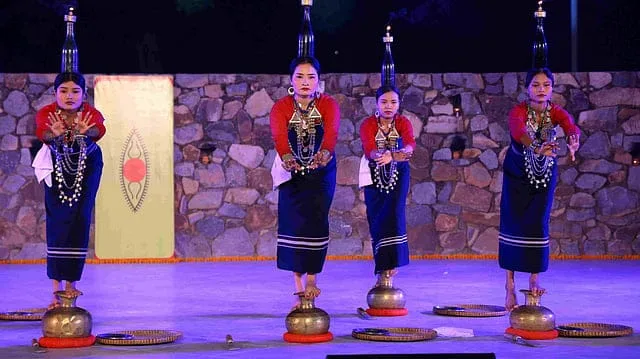
Hojagiri is one of Tripura’s best-known traditional dances and is particularly associated with the Reang (Bru) community. The dance is notable for its extraordinary balance and controlled movements. Women performers traditionally balance objects such as earthen pitchers and lamps while performing intricate movements, sometimes using only parts of the body while maintaining an upright balance. The dance is performed during festivals and religious occasions and reflects the artistic traditions of the Reang community.
Uttar Pradesh — Kathak
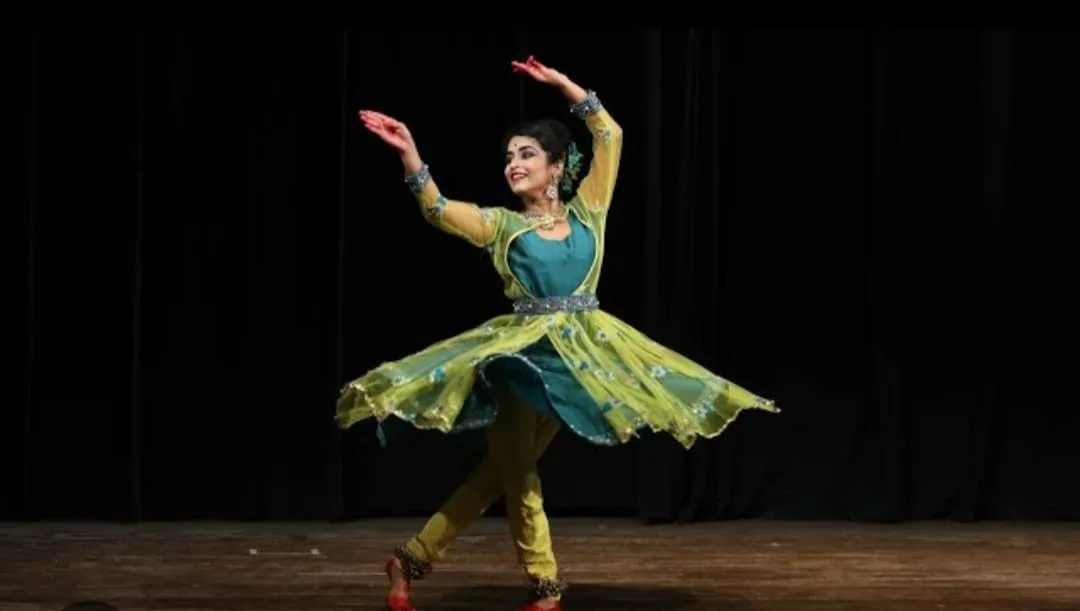
Kathak is one of India’s major classical dance traditions and has strong historical associations with Uttar Pradesh. The word is derived from katha, meaning story. Historically, Kathak developed from traditions of travelling storytellers who narrated stories through movement, music and gesture. Over time, the dance developed significantly under the influence of royal courts, particularly during the Mughal and later periods. Kathak is renowned for its rapid footwork, rhythmic spins, expressive gestures and intricate interaction with tabla and other instruments. The Lucknow gharana, based in Uttar Pradesh, is one of the most important schools of Kathak.
Uttarakhand — Chholiya
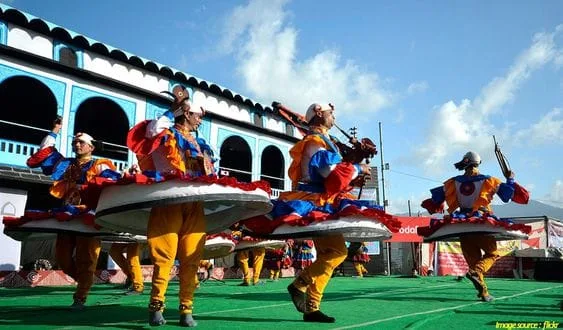
Chholiya is a traditional sword dance associated primarily with the Kumaon region of Uttarakhand. Historically linked with warrior traditions, the dance features performers carrying swords and shields while moving to the accompaniment of traditional musical instruments. It is particularly associated with weddings and ceremonial occasions. The dance reflects the historical martial traditions of the Himalayan communities and remains an important part of Uttarakhand’s cultural identity.
West Bengal — Purulia Chhau
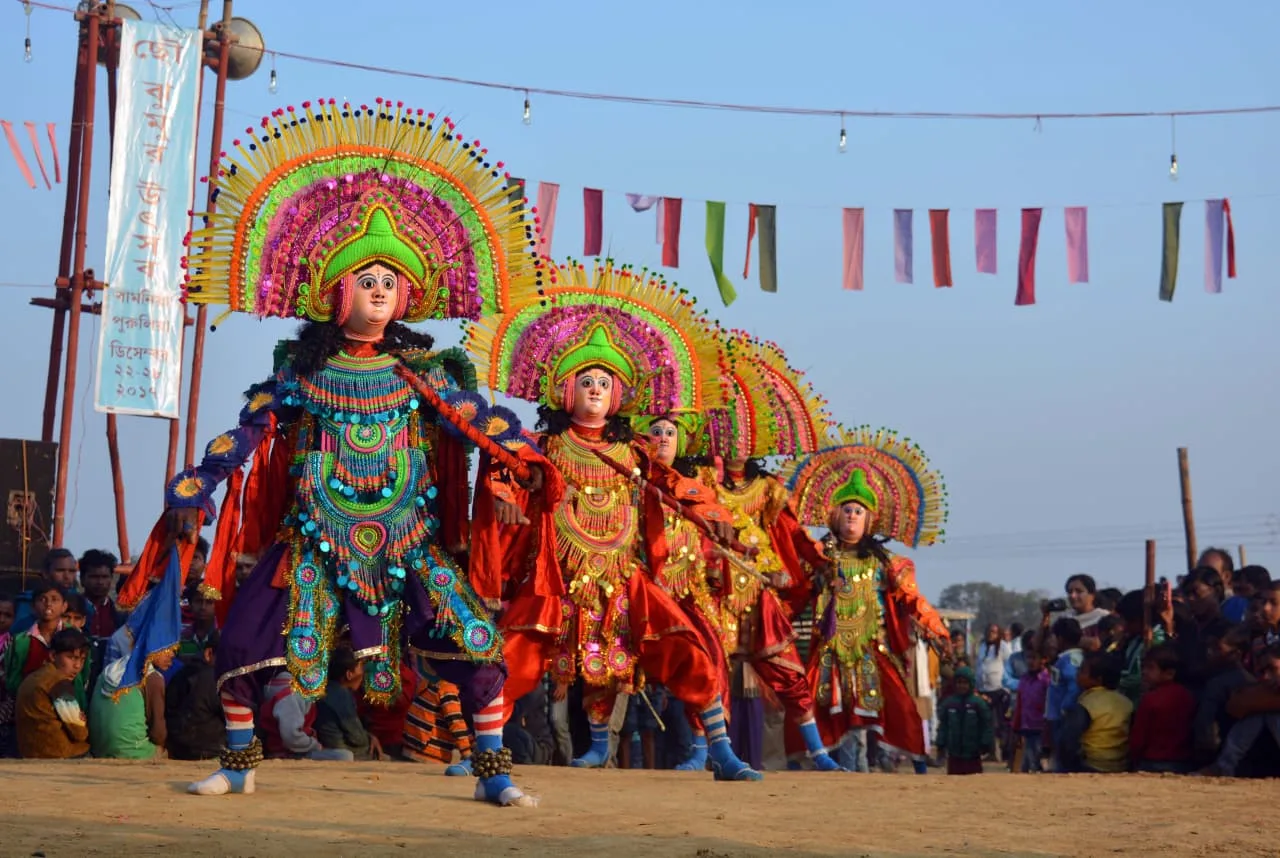
Purulia Chhau is a spectacular masked dance tradition of West Bengal, particularly associated with the Purulia district. Performers wear large, colourful masks representing gods, demons, animals and mythological characters. The dance often depicts episodes from the Ramayana, Mahabharata and Puranic traditions. The vigorous movements, dramatic jumps, elaborate costumes and striking masks give Purulia Chhau a powerful theatrical character. It forms one of the three major regional traditions of Chhau, alongside Seraikella Chhau of Jharkhand and Mayurbhanj Chhau of Odisha.
India’s dance traditions reveal how closely art is connected with community life. Garba grew around devotional celebrations in Gujarat, Bihu reflects Assam’s agricultural traditions, Bhangra emerged from Punjab’s harvest culture, while Hojagiri and Cheraw preserve the distinctive cultural practices of communities in the Northeast.
The classical traditions tell another story. Bharatanatyam, Kathak, Kathakali, Kuchipudi, Odissi and Manipuri demonstrate the evolution of India’s sophisticated systems of movement, music, expression and storytelling. At the same time, folk and tribal dances preserve traditions that have often been passed from one generation to another through community participation rather than formal institutions.
Together, these traditions demonstrate the extraordinary cultural richness of India. Each state may have its own dance traditions, but collectively they form a single, diverse cultural tapestry—one in which movement, music and community come together to tell the story of Bharat.