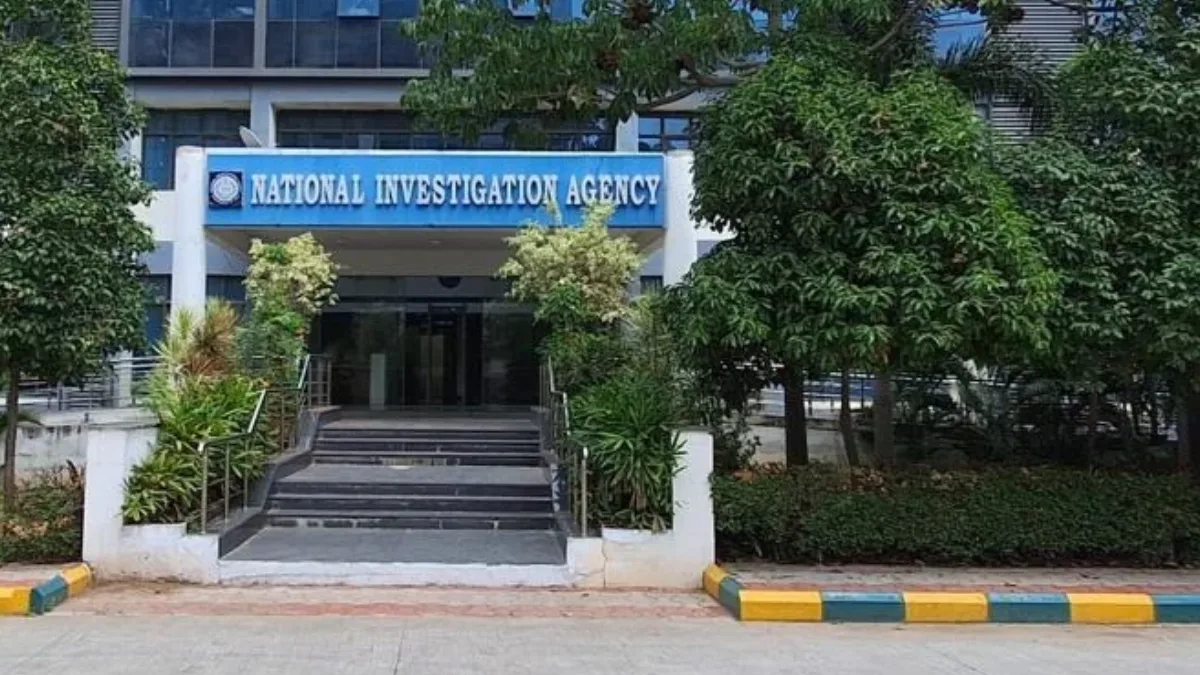
The Special Court for NIA Cases at Hyderabad has sentenced nine accused, including eight Bangladeshi nationals, to life imprisonment in a 2019 human trafficking case involving the trafficking of Bangladeshi women into India and forcing them into prostitution.
The court, in its order passed on September 17, 2026, also imposed a total fine of Rs 1,37,000 on the convicted accused. The court further ordered three months’ simple imprisonment in default of payment of the fine.
09 accused handed life imprisonment in Human Trafficking Case pic.twitter.com/NRE5tCxl5f
— NIA India (@NIA_India) September 18, 2026
The case relates to a human trafficking network that allegedly trafficked Bangladeshi women into India by luring them with promises of lucrative employment and decent wages, and subsequently forced them into prostitution.
The original case was registered by the Telangana Police at Pahadi Shareef Police Station in Hyderabad following an operation in September 2019. During the operation, three Bangladeshi women were rescued from a brothel being operated at Jalpally village, while another woman was rescued from a house at Mahimood Colony, Balapur, Hyderabad.
The National Investigation Agency (NIA) subsequently took over the investigation and re-registered the case on October 12, 2019.
During the investigation, the NIA established the involvement of the accused in the trafficking network and filed a chargesheet against accused, including absconding, on October 17, 2020.
The accused were arrested from different locations in West Bengal and Telangana during 2019 and 2020.
The nine accused who were prosecuted and convicted are Ruhul Amin Dhali (A2), Mohd Yousuf Khan alias Md Imran (A4), Bithi Begum alias Khadija Shaik (A5), Imamul Ghazi alias Mohd Rana Hussain (A6), Mohammed Al Mamun (A8), Sojib Shaik (A9), Suresh Kumar Das alias Sagor (A10), Mohd Abdulla Munshi alias Abdul Sarkar (A11) and Mohd Ayub Shaik (A12).
The accused were prosecuted under various provisions of the Indian Penal Code (IPC), the Foreigners Act, 1946, and the Immoral Traffic (Prevention) Act, 1956.