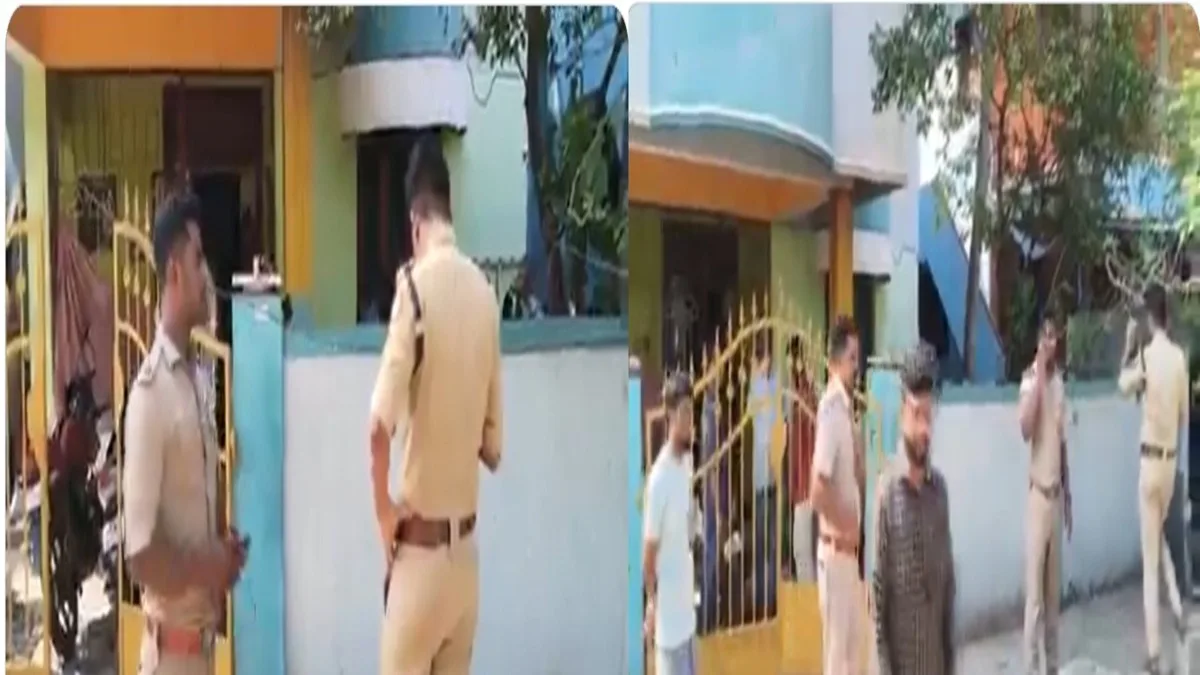
CHENNAI: Security Agencies have intensified scrutiny of alleged Hizb-ut-Tahrir (HuT) activities in Tamil Nadu, with the Special Intelligence Unit (SIU) conducting searches at the premises of six people in Thanjavur on September 29. The searches, carried out under the supervision of Thanjavur City Deputy Superintendent of Police Charles, are part of an inquiry into the alleged links and activities of the six individuals with the banned organisation.
According to police, the searches followed inquiries that allegedly indicated the six were involved in HuT-related activities. The organisation has been listed as a terrorist organisation under the Unlawful Activities (Prevention) Act (UAPA) by the Ministry of Home Affairs since October 2024.
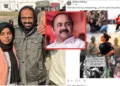
The latest action also comes against the backdrop of an ongoing National Investigation Agency (NIA) probe into an alleged HuT conspiracy in Tamil Nadu. In August 2025, the NIA said it had chargesheeted three accused—Kabeer Ahmed Aliyar, Aziz Ahamed and Bava Bahrudeen alias Mannai Bava—in a case concerning alleged efforts to propagate HuT’s ideology and raise funds for its activities. The agency alleged that the accused had sought to establish an Islamic Caliphate in India and obtain military assistance from forces hostile to the country.
Thanjavur, Tamil Nadu: The Special Intelligence Unit (SIU) conducted raids at six locations in Thanjavur over suspected links between some individuals and a banned movement. The raids were carried out under the supervision of Thanjavur City DSP Charles, with six police inspectors… pic.twitter.com/hOUv7YrRSx
— IANS (@ians_india) September 29, 2026
The NIA had earlier arrested Kabeer Ahmed Aliyar and Bava Bahrudeen in February 2025. According to the agency, the accused were allegedly involved in secret ‘Bayaans’ and other activities aimed at propagating HuT’s ideology and recruiting or radicalising youth. The investigation was stated to be continuing to establish the role of other alleged co-conspirators and the organisation’s wider network.
Earlier NIA action in Thanjavur
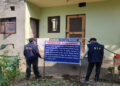
The Thanjavur searches also come months after the NIA attached a property linked to accused Bava Bahrudeen in June 2025 under Section 25 of the UAPA. The agency alleged that the property had been used for HuT-related activities since 2015, including secret classes, indoctrination and recruitment sessions. It also alleged that a ‘Khilafah Exhibition’ showcasing the military capabilities of several countries had been organised at the premises.
NIA Attaches Property of Arrested Accused in T.N. HuT Terror Conspiracy Case pic.twitter.com/gFJ1BdLYjp
— NIA India (@NIA_India) June 30, 2025
In its August 2025 chargesheet, the NIA said the three accused had allegedly entered into a conspiracy with HuT office-bearers to establish an Islamic Caliphate in India and enforce the constitution authored by the organisation’s founder, Taqi al-Din al-Nabhani. The agency further alleged that the accused had explored obtaining support from the Pakistan Army through Haj and Umrah travellers. These are allegations contained in the agency’s investigation and chargesheet and remain subject to judicial proceedings.
HuT’s legal status in India
The Ministry of Home Affairs formally added Hizb-ut-Tahrir and its manifestations and front organisations to the First Schedule of the UAPA in October 2024. The government notification said it had taken the decision after concluding that HuT was involved in terrorism and had participated in acts of terrorism in India.
HuT describes itself internationally as a political organisation seeking the establishment of a Caliphate, while governments in several countries have taken legal action against the group. In India, its activities and alleged networks have been investigated by central and state agencies, including the NIA.
The latest SIU searches in Thanjavur therefore add a fresh layer to the continuing investigation into alleged HuT-linked activities in Tamil Nadu. Details of any material seized during Tuesday’s searches, further arrests or additional legal action are expected to emerge as the inquiry progresses.