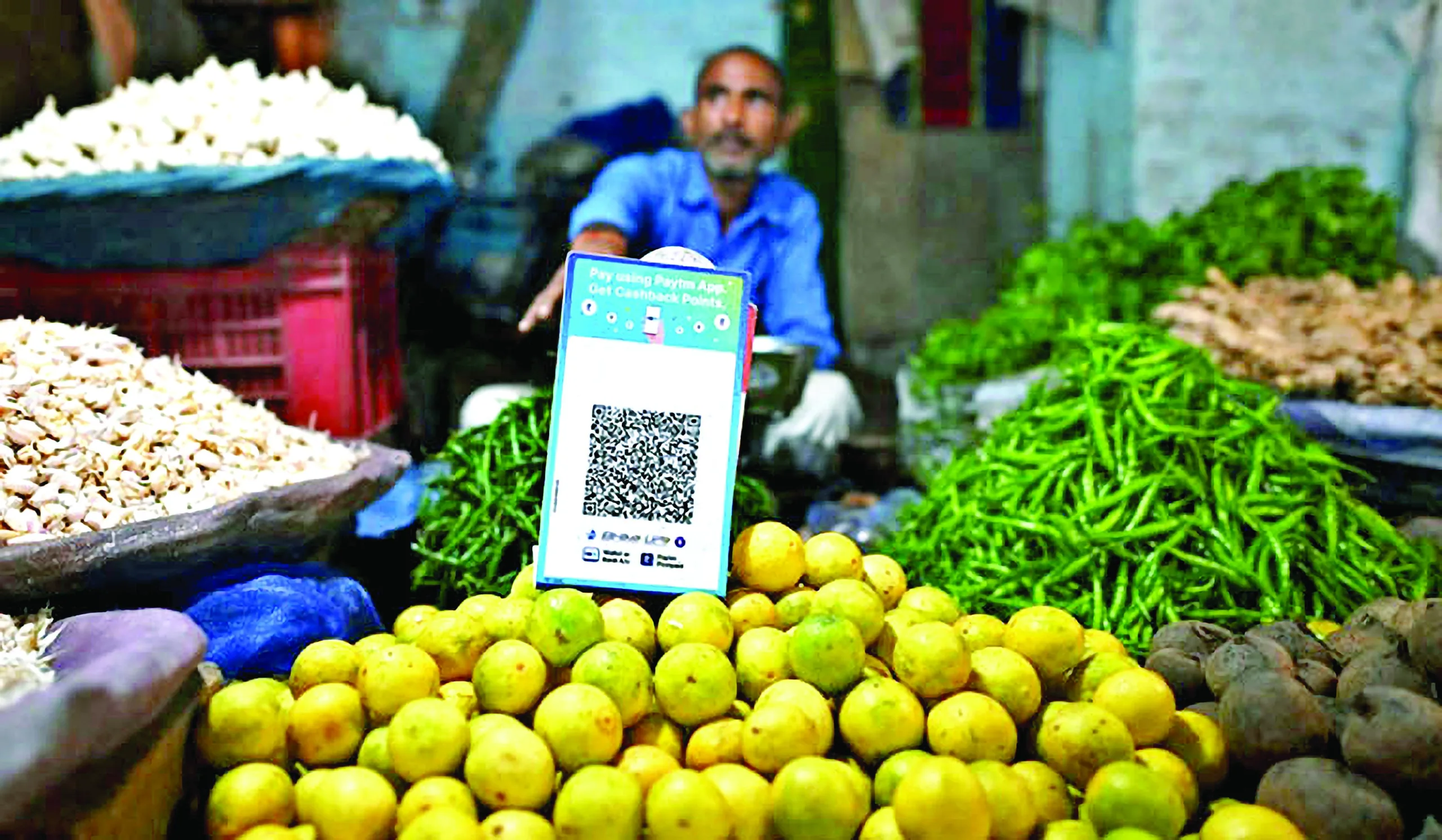
The government has prohibited banks and payment system providers from levying charges on Unified Payments Interface (UPI) transactions of up to Rs 2,000 and on payments made through RuPay debit cards.
The Finance Ministry issued the notification on Monday (September 14) under Section 10A of the Payment and Settlement Systems Act, 2007. The notification makes it clear that no bank or system provider can impose a charge, either directly or indirectly, on a person making or receiving payments through the specified payment modes.
In simple terms, users making eligible UPI payments of up to Rs 2,000 will not have to pay a separate transaction charge to banks or payment system providers. The same protection applies to transactions made using RuPay debit cards.
What does the new rule mean?
The notification keeps UPI transactions up to Rs 2,000 free from such charges. It also protects RuPay debit card transactions from these fees.
However, the rule does not mean that every UPI transaction, regardless of value, will necessarily remain free of charges in the future.
The possibility of introducing charges on UPI transactions above Rs 2,000 remains open. At present, a Merchant Discount Rate (MDR) has not been implemented for such transactions.
The government had opened the door in August to a possible nominal MDR on a limited category of larger UPI merchant transactions. According to the report, officials have indicated that any such fee would be paid by merchants rather than consumers, while person-to-person UPI payments would continue to remain free.
Why is MDR being discussed?
The growing use of UPI has increased the costs and scale of India’s digital payments infrastructure. The government has been looking at ways to ensure that the system remains financially sustainable even as transaction volumes continue to rise.
A possible MDR on selected larger merchant transactions could provide a new source of revenue for banks and payment firms.
Jefferies estimated in August that such fees could potentially generate between Rs 5,000 crore and Rs 10,000 crore annually for the payments industry.
For consumers, however, the key point under the new notification is that UPI payments up to Rs 2,000 remain protected from direct or indirect charges.
UPI records massive transaction volumes
UPI has seen extraordinary growth since its launch in 2016-17. Its annual transaction volume has increased roughly 12,000-fold since its first year.
Operated by the National Payments Corporation of India (NPCI), UPI has emerged as the world’s largest retail fast-payment system by transaction volume, according to a 2025 International Monetary Fund report.
In August, UPI processed 24.51 billion transactions worth Rs 29.82 trillion.
Google Pay and Walmart-owned PhonePe together accounted for around three-fourths of UPI transaction volumes during the month.
The scale of these transactions highlights how deeply UPI has become embedded in everyday payments, from small purchases to larger merchant transactions.
What users should know
For ordinary users, the new notification means UPI payments up to Rs 2,000 cannot be subjected to a direct or indirect charge by banks or payment system providers under the specified rule.
RuPay debit card transactions are also covered by the prohibition on such charges.
The bigger question concerns transactions above Rs 2,000, particularly larger merchant payments. While no MDR has currently been implemented, the government has been examining the possibility of introducing a limited fee structure for such transactions.