New Delhi: A U.S. federal judge on September 2 blocked enforcement of President Donald Trump’s latest executive order seeking to restrict U.S. birthright citizenship, ruling that the directive is “almost certainly unconstitutional.” The decision represents another major legal setback for the Trump administration’s effort to change the longstanding interpretation of birthright citizenship in the United States.
U.S. District Judge Deborah Boardman, based in Greenbelt, Maryland, granted a preliminary injunction requested by immigrant rights organisations challenging Trump’s renewed attempt to limit citizenship for certain children born in the United States. The ruling prevents the federal government from taking action to deny, interfere with or refuse to recognise the citizenship of children born to unlawful or temporary foreign nationals covered by the order.
Boardman’s September 2 opinion came roughly two months after the U.S. Supreme Court rejected the administration’s initial effort to end birthright citizenship. The Supreme Court’s June 30 ruling had invalidated Trump’s first attempt to restrict citizenship for children of illegal aliens and temporary visitors, prompting the administration to issue a narrower directive.
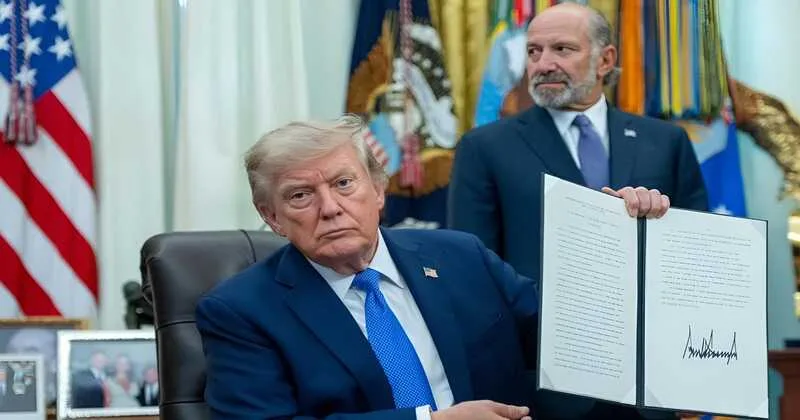
The latest legal battle centres on an executive order Trump signed on August 6. The order, titled “Continuing to Protect the Meaning and Value of American Citizenship,” sought to expand the categories of people whose children would not automatically receive U.S. birthright citizenship.
Boardman had initially declined to block the August 6 directive. However, she allowed the immigrant groups to amend their lawsuit so that she could consider a request for a preliminary injunction against the new order. After the amended case was presented, the judge issued the September 2 ruling blocking enforcement.
“The President has tried, through Executive Order, to upend our country’s longstanding tradition of birthright citizenship and eliminate, for large swaths of Americans, the right to citizenship by birth,” Boardman wrote. She described birthright citizenship as a right protected by the Citizenship Clause of the Fourteenth Amendment.
The ruling is significant for the continuing legal dispute over Trump’s birthright citizenship order, particularly because the administration had argued that its latest directive was substantially narrower than the sweeping order issued in 2025.
Judge challenges Trump administration’s new citizenship restrictions
The Trump administration introduced two executive orders roughly a month after the Supreme Court’s June 30 decision. One, “Ending Birth Tourism,” targeted the practice of foreign nationals travelling to the United States on tourist visas with the purpose of giving birth so that their children would automatically receive American citizenship.
The second order, “Continuing to Protect the Meaning and Value of American Citizenship,” focused on expanding restrictions on U.S. birthright citizenship. Administration officials argued that certain categories of children could fall outside the constitutional guarantee.
Stephen Miller, Trump’s deputy chief of staff for policy and homeland security adviser, previously said the order would cover categories including alien enemies of the United States, members of foreign terrorist organisations and large groups of individuals who lobby or act on behalf of foreign governments.
The administration has also stepped up its campaign against birth tourism. Officials announced a Birth Tourism Prevention Task Force, which has revoked the visas of hundreds of foreign nationals accused of participating in birth tourism schemes.
Trump has repeatedly criticised birthright citizenship, saying during the signing ceremony that the practice had been turned into a “joke.” Administration officials have argued that an industry has developed around birth tourism, with foreign nationals deliberately travelling to the United States to secure citizenship for their children.
Immigrant rights organisations CASA and the Asylum Seeker Advocacy Project, which had previously secured a preliminary injunction from Boardman against Trump’s 2025 birthright citizenship order, challenged the administration’s renewed effort. The groups argued that the new executive order was unconstitutional and issued “in defiance” of the Supreme Court’s ruling.
The Department of Justice, however, maintained that the new Trump birthright citizenship order was narrower than the 2025 directive. Government lawyers argued that it was designed to address specific categories identified by the Supreme Court, including children born to terrorists or foreign government employees.
Supreme court ruling sets stage for renewed legal fight
The September 2 decision followed an earlier procedural dispute on August 28. Boardman did not immediately block the new order because the immigrant groups’ original lawsuit challenged Trump’s 2025 directive and did not specifically address the 2026 executive order.
The Justice Department also argued that the latest lawsuit was premature because federal agencies had not yet issued guidance explaining how the new birthright citizenship restrictions would be implemented. According to government lawyers, legal challenges should wait until agencies take concrete steps to enforce the directive.
Boardman ultimately rejected that obstacle by issuing the preliminary injunction on September 2. Her decision prevents the federal government from “taking any other action to interfere with, deny, or fail to recognize the citizenship” of children covered by the ruling.
The judge further concluded that Trump’s latest executive order is “almost certainly unconstitutional,” citing the implications of the Supreme Court’s June 30 decision.
The September 2 ruling therefore keeps the future of U.S. birthright citizenship firmly before the federal courts. It also marks another confrontation between the Trump administration and immigrant rights groups over the scope of the Fourteenth Amendment and the constitutional right to citizenship by birth.