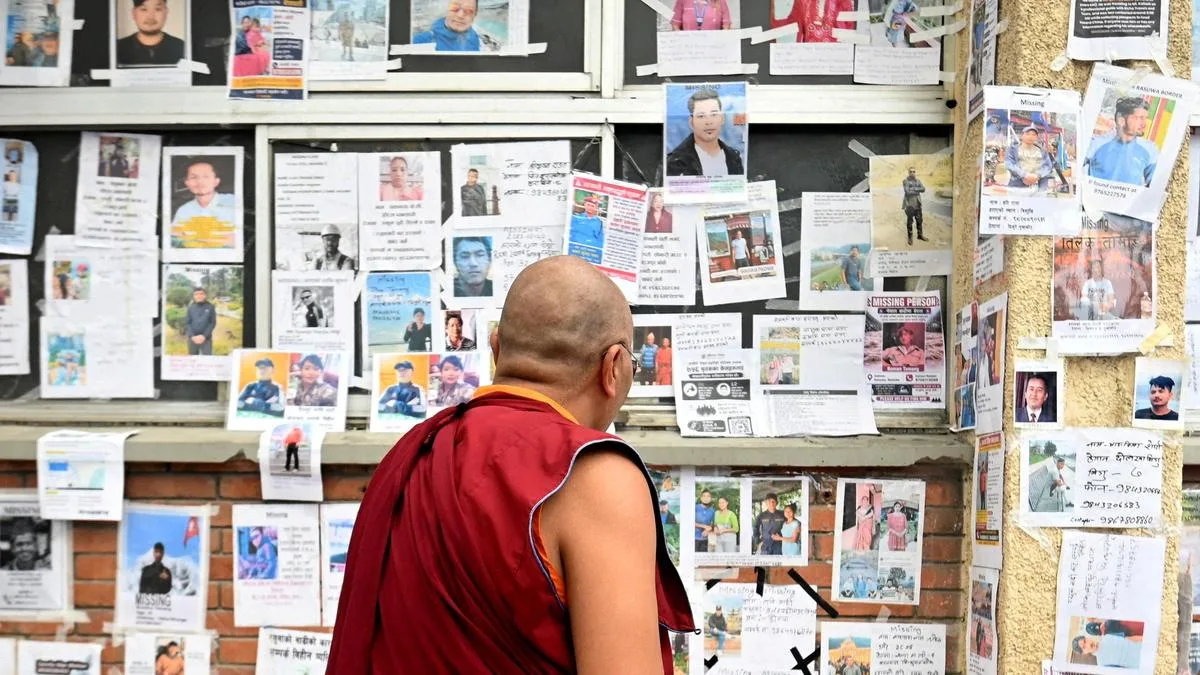
The facility will allow eligible relatives living in India to provide biological samples at designated forensic laboratories, with the resulting DNA profiles to be shared with Nepal Police for comparison with samples collected from unidentified remains.
The Ministry of External Affairs (MEA) said first-degree biological relatives of people still missing after the disaster can have their DNA samples collected and profiles prepared at designated laboratories in India.
The initiative is intended to support Nepal’s efforts to establish the identities of people whose remains have been recovered but could not yet be identified.
The relatives eligible to provide samples include the father, mother, son, daughter or sibling of a missing person.
𝐏𝐫𝐞𝐬𝐬 𝐑𝐞𝐥𝐞𝐚𝐬𝐞: 𝐃𝐍𝐀 𝐏𝐫𝐨𝐟𝐢𝐥𝐢𝐧𝐠 𝐨𝐟 𝐅𝐢𝐫𝐬𝐭-𝐃𝐞𝐠𝐫𝐞𝐞 𝐑𝐞𝐥𝐚𝐭𝐢𝐯𝐞𝐬 𝐨𝐟 𝐏𝐞𝐫𝐬𝐨𝐧𝐬 𝐌𝐢𝐬𝐬𝐢𝐧𝐠 𝐢𝐧 𝐭𝐡𝐞 𝐅𝐥𝐚𝐬𝐡 𝐅𝐥𝐨𝐨𝐝𝐬 𝐢𝐧 𝐍𝐞𝐩𝐚𝐥
Through its Press Release dated 01 September 2026, the Embassy of India, Kathmandu,… pic.twitter.com/e9waEzpgdB
— IndiaInNepal (@IndiaInNepal) September 3, 2026
The DNA profiling facility will be available through Central Forensic Science Laboratories (CFSLs), State Forensic Science Laboratories (SFSLs), laboratories of the National Forensic Sciences University (NFSU), and NABL-accredited laboratories that have the required DNA profiling capabilities.
The Centre has also shared details of forensic laboratories and their contact points to help families access the facility.
How the DNA identification process will work
According to the MEA, Nepal Police has advised the use of Autosomal STR DNA profiling for identification, subject to the technical requirements communicated by the Nepali authorities.
Under the process, an eligible relative in India can have a DNA sample collected and a DNA profile prepared at one of the designated laboratories.
The resulting profile, along with the preliminary information required by Nepal Police, can then be sent to the DNA Coordination Unit of Nepal Police.
The DNA profile will be compared with genetic material obtained from unidentified mortal remains recovered after the floods. A match can help authorities establish whether a recovered body or set of remains belongs to a particular missing person.
The Embassy of India in Kathmandu will assist in coordinating the process between the families, Indian authorities and Nepalese authorities.
Families can also share a copy of the DNA profile with the Embassy’s flood support contact to facilitate coordination.
Thousands of people still missing
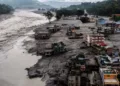
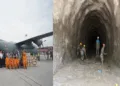
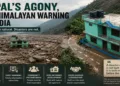
India’s offer comes as Nepal continues a large-scale search, rescue and identification operation following the flash floods of August 26.
According to figures cited from Nepal’s National Disaster Risk Reduction and Management Authority, at least 1,259 people have died and 4,216 remain missing, while more than 12,000 people have been rescued.
The scale of the disaster has made identification of recovered remains a major challenge, particularly in cases where bodies have been severely damaged or separated from personal belongings and documentation.
DNA profiling can provide a scientific means of identification when conventional methods such as photographs, documents, fingerprints or visual identification are not sufficient.
Disaster also affected Tibet
The disaster was linked to an ice-rock avalanche near the Nepal-Tibet border, which triggered severe flooding and caused widespread destruction across parts of northern and central Nepal.
Chinese state media separately reported 21 deaths and 541 people missing in Tibet. When combined with the figures reported from Nepal, the disaster’s reported toll across the affected region stood at 1,280 deaths and 5,624 missing persons, according to the figures cited in the report.
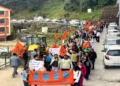
With search and identification operations continuing, India’s DNA profiling initiative could help families who are still waiting for confirmation about the fate of relatives missing since the floods.