NEW DELHI: The Centre has begun the process of seeking public input on proposed reforms to India’s public examination system, with a particular focus on strengthening the functioning and security of the National Testing Agency (NTA).
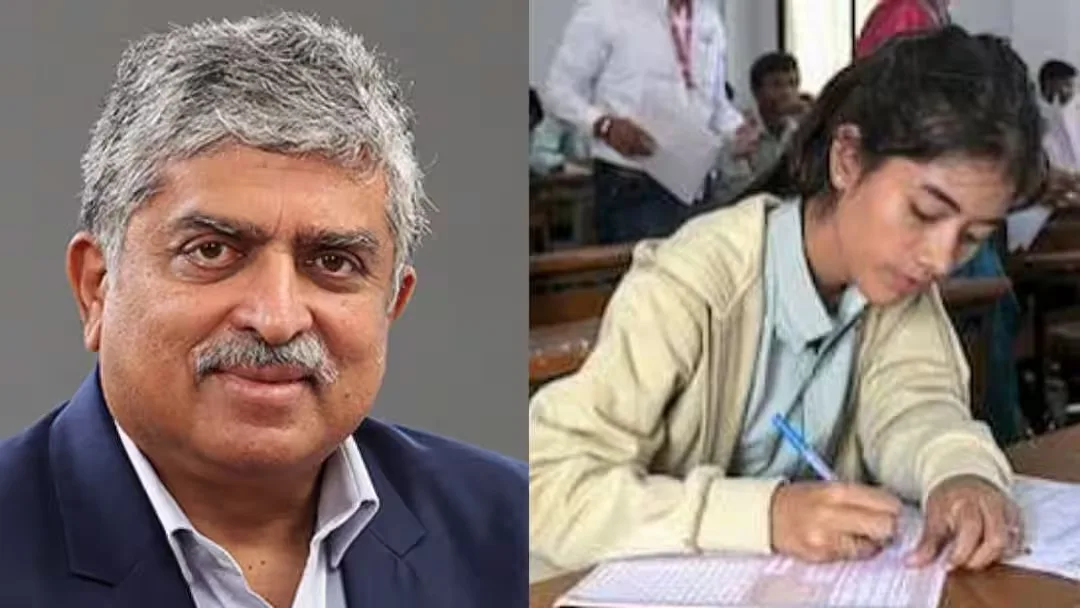
A six-member high-powered task force headed by Nandan Nilekani, co-founder of Infosys, has invited suggestions from students, parents, teachers, educational institutions and civil society organisations.
The task force has been asked to examine the examination system comprehensively, including NTA’s operations, examination security, infrastructure and the design of examinations.
According to the Union Personnel Ministry, the exercise is aimed at developing a system that is secure, transparent, fair and future-ready.
Public suggestions are being sought on measures to prevent examination malpractices, strengthen institutional mechanisms, make greater use of technology and reduce difficulties faced by students.
Feedback can be submitted till September 13
Members of the public can submit their suggestions until September 13.
The government has allowed feedback to be submitted in English, Hindi and regional languages through multiple channels.
Suggestions can be submitted through the task force’s website at examreforms-taskforce.dopt.gov.in. People can also call 1800-180-4747 or send the word “hptf” on WhatsApp to 7827042830.
The government will use the feedback received through these channels as an input for the task force’s recommendations.
After considering the suggestions and examining various aspects of the examination system, the task force is expected to submit its recommendations to the government.
Nilekani-led panel formed in July
The Centre constituted the high-powered task force in July, with Nilekani as its chairperson.
The panel was formed amid protests by students at Delhi’s Jantar Mantar over allegations of examination paper leaks and demands for changes in the examination system.
Besides Nilekani, the six-member task force includes former Intelligence Bureau director Tapan Deka, former ISRO chairman S. Somanath, IIT Madras director V. Kamakoti, former Education Secretary Anita Karwal and logistics expert Amrit Lal Meena.
The panel’s mandate covers several aspects of the public examination system, with specific attention to the functioning of the NTA.
Its work includes examining how examinations are conducted, how security can be strengthened and how technology and infrastructure can be used to improve the overall process.
Focus on NTA operations and examination security
The task force is specifically looking at NTA’s exam operations, security, exam design and infrastructure.
The move comes as examination agencies face growing scrutiny over allegations of irregularities and paper leaks.
The government has indicated that the reform exercise will look beyond individual incidents and examine the institutional systems involved in conducting public examinations.
Among the areas on which suggestions have been invited are ways to prevent examination malpractices, strengthen institutions, improve technological systems and address problems faced by students.
The stated objective is to create an examination system that is not only secure but also transparent and fair to candidates.
Three new officers appointed to NTA
The Centre has also made changes within the National Testing Agency.
On August 28, three new officers were appointed to the NTA following the paper leak controversy.
IPS officer Ravi Kumar Singh and IAS officer Prasanna Venkatesh V. have been appointed as directors, while IRS officer Amit Samdariya has been appointed as joint director.
The appointments come as the government undertakes a broader review of examination systems and NTA operations.
Government’s response to paper leak concerns
The examination reform exercise follows a series of controversies surrounding public examinations and allegations of paper leaks.
Prime Minister Narendra Modi had addressed the issue in a video message posted on his X account at midnight on July 23.
In the message, Modi said paper leaks were not a minor issue and that they were painful for millions of students and their parents.
He said several steps had been taken over the preceding two-and-a-half months to address the issue and that those responsible had been arrested and were in jail.
The Prime Minister also said the government had a responsibility to ensure that students’ academic year was not wasted.
He referred to the examination conducted for 22 lakh students within a short period and said the government would not consider those measures sufficient on their own.
He also said the government had directed that fast-track courts be established in connection with the issue.
Anti-paper leak legislation passed by Parliament
Alongside administrative measures, the government has also moved towards strengthening the legal framework dealing with examination-related malpractices.
An amendment bill related to paper leaks was introduced during the Monsoon Session of Parliament.
The legislation was passed by both Houses of Parliament and became law after receiving the President’s assent on August 1.
According to the government, the law is not restricted to examinations conducted by the National Testing Agency.
Its provisions also cover public examinations conducted by agencies and institutions including the Union Public Service Commission (UPSC), Staff Selection Commission and banking examination bodies, among others.
The legislation is intended to strengthen action against malpractice in public examinations.
Paper leak controversy brings examination system under scrutiny
The latest reform initiative follows intense scrutiny of examination systems after allegations of paper leaks.
The government and examination authorities have faced pressure to strengthen the security of question papers, examination infrastructure and procedures used in conducting major competitive examinations.
The creation of the Nilekani-led task force represents a broader effort to examine these issues systematically.
Rather than focusing only on the security of question papers, the task force has been asked to consider multiple components of the examination system, including operations, infrastructure, technology and examination design.
The government has also opened the process to public suggestions, allowing students and other stakeholders to directly share their concerns and recommendations.
Public participation to shape recommendations
The decision to invite feedback from students, parents, teachers, educational institutions and civil society organisations gives the reform exercise a wider stakeholder base.
Students and parents can highlight difficulties they face during registration, examination and other stages of the process, while teachers and educational institutions can provide inputs on examination design and implementation.
The government has also made provisions for suggestions in regional languages, potentially allowing feedback from a wider section of the public.
The task force will consider the feedback as part of its work before submitting recommendations to the government.
The exercise comes at a time when examination security, transparency and fairness have become major concerns for students appearing for competitive and public examinations.
Towards a more secure examination system
The Centre’s latest initiative combines three broad approaches: institutional reform, technological strengthening and legal action.
The Nilekani-led task force is examining the operational and technological aspects of examinations, while new appointments have been made at the NTA.
At the same time, the new anti-paper leak law provides a legal framework for dealing with malpractice in public examinations.
The government is now seeking public suggestions as part of this wider reform process.
With feedback being accepted until September 13, the task force is expected to use inputs from students, parents, teachers and other stakeholders while preparing its recommendations.
The broader objective is to strengthen India’s public examination system so that candidates can take examinations with greater confidence in their security, transparency and fairness.