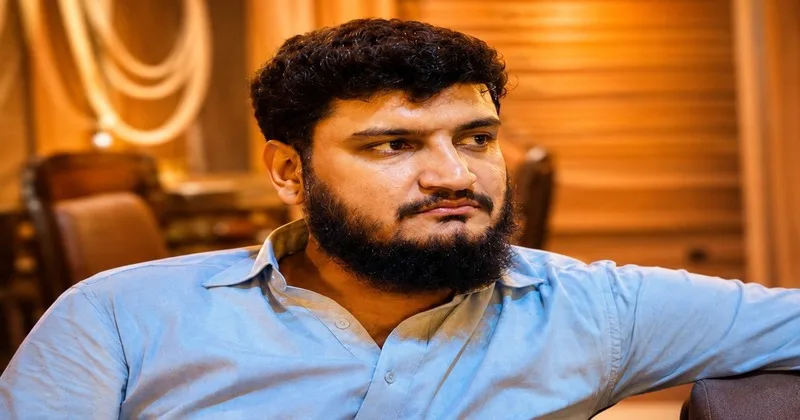
The reported sudden death of Adeel Aslam, described in recent reports as a social-media operative associated with Lashkar-e-Taiba (LeT), has brought renewed attention to the terror outfit’s propaganda and radicalisation network in Pakistan. Aslam reportedly died of a heart attack, while the circumstances surrounding the deaths of other senior LeT figures have also drawn scrutiny.
Who was Adeel Aslam?
Adeel Aslam has been identified in recent reports as a figure associated with LeT’s social-media and propaganda activities. According to reports, he was associated with the Students’ Department at the University of Engineering and Technology (UET), Lahore, and was linked to the university’s student publication Akhbar-e-Tulba.
Reports have alleged that Aslam was involved in promoting and disseminating radical and jihadist literature and content. His reported association with student circles is significant because extremist organisations have historically sought to exploit educational and social networks for ideological outreach and recruitment.
However, claims describing Aslam specifically as a Hafiz Saeed aide or as a person directly responsible for training young terrorists require independent corroboration. The available recent reporting establishes his reported association with LeT, but does not independently verify every claim about his precise position within the organisation.
From student circles to LeT’s digital propaganda
The allegations surrounding Aslam point towards a wider dimension of Lashkar-e-Taiba’s activities beyond its conventional militant infrastructure. Digital platforms, publications and ideological material can help extremist organisations spread propaganda, influence young audiences and create an environment conducive to radicalisation. Reports describing Aslam as a social-media operative therefore place him within an important component of LeT’s broader ecosystem.
A recent report identified him as a key social-media operative associated with the organisation and said he had been involved in digital communications and propaganda. His reported death on August 9 has now put that alleged network back under the spotlight.
Aslam reportedly died following a sudden heart attack. There is no established evidence in the available reporting that his death was caused by an external attack or was connected to the unexplained deaths of other LeT members.
That distinction is important because speculation surrounding the deaths of Pakistani terror operatives has grown in recent years. Without an official medical finding or independent investigation, the exact circumstances of Aslam’s death cannot be established beyond the reported account of a heart attack.
Another LeT commander dies in Islamabad
Aslam’s reported death came around the same time as the death of senior LeT commander Qari Saeed Abdul Aziz in Islamabad.
According to reports, Aziz had eaten at an unfamiliar restaurant before travelling to Quba Mosque. He reportedly collapsed near the mosque entrance and died shortly afterwards. The cause of death has not been publicly established, prompting speculation over the circumstances. Aziz was reportedly associated with a LeT department that provided financial and other assistance to families of terrorists killed during encounters in Jammu and Kashmir.
Reports have also linked Aziz to the planning of the 26/11 Mumbai terror attacks, although such claims should be attributed to the reporting and intelligence assessments on which they are based.
More than 30 LeT members reportedly killed
The deaths have also emerged amid renewed attention to claims made by senior LeT operative Rizwan Hanif, who reportedly said that more than 30 members of the banned organisation had been killed by unidentified individuals in Pakistan and Pakistan-occupied Kashmir over the past several years.
The reported killings have included members of the organisation in several Pakistani cities and parts of PoK. The identities of those responsible and the circumstances of individual incidents remain disputed or unclear.
Adeel Aslam’s reported profile is significant because it highlights the ideological and digital infrastructure that can operate alongside an extremist organisation’s militant activities.
If the reports about his role in LeT propaganda and radical literature are accurate, his activities would represent a part of the network focused not on carrying out attacks directly, but on shaping narratives, spreading extremist ideology and potentially influencing recruits. His sudden death, therefore, has drawn attention not simply because of who he was reportedly associated with, but because of the wider network surrounding Lashkar-e-Taiba in Pakistan.
At present, however, there is no verified evidence establishing that Aslam’s death was linked to the unexplained killings of other LeT operatives. The available information points to a reported heart attack, while questions about his precise organisational role and the circumstances of his death remain subject to further verification.