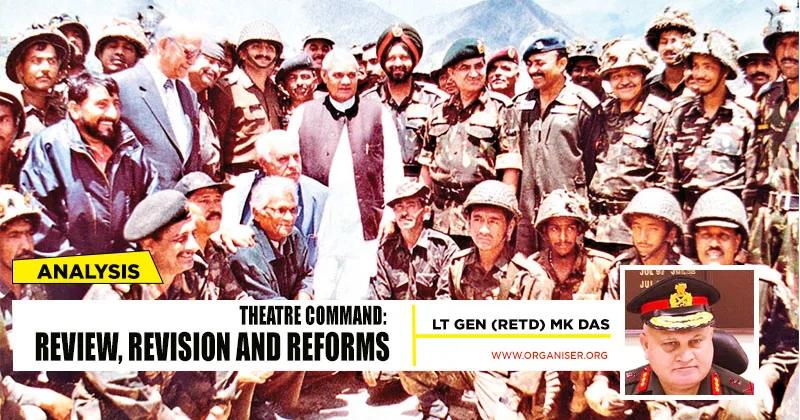
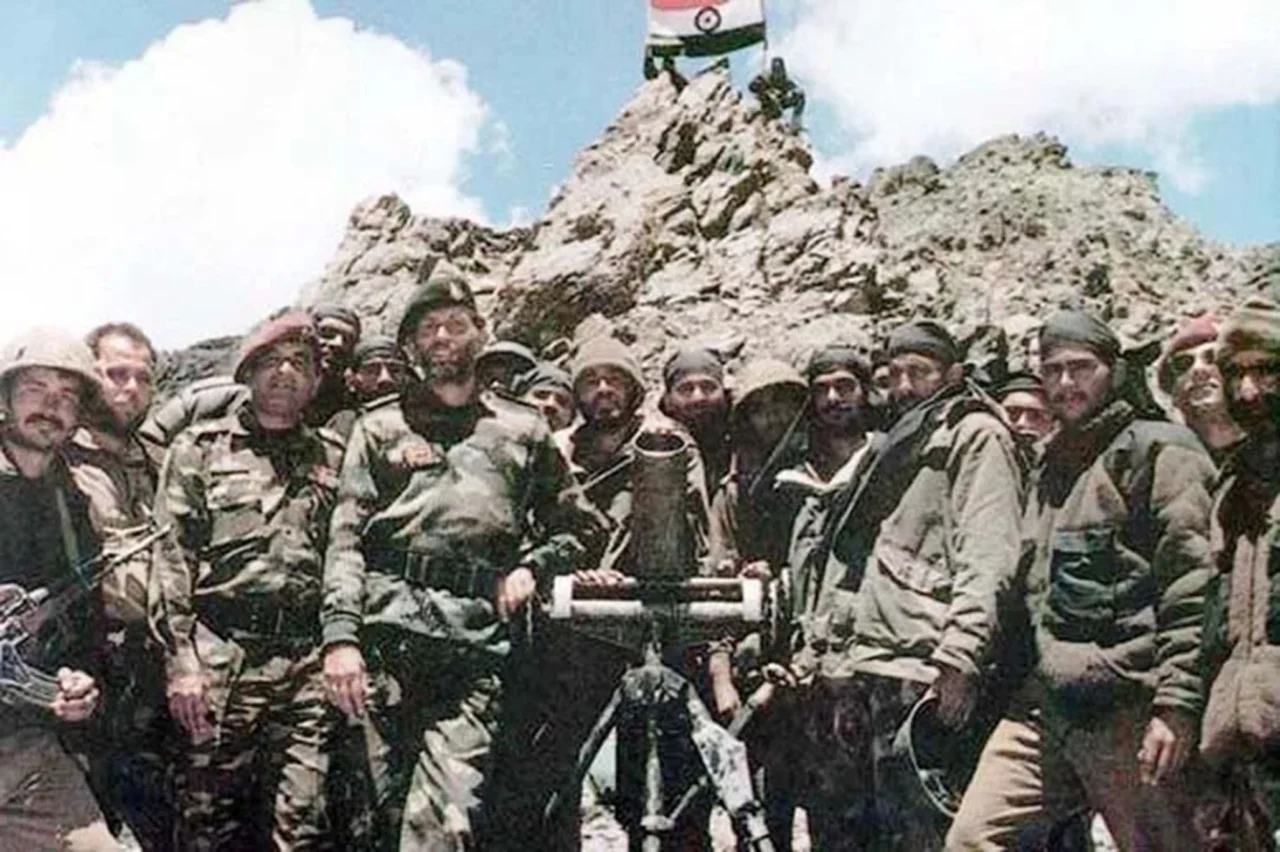
It is rare for a military victory to be celebrated but also reflected upon to carry out major reforms in India’s national security and defence management. India’s hard-fought victory over Pakistan in the Kargil War (May 3, 1999-July 26, 1999) is celebrated by the nation on July 26 every year as Kargil Vijay Diwas. But the NDA Government under PM Atal Behari Vajpayee then exhibited great foresight by setting up the Kargil Review Committee (KRC) in July 1999 itself to examine various aspects of national security, including intelligence coordination, defence procurement procedures, higher defence management, and joint military structures.
Operation Sindoor: Implementation of KRC Report
India’s outstanding military victory over Pakistan in Operation Sindoor in May last year can be attributed to the successful implementation of the KRC Report by the NDA governments under PM Vajpayee and PM Narendra Modi. My generation of military officers has witnessed the defence reforms being implemented on the ground during our service and takes pride in being part of a highly professional military.
Landmark Report: Defence Reforms
Chaired by strategic affairs expert K. Subramanyam, the KRC worked overtime and tabled its landmark report in the Parliament in February 2000. In many ways, the committee’s recommendations laid the path of defence reforms that have made the Indian Armed Forces a modern, combat-ready military force today. The KRC had made a total of 75 recommendations in Chapter VI of the report titled ‘Management of Defence’. The follow-up of the reforms was monitored by a Group of Ministers (GoM) on national security. Most of the recommendations have been implemented as of now, except for the creation of Integrated Theatre Commands. A lot of ground has also been covered in establishing Integrated Theatre Commands, and it should also see the light of day soon.
It was to the credit of the then Vajpayee Government (1999-2004) that a serious study of national security challenges was carried out by an expert team of professionals and made public on the floor of the Parliament. The Vajpayee Government quickly established the HQ Integrated Defence Staff in October 2001 for joint planning, training, and intelligence sharing among the Indian Army, Indian Navy, and Indian Air Force. The Government also established India’s first tri-service theatre command called Andaman and Nicobar Command (ANC) on October 8, 2001. It was followed up by creating the Defence Intelligence Agency (DIA) in March 2002 to strengthen the joint intelligence apparatus. The National Security Council (NSC) created earlier by PM Vajpayee, further refined its functioning and had a full-time National Security Advisor (NSA) in Brajesh Mishra. In short, PM Vajpayee laid the foundation for long-term multi-dimensional reforms in the national security architecture.
UPA Govt Slowed Kargil Reforms
Under PM Manmohan Singh-led UPA Government from 2004-2014, the Kargil reform agenda slowed down and was only partially implemented. The most notable reform was the creation of the National Technical Research Organisation (NTRO) in October 2004 to strengthen technical surveillance. India lost nearly one decade of critical reforms during this period, particularly when China made major strides in modernising and reforming its military. Pakistan too grew up militarily and continued to bleed India through the acts of terrorism in Jammu & Kashmir and rest of India. As a result, India lacked the national resolve to teach Pakistan a lesson even after the 26/11 Mumbai terror attacks in November 2008. India continued to fight Pakistan through dossier diplomacy but did not achieve much. National Investigation Agency (NIA) was established in 2009 and regional hubs of the NSG were also created thereafter. I distinctly remember the new NSG hubs because I carried out postings of the officer cadre during that period. Thus, PM Manmohan Singh government’s record in implementing the KRC recommendations is best described as incremental and cautious.
Kargil Review Committee Recommendations
The Kargil Review Committee proposed comprehensive reforms in intelligence, defence management and national security decision making to prevent recurrence of similar crises.
National security review:
Recommended a complete review of the national security system to improve decision making, coordination and response mechanisms at strategic and operational levels.
- Intelligence reforms: Suggested strengthening intelligence collection, improving inter agency coordination and integrating tactical and strategic intelligence for better threat anticipation
and response. - Defence management restructuring: Called for better integration between the Ministry of Defence and Service Headquarters to ensure efficient communication and unified military planning.
- Chief of Defence Staff proposal: Recommended creation of the Chief of Defence Staff (CDS) post to ensure jointness among Army, Navy and Air Force and improve unified military command.
- Border management improvements: Emphasised use of advanced surveillance technologies, including satellites and UAVs, to monitor inaccessible and high altitude border areas effectively.
- Counter terrorism strategy: Suggested proactive policies to address militancy in Jammu and Kashmir and prevent cross border infiltration through coordinated military and political measures.
- Joint command structure: Recommended establishing unified command systems to address coordination issues between Army, paramilitary forces and civil authorities in conflict regions.
- Defence modernisation: Highlighted need to improve conventional military superiority beyond the existing
ratio of 1.37:1 and modernise equipment, logistics and operational capabilities. - Media and information management: Called for structured communication systems to avoid misinformation and speculation during crises by ensuring timely dissemination of accurate information.
After coming to power in May 2014, PM Narendra Modi quickly grasped the essentials of national security. He realised that India had become one of the largest defence importer in the world, with no clear roadmap for self-reliance. He gave the mantra of Atmanirbhar in Defence and broke the deadlocks of the earlier UPA government era. The focus was on changing the entire ecosystem of defence production. Towards this, FDI was raised to 49% through automatic route and 100% in some sectors. The private industry was encouraged in the defence sector through good incentives. As a result, India’s defence exports grew significantly under Modi 1.0 government. In order to give impetus to the indigenisation, the government even took steps to list defence items like guns, tanks, ships and radars which could not be imported any more.
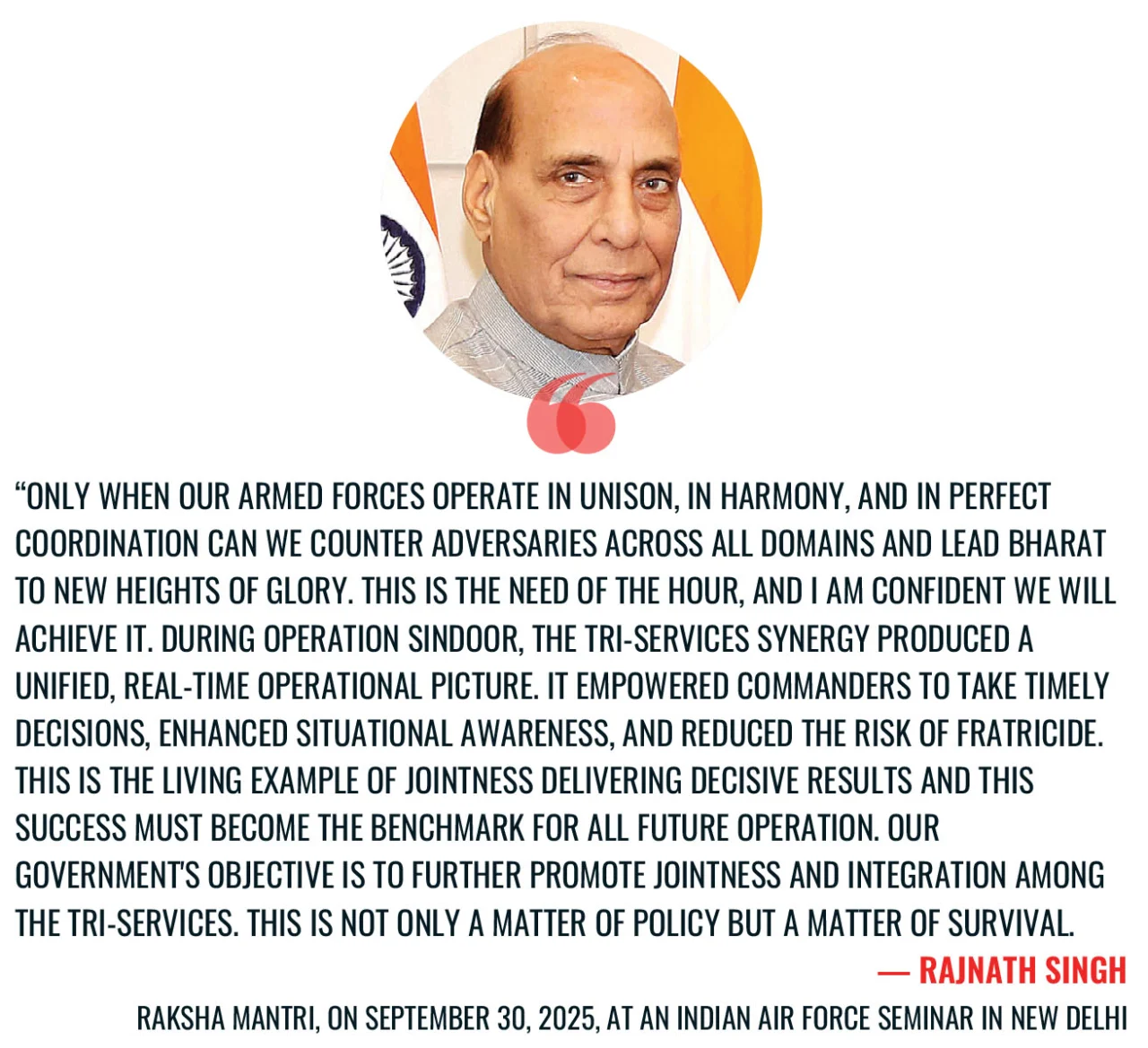
But it was Manohar Parrikar as the Defence Minister (November 2014 to March 2017) who laid the foundation for a Make in India in defence, aimed at transparency, speed and self-reliance through Defence Procurement Procedure (DPP-2016). The new policy created a new category called Indigenously Designed, Developed and Manufactured (IDDM) in which at least 40% of a product must be manufactured in India to qualify for IDDM. Besides this, he cleared fast track acquisition for critical defence equipment. For example, our Special Forces were equipped with world class military equipment through this route. As a result, our Special Forces successfully carried out Uri Surgical Strike on 29 September 2016. India also had the military muscle to carry out Balakot air strike deep inside Pakistan in 2019, as retribution to Pulwama terror attack. Thus, DPP-2016 was the first major attempt to align defence procurement with Make in India. Today India has a streamlined defence procurement procedure under Defence Procurement Manual (DPM-2025) for spares and maintenance. For the acquisition of all the major military hardware, there is a Defence Acquisition Procedure (DAP-2020).
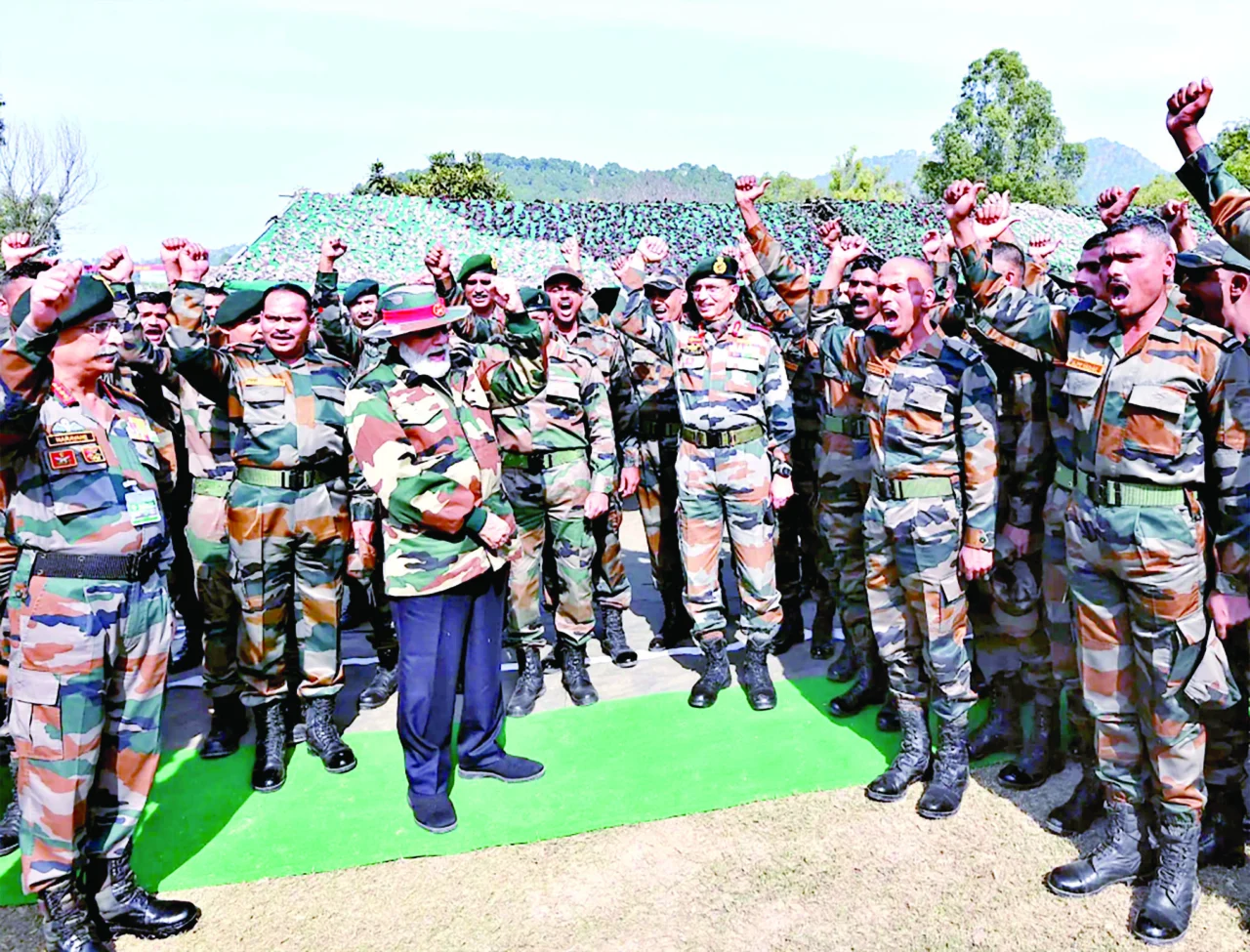
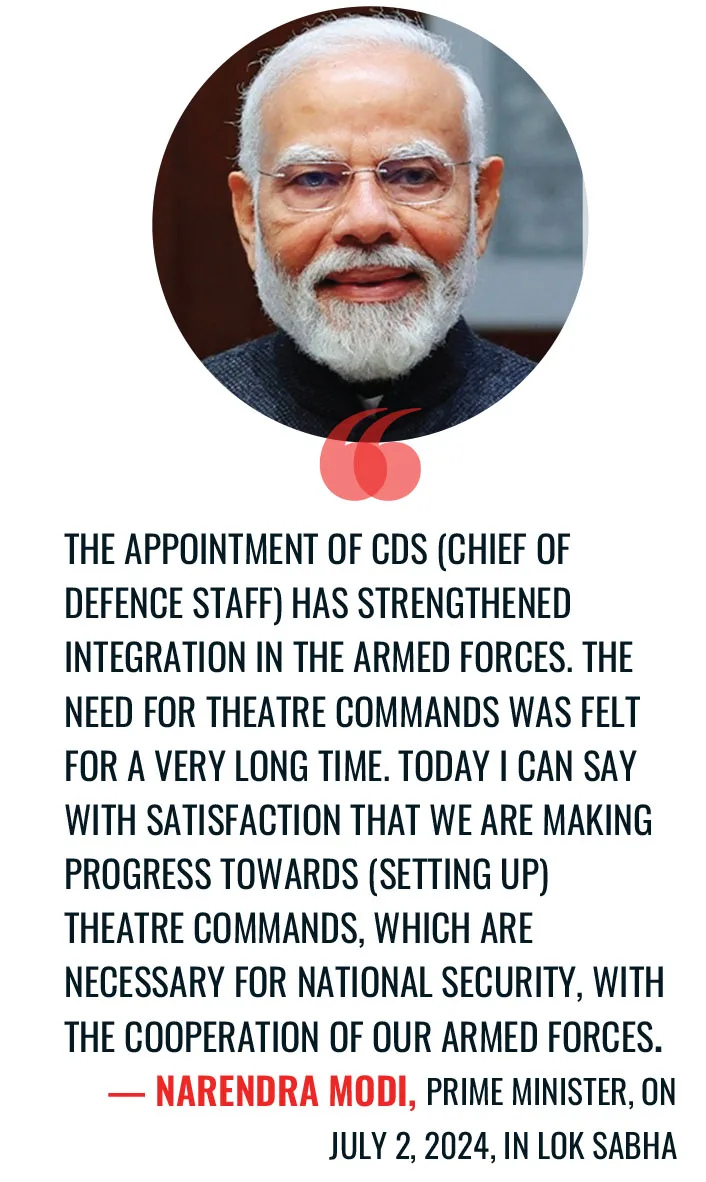
But it is under Modi 2.0 government (2019-2024) that the defence reforms took major shape into deliverables, with focus on jointness, self-reliance and restructuring. The most important was creating the Chief of Defence Staff (CDS) in January 2020 and appointing General Bipin Rawat as the first CDS. The CDS is the single point advisor to the Defence Minister and Prime Minister of India on tri-service matters. In addition, Department of Military Affairs (DMA) was created specifically to function under the CDS. The charter under the DMA looks at tri-service procurement, joint training, HR matters, veteran welfare to name a few. PM Modi shrugged the opposition by the bureaucrats to empower the DMA with so much responsibility and gave the CDS enough elbow room to transform the armed forces. Even we in the Army Headquarters in 2020 were pleasantly surprised to see such a major reform, well beyond our expectations.
In the last six years, the office of the CDS and the DMA are now fully capable of discharging their responsibilities. HQ IDS is much better integrated now and is carrying out joint structures in the form of joint planning, joint procurement and joint training to fight future wars. Three tri-service agencies, namely Defence Cyber Agency, Defence Space Agency and Special Operations Division have been raised since then. PM Modi took another bold step to corporatise Defence Public Sector Undertakings (DPSU) in October 2021 to make them competitive and professionally managed. Since then, all these new-look DPSUs have been producing better military hardware for the armed forces and are also focusing on defence exports. The Modi 2.0 Government accelerated self-reliance in defence and even earmarked 75 per cent of the capital acquisition (major military hardware) budget for the domestic defence industry. The Modi Government also launched the Agnipath Scheme of recruitment in June 2022 to bring younger, tech-enabled profiles into the Armed Forces.Under Modi 3.0 Government (2024 onwards), the defence reforms as envisioned by the KRC have taken definitive shape and contour. India has entered into strategic partnerships with all the major powers, including the US, Russia, France, the UK, Germany, and Japan, and recently with Indonesia, the Philippines, Australia, and New Zealand. India is a major maritime power in the Indo-Pacific and a member of the Quad. With the defence reforms now in place, India is much better prepared militarily to face new and emerging security challenges. Our defence exports have already hit a record Rs 38,424 crores in 2025-26, and our BrahMos supersonic cruise missile is being sought by many countries. I can say with confidence that our defence reforms have now reached the desired level of jointness, indigenisation, timely procurement, and technological advancement to create Integrated Theatre Commands.
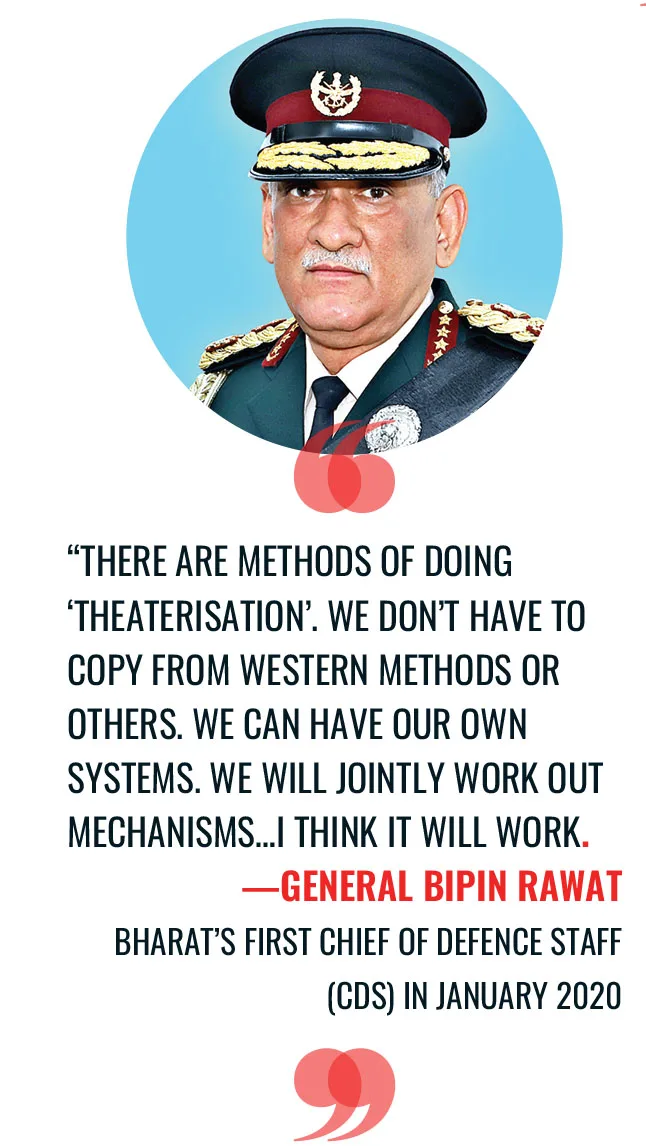
The blueprint for creating the theatre commands is ready, and the plans have been submitted to the Raksha Mantri for consideration. The creation of the theatre commands is now the most challenging and much-awaited defence reform of the KRC. I can understand the dilemma of the political leadership under PM Modi. The world is in turmoil, and the security challenges around India are immense. A major restructuring like creating the theatre commands requires a stable security environment and predictability of threats. So, the rollout may happen soon, with full operationalisation likely to take another 2-3 years. The experience of Operation Sindoor last year would have shaped the opinion and decision of the Modi Government and the Indian Armed Forces.
Even the US took nearly two decades to fully operationalise the existing 9 Unified Combatant Commands (from the early 1980s to the beginning of the 21st century). India is starting from 17 single-service commands and has to merge them into 3 joint Theatre Commands. But the Modi Government has largely fulfilled the spirit of the KRC recommendations. As a result, India ranks third among major powers in the Asia Power Index 2025 (Lowy Institute), after the US and China. Today, the Indian Armed Forces are a technologically advanced, combat-ready force, capable of multi-domain integrated operations along the land, air and maritime borders, as also ready to secure India’s global interests. I join a grateful nation in paying my homage and salutations to the Fallen Heroes and the Bravehearts of the Kargil War.