When the Digital India programme was launched in 2015, its ambition went far beyond expanding internet access or digitising government services. The larger vision was to ensure that technology became a catalyst for economic empowerment, social inclusion and grassroots development. Eleven years later, one of the most striking examples of that vision can be seen not in India’s major cities but in its villages, small towns and rural communities.
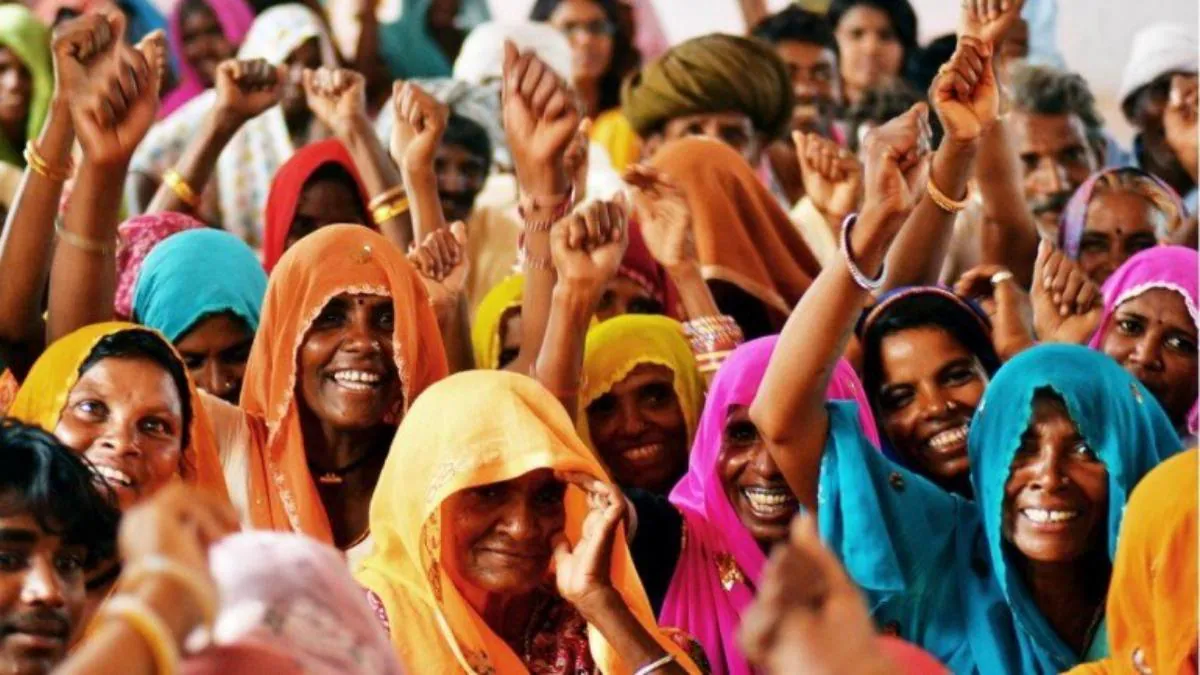
Across the country, millions of women associated with Self-Help Groups (SHGs) are using digital platforms to market products, reach new customers and generate sustainable incomes. At the centre of this transformation is eSaras, a government-backed digital commerce platform that is creating direct links between rural producers and consumers across India.
Developed by the Digital India Corporation under the Ministry of Electronics and Information Technology in collaboration with the Ministry of Rural Development, eSaras functions under the Deendayal Antyodaya Yojana–National Rural Livelihoods Mission (DAY-NRLM). The platform combines Digital Public Infrastructure with rural entrepreneurship, enabling women-led enterprises and producer collectives to participate in the country’s expanding digital economy.
Bringing rural products to national markets
eSaras was created as a comprehensive digital marketplace designed specifically for rural entrepreneurs. The platform enables Self-Help Groups, women entrepreneurs, Farmer Producer Organisations (FPOs) and producer collectives to showcase and sell their products directly to customers across the country.
For decades, rural producers largely depended on local traders, intermediaries, exhibitions and seasonal fairs to market their products. While these channels provided some opportunities, they often restricted market reach and reduced profit margins. eSaras seeks to overcome these limitations by providing an online platform where producers can directly connect with consumers.
The marketplace supports the entire digital commerce process, including seller registration, product listing, inventory management, payments, logistics and customer engagement. In many ways, it serves as a digital storefront for rural India, allowing small producers to access markets that were previously beyond their reach.
A platform operating at massive scale
The scale of the eSaras ecosystem reflects the growing role of digital commerce in rural development. The initiative today covers more than 8.99 crore registered Self-Help Group members, making it one of the largest women-led livelihood ecosystems in the world.
More than 1,400 products are currently listed on the platform, ranging from traditional food products and handicrafts to textiles and personal care items. Through integration with the Open Network for Digital Commerce (ONDC), rural entrepreneurs are able to access a much larger customer base. More than 800 buyers currently access SHG products through ONDC-enabled buyer applications, while products are available across over 11 buyer applications connected to the network.
The ecosystem extends beyond online commerce. More than 50 SARAS Melas are organised every year, providing additional opportunities for rural entrepreneurs to showcase products, interact with customers and expand their businesses. Together, these physical and digital channels are helping create a year-round marketplace for rural producers.
Women at centre of the transformation
One of the most significant aspects of eSaras is its focus on women-led entrepreneurship. Over the years, DAY-NRLM has organised millions of rural women into Self-Help Groups, providing access to finance, skills and livelihood opportunities. However, market access remained a major challenge for many of these groups.
Producing quality goods is only one part of running a successful enterprise. Accessing customers, expanding into new markets and obtaining fair prices are equally important. eSaras addresses these challenges by enabling women entrepreneurs to directly interact with consumers rather than relying solely on intermediaries.
This shift has significant economic implications. By reducing dependence on middlemen, producers are able to retain a larger share of their earnings. They gain greater control over pricing, branding and customer relationships. For many women, this translates into improved incomes, enhanced financial independence and a stronger role in household and community decision-making.
As more women become digitally connected entrepreneurs, they are increasingly emerging as active participants in India’s digital economy rather than remaining confined to local markets.
Supporting the Lakhpati Didi vision
The Government of India has set an ambitious target of creating six crore Lakhpati Didis by 2029. The initiative aims to ensure that women associated with Self-Help Groups earn at least ₹1 lakh annually through sustainable livelihood activities.
Achieving this objective requires more than access to credit and training. It requires reliable market opportunities that can generate consistent income. eSaras is increasingly being viewed as an important enabler of this vision.
Through the platform, a handicraft producer in Rajasthan, a pickle maker in Bihar or a honey producer in Uttarakhand can sell products to customers located hundreds or even thousands of kilometres away. Such access to larger markets significantly improves income-generation opportunities and helps women-led enterprises scale their businesses beyond local demand.
Creating income beyond agriculture
Agriculture continues to be the primary source of livelihood for millions of rural households. However, agricultural earnings are often seasonal and vulnerable to fluctuations in weather, production levels and market prices.
eSaras is helping address this challenge by encouraging livelihood diversification. The platform promotes a wide range of products and enterprises beyond traditional farming activities. Rural entrepreneurs are increasingly engaged in food processing, handicrafts, handloom production, dairy products, honey processing, herbal products, personal care items and home décor manufacturing.
This diversification creates additional income streams throughout the year and reduces dependence on seasonal agricultural earnings. For rural families, it offers greater financial stability and resilience.
A major objective of eSaras is to help rural producers move beyond selling raw materials and instead create value-added products. Traditionally, many rural communities sold agricultural produce in its raw form, often earning limited returns.
The platform encourages Self-Help Groups to process, package and brand products before bringing them to market. Agricultural produce is being transformed into pickles, papad, chips, jams, squashes, candies, packaged spices, processed pulses and bottled honey. Through processing and branding, rural entrepreneurs are able to command better prices and improve profitability.
This approach not only increases incomes but also strengthens local value chains by generating employment in packaging, transportation, marketing and product development. In effect, villages are becoming centres of enterprise rather than merely production hubs.
Building digital entrepreneurship skills
Technology alone cannot transform livelihoods without adequate skills and training. Recognising this, DAY-NRLM has placed significant emphasis on capacity building for women entrepreneurs associated with eSaras.
Training programmes cover various aspects of digital commerce, including onboarding to digital platforms, product cataloguing, branding, packaging, product photography, digital marketing, inventory management, customer service, financial literacy and logistics management.
These efforts are helping rural women acquire the skills necessary to independently operate online businesses. By combining digital infrastructure with capacity building, eSaras is nurturing a new generation of entrepreneurs who are increasingly comfortable navigating digital marketplaces and engaging with customers across India.
One of the most distinctive features of eSaras is the diversity of products available on the platform. The marketplace reflects the cultural, agricultural and artisanal richness of rural India.
Consumers can access a wide range of products, including pickles, papad, spices, millet-based foods, honey, herbal products, bamboo crafts, terracotta items, wooden handicrafts, handloom sarees, shawls, cotton garments, home décor products, dairy products, ghee and woollen goods. Products linked to animal husbandry and allied livelihood activities are also finding new markets through the platform.
By creating visibility for these products, eSaras is helping preserve traditional skills and local crafts while generating economic opportunities for rural communities.
Digital public infrastructure driving inclusion
The success of eSaras is closely linked to India’s broader Digital Public Infrastructure ecosystem. The platform integrates several government-backed digital services to create a seamless and inclusive experience for sellers and buyers.
Seller verification through LokOS enhances transparency and trust. Integration with ONDC expands market access, while secure digital payment systems facilitate smooth financial transactions. Logistics partnerships help ensure nationwide product delivery, and integration with UMANG improves accessibility.
The platform also leverages BHASHINI to provide multilingual access, helping users engage with services in their preferred languages. Accessibility features such as text-to-speech support, adjustable text sizes and visual accessibility options make the platform easier to use for senior citizens and persons with disabilities.
Together, these technologies demonstrate how Digital Public Infrastructure can be used to create meaningful economic opportunities at the grassroots level.
The impact of eSaras is perhaps best illustrated through the experience of the Falak Self-Help Group from Khurja in Uttar Pradesh, a region known for its GI-tagged pottery.
Before joining the platform, the group largely depended on local markets, exhibitions and fairs to sell its handcrafted pottery products. Market reach remained limited despite the quality and heritage value of the products.
Over the past three-and-a-half years, eSaras has enabled the group to access customers across India. Improved logistics support has helped overcome the challenge of transporting fragile pottery items, while the digital marketplace has significantly expanded its customer base.
The success of the group demonstrates how digital commerce can simultaneously support livelihoods and preserve traditional crafts by connecting artisans with national markets.
Since the launch of its web portal in October 2022 and mobile application in June 2023, eSaras has steadily expanded through integration with ONDC, logistics partners, digital payment systems, seller verification mechanisms, analytics tools and multilingual services.
As Digital India enters its second decade, eSaras is increasingly emerging as a model for inclusive digital growth. The platform demonstrates how technology can be used not only for urban innovation but also for addressing grassroots economic challenges.
By connecting millions of rural women with national markets, supporting value addition, strengthening entrepreneurial skills and preserving traditional crafts, eSaras is helping build a digitally connected and economically empowered rural India. The initiative stands as a powerful example of how Digital Public Infrastructure can translate into real livelihood opportunities and sustainable development for communities across the country.