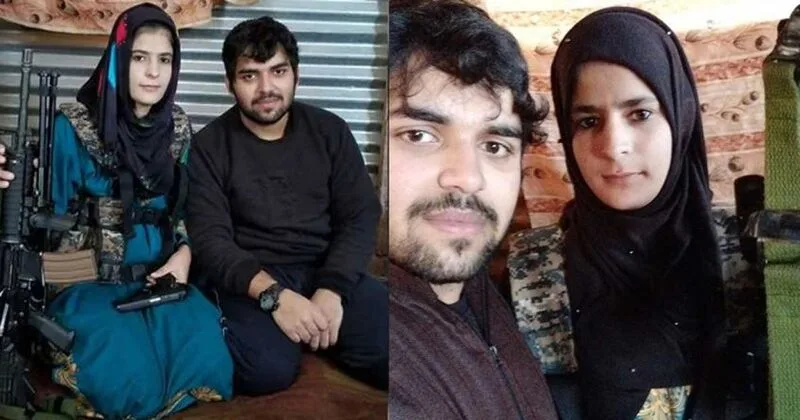
JAMMU: Insha Jan was an important clog in the conspiracy that led to Pulwama blast of February 14, 2019, over seven years ago. According to the National Investigation Agency (NIA), Insha, along with her father Peer Tariq Ahmad Shah, gave shelter to Jaish-e-Mohammad (JeM) terrorists at their house and provided food and other logistical support. The agency has alleged that Pakistani terrorists Muhammad Umar Farooq and Mohd Kamran Ali came to their house in June 2018 and that JeM terrorists thereafter began visiting the house regularly with arms and ammunition.
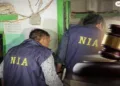
The NIA had arrested Tariq Ahmed Shah and his daughter Insha Jan after the investigation led to their house in Pulwama in December 2020, almost two years after the heinous crime. They were caught when the NIA sleuths pieced together all evidence pertaining to suspects and one thing led to other. By that time, almost all leads regarding the suicide attack on a CRPF convoy seemed to have dried up.
She was found to have played a key role of facilitator for many actions of the JeM group which led to Adil Ahmad Dar becoming a suicide bomber on that fateful day.
Medical problems cited as grounds for bail
Some days ago, she tried to get bail on medical grounds with her lawyers pleading that she has occasional severe headache, back pain and some other complications. However, a special NIA court rejected the bail application of Insha Jan (alias Insha Tariq), saying that none of her medical problems were life threatening or serious as to warrant her release.
The court said that the material on record prima facie indicates her alleged involvement in furtherance of a conspiracy for unlawful activities and that her release at this stage could carry the risk of influencing key prosecution witnesses. Her case came before Special Judge NIA Cases, Jammu, Prem Sagar, who dismissed the bail application. He pointed out that the trial was already underway and witnesses were being examined. The court said the prosecution material relied upon against the accused still required corroboration from other relevant witnesses yet to be examined.
Insha Jan is facing trial in RC No. 02-2019/NIA/JMU for offences under various provisions of the Ranbir Penal Code (RPC), Arms Act, Unlawful Activities (Prevention) Act and Explosive Substances Act. She had sought bail on the grounds of long incarceration, delay in trial and her ailments. The order records that she has remained in custody for more than six years and that charges were framed against her on December 10, 2022.
Father-daughter duo helped terrorists logistically
According to the NIA, Insha and her father sheltered JeM terrorists at their house, gave them food and all other requisite logistical support. Two Pakistani terrorists named Muhammad Umar Farooq and Mohd Kamran Ali started living with them at their house from June 2018 onwards.
The prosecution further alleged that in January 2019, Muhammad Umar Farooq, Adil Ahmad Dar and Sameer Ahmad Dar stayed at the house and that on January 28 and 29, the video of suicide bomber Adil Ahmad Dar was recorded in the house. Insha Jan was present at the house when the video was recorded. She thus apparently knew what was about to happen.
The agency also found WhatsApp calls between a mobile number used by the accused and Muhammad Umar Farooq’s Pakistani number. It claimed that Insha Jan’s number was found saved in Farooq’s phone and that several voice notes and photographs of her were recovered from data extracted from his mobile phone.
NIA Inspector Arun Sharma opposed her bail plea saying that the accused was not entitled to bail in view of the charges and the material collected during investigation. The prosecution also argued that the delay in trial by itself could not be treated as sufficient ground for bail in a case involving grave offences.
The defence, led by Advocate Yogesh Bakshi, argued that prolonged incarceration had seriously affected the applicant’s health. He said that she was suffering from chronic dermatological problems, cervical related pain and chronic headache.
K S Pathania, SPP, along with Chandan Kumar Singh and Ashwani Verma, Public Prosecutors, appeared on behalf of the NIA and opposed the application.
No life threatening conditions, hence no urgency
The court found that the medical condition placed before it was not life-threatening so as to warrant urgent release. It further held that the accused was facing serious offences falling under Chapters IV and VI of the UAPA and that sufficient material existed at this stage to regard the accusations as prima facie true.
The court said that trial was progressing and witnesses were being examined on dates fixed, barring certain occasions. It held that delay, in the circumstances of the case, could not by itself override the prima facie material relied upon by the prosecution or justify release under the special enactment.
Rejecting the bail application, the court clarified that its observations were confined only to deciding the bail plea and would have no bearing on the merits of the main trial.
The court directed the Superintendent of District Jail Baramulla to provide all necessary medical care to Insha. The official was also directed to submit a compliance report before the court every fortnight. The application was accordingly disposed of.