Namaste: The timeless Indian greeting of respect and harmony
August 20, 2026
  • Read Ecopy
  • Circulation
  • Advertise
  • Careers
  • About Us
  • Contact Us
Android AppiPhone AppArattai
Organiser
  • ‌
  • Bharat
    • Assam
    • Bihar
    • Chhattisgarh
    • Jharkhand
    • Maharashtra
    • View All States
  • World
    • Asia
    • Europe
    • North America
    • South America
    • Africa
    • Australia
  • Editorial
  • International
  • Opinion
  • RSS @ 100
  • More
    • Op Sindoor
    • Analysis
    • Sports
    • Defence
    • Politics
    • Business
    • Economy
    • Culture
    • Special Report
    • Sci & Tech
    • Entertainment
    • G20
    • Azadi Ka Amrit Mahotsav
    • Vocal4Local
    • Web Stories
    • Education
    • Employment
    • Books
    • Interviews
    • Travel
    • Law
    • Health
    • Obituary
  • Subscribe
    • Subscribe Print Edition
    • Subscribe Ecopy
    • Read Ecopy
  • ‌
  • Bharat
    • Assam
    • Bihar
    • Chhattisgarh
    • Jharkhand
    • Maharashtra
    • View All States
  • World
    • Asia
    • Europe
    • North America
    • South America
    • Africa
    • Australia
  • Editorial
  • International
  • Opinion
  • RSS @ 100
  • More
    • Op Sindoor
    • Analysis
    • Sports
    • Defence
    • Politics
    • Business
    • Economy
    • Culture
    • Special Report
    • Sci & Tech
    • Entertainment
    • G20
    • Azadi Ka Amrit Mahotsav
    • Vocal4Local
    • Web Stories
    • Education
    • Employment
    • Books
    • Interviews
    • Travel
    • Law
    • Health
    • Obituary
  • Subscribe
    • Subscribe Print Edition
    • Subscribe Ecopy
    • Read Ecopy
Organiser
  • Home
  • Bharat
  • World
  • Operation Sindoor
  • Editorial
  • Analysis
  • Opinion
  • Culture
  • Defence
  • International Edition
  • RSS @ 100
  • Magazine
  • Read Ecopy
Home Bharat

The Art of Namaste: Exploring the ancient Indian greeting that symbolises respect, humility & human connection

Namaste is more than a traditional Indian greeting, it is a timeless expression of respect, humility, and human connection rooted in ancient Sanskrit wisdom. With folded hands and a gentle bow, this simple gesture embodies India's enduring values of harmony, gratitude, and mutual respect

Nandini NairNandini Nair
Jul 11, 2026, 12:00 pm IST
inBharat, Culture
Follow on Google News
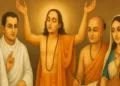
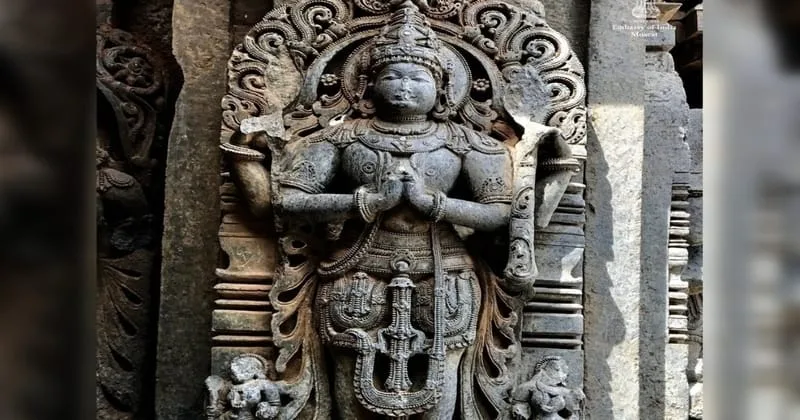
Namaste is a timeless Indian greeting that symbolises respect, humility, and harmony

Namaste is a timeless Indian greeting that symbolises respect, humility, and harmony

Facebook
Twitter
WhatsAppTelegramEmail

In a world where greetings often become routine, the Indian tradition of Namaste stands apart as a timeless expression of respect, humility, and human connection. More than a customary greeting, Namaste is a reflection of India’s rich cultural heritage and spiritual philosophy, reminding us that every interaction begins with dignity and mutual respect.

'The Art of Namaste'

A simple gesture with a profound meaning.

Namaste, derived from the Sanskrit words "namah" (to bow) and "te" (to you), is a traditional Indian greeting that conveys respect, gratitude, and humility. Accompanied by folded hands, it reflects the belief in… pic.twitter.com/xTsFH7WHD6

— India in Oman (Embassy of India, Muscat) (@Indemb_Muscat) July 5, 2026

What Does Namaste Mean?

The word Namaste is derived from two Sanskrit words: “namah,” meaning to bow, and “te,” meaning to you. Together, the phrase translates to “I bow to you.” However, its deeper meaning goes beyond a physical gesture. It symbolises the recognition of the divine essence or inner light present in every individual. When someone says “Namaste,” they are not merely greeting another person; they are acknowledging their inherent worth, humanity, and spiritual presence.

Namaste is traditionally accompanied by the Anjali Mudra, where both palms are joined together in front of the chest with a slight bow of the head. This simple gesture carries profound symbolism:
The joining of the palms represents unity and harmony.

The slight bow expresses humility and respect.
The position near the heart signifies sincerity and compassion.
Unlike greetings that involve physical contact, Namaste conveys warmth and goodwill while respecting personal space, making it universally appropriate.

For centuries, Namaste has been an integral part of Indian traditions, practised across homes, temples, schools, and public life. It is used to welcome guests, greet elders, express gratitude, seek blessings, and bid farewell.

Indian philosophy teaches that every individual deserves respect regardless of age, status, or background. Namaste beautifully embodies this belief by placing equality and mutual respect at the heart of every interaction.

Also Read: Pahalgam Terror Attack: Mohammed Sanoof arrested at Kozhikode airport in case linked to pro-terror Instagram post

Many Indian philosophical traditions interpret Namaste as: “The divine in me bows to the divine in you.”
This understanding reflects the idea that all human beings share a common spiritual essence. By recognising this shared divinity, Namaste encourages compassion, empathy, and peaceful coexistence.
It serves as a reminder that respect should extend beyond social conventions and become a way of life.

The significance of Namaste gained renewed global recognition during the COVID-19 pandemic, when contact-free greetings became preferable to handshakes and hugs. Leaders, diplomats, healthcare professionals, and people around the world adopted Namaste as a safe, respectful, and elegant alternative. Its widespread acceptance highlighted how an ancient Indian tradition remains relevant in addressing modern challenges.

Beyond Words

Namaste is not simply spoken—it is practised through attitude and conduct. The gesture teaches values that remain timeless:
-Respect for every individual
-Humility in human relationships
-Gratitude and kindness
-Peaceful coexistence
-Harmony despite differences
These principles transcend language, religion, and nationality, making Namaste a universal symbol of goodwill.

In today’s fast-paced world, where meaningful human connections are often overlooked, Namaste reminds us that even the simplest gestures can carry extraordinary significance. It reflects the enduring Indian ideals of courtesy, compassion, and mutual respect while encouraging people to approach one another with sincerity and humility.

More than just a greeting, Namaste is a philosophy of life, one that celebrates the dignity within every person and reminds us that genuine respect is the foundation of lasting relationships. As cultures continue to interact and evolve, the timeless art of Namaste remains a powerful symbol of unity, peace, and shared humanity.

 

Topics: spiritualityIndian cultureCultural HeritageNamasteAnjali MudraRespectSanskritIndian traditions
Nandini Nair
Nandini Nair
Nandini Nair is a Subeditor-cum-Content Manager at Organiser Digital with more than 3.5 years of experience covering international, national, cultural and current affairs. Also tracks and develops impactful stories emerging from social media discourse, delivering engaging digital reporting [Read more]
Share
Tweet
SendShareSend
✮ Subscribe Organiser YouTube Channel. ✮
✮ Join Organiser's WhatsApp channel for Nationalist views beyond the news. ✮
Previous News

Sardar Patel united not only territories but also hearts of Indians: VP Radhakrishnan in virtual address at IIAS Shimla

Next News

Ayodhya Ram Mandir: All construction to conclude by July 30; Storyline for Ram Katha Sangrahalay finalised

Related News

India’s journey from Swadhinta to Swatantrata begins with decolonising minds and embracing Bharatiya values (This image is generated by AI)

Decolonising the Mind: How citizens can embrace Bharatiya languages, traditions & values to realise absolute freedom

Bharat’s journey from ancient prosperity to colonial exploitation was marked by political upheaval, social disruption and economic decline (This image is generated by AI)

Bharat’s Historical Journey: Ancient prosperity, colonial exploitation and social disruption

India is stepping up diplomatic efforts to bring the 11th-century Maa Vagdevi statue, associated with Bhojshala, back from London

Will Maa Vagdevi Return to Bhojshala from London? India steps up diplomatic efforts at BRICS meeting

Hindu Samaj have long strengthened social unity, and reviving their spirit can help Hindu society face today’s challenges together

World Hindu Congress 2026: Reviving the spirit of samaj to rebuild Hindu unity and social strength

India’s diverse puppet traditions continue to preserve ancient epics and folk stories through strings, shadows and craftsmanship

From Strings to Shadows: How India’s traditional puppeteers continue the centuries-old art of storytelling

Rajabhoj Memorial Lecture Series Committee, Dhar, hosted a lecture on “Bhojshala: India’s Cultural Renaissance” at Milan Mahal

Rajabhoj Memorial Lecture Series: Bhojshala -A powerful symbol of India’s cultural renaissance

Load More

Latest News

PM POSHAN Model: Serving nutrition, strengthening the nation and the roadmap for inclusive governance

They Stole the Indian Saree! Western fast-fashion label JW PEI slammed for cultural extraction & heritage rebranding

Six arrested for Blackbuck hunting in Bidar

Hunting of protected Bidar Blackbuck In Karnataka: Shoaib Malik, Abdul Sayeed among six arrested

From Bihar’s ponds to Global shelves: How India turned Makhana into a Rs 12,000 crore superfood powerhouse

Anti-Hindu Hate in North America: Why rightful expression of culture & dharma is picturised as political extremism?

Jadavpur University: Left and ABVP students face-off during union meeting, two ABVP members injured

Representative Image- Indian Railways

Madhya Pradesh: Gwalior-Chambal’s rail network expands; Birpur now connected by train

A repesentative image

India’s coconut sector powers 30 million livelihoods as exports Rise 62 percent to Rs 7038 Cr, govt pushes productivity

Who gave Abhijeet Dipke the right to inspect government Schools? Questions mount over CJP’s ‘School Thik Karo’ drive

(Left) Punjab CM Bhagwat Mann (Right) AAP Leader Arvind Kejriwal

Media Censorship in Punjab: Bhagwant Mann-led AAP Govt imposes censorship on free press, targets journalists

Load More
  • Privacy
  • Terms
  • Cookie Policy
  • Refund and Cancellation
  • Delivery and Shipping

© Bharat Prakashan (Delhi) Limited.
Tech-enabled by Ananthapuri Technologies

  • Home
  • Search Organiser
  • Bharat
    • Assam
    • Bihar
    • Chhattisgarh
    • Jharkhand
    • Maharashtra
    • View All States
  • World
    • Asia
    • Africa
    • North America
    • South America
    • Europe
    • Australia
  • Editorial
  • Operation Sindoor
  • Opinion
  • Analysis
  • Defence
  • Culture
  • Sports
  • Business
  • RSS @ 100
  • Entertainment
  • More ..
    • Sci & Tech
    • Vocal4Local
    • Special Report
    • Education
    • Employment
    • Books
    • Interviews
    • Travel
    • Health
    • Politics
    • Law
    • Economy
    • Obituary
  • Subscribe Magazine
  • Read Ecopy
  • Advertise
  • Circulation
  • Careers
  • About Us
  • Contact Us
  • Policies & Terms
    • Privacy Policy
    • Cookie Policy
    • Refund and Cancellation
    • Terms of Use

© Bharat Prakashan (Delhi) Limited.
Tech-enabled by Ananthapuri Technologies